

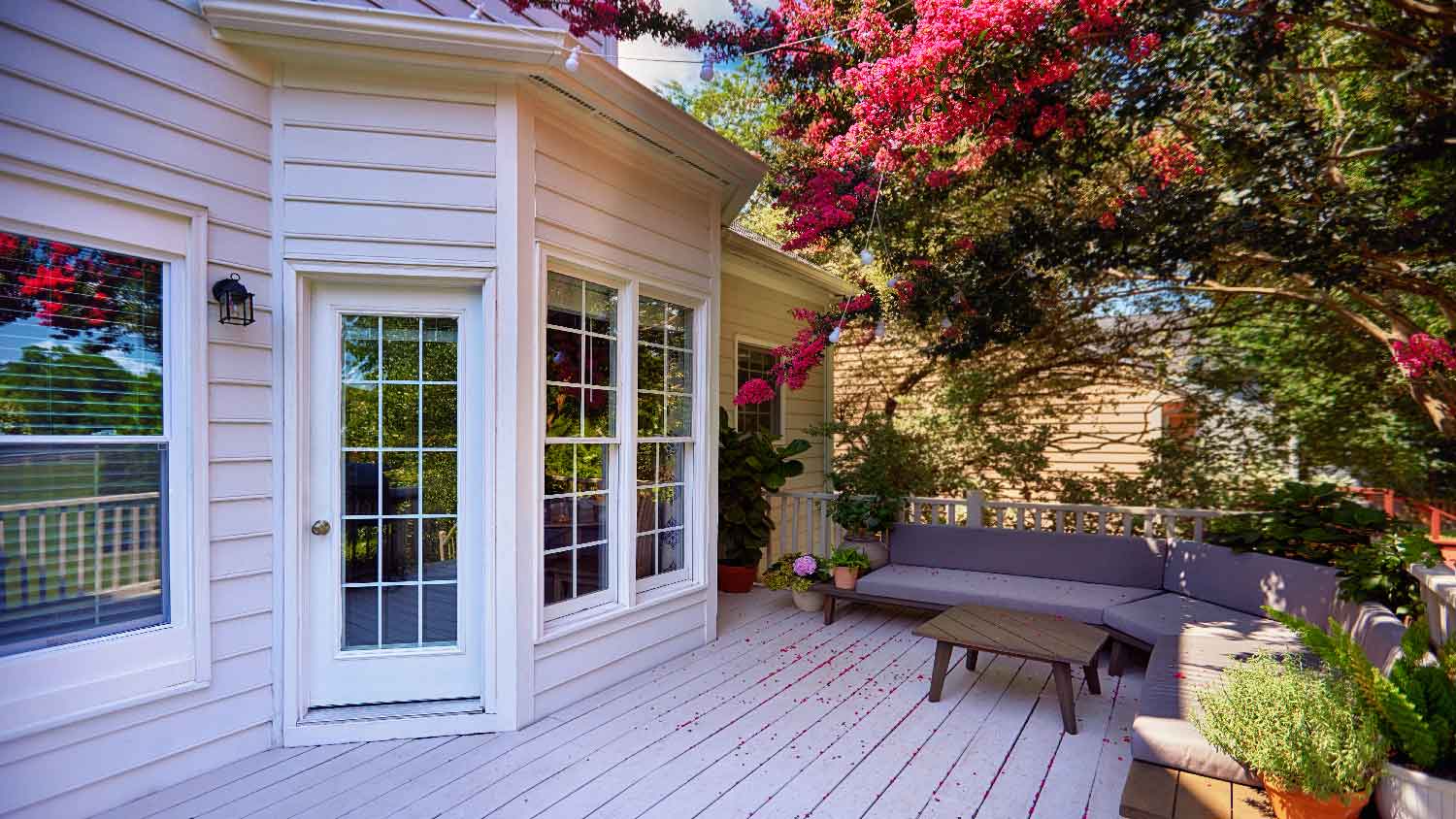
How much does engineered wood siding cost? You’ll spend anywhere from $4 to $13 per square foot, depending on a few different factors.
Siding service costs depend on your project and location. Check with a local pro for your specific job.

Wood siding installation costs between $7,000 and $23,000 for your home, with the specific wood species and grade you choose determining your final total.
Your home design affects labor costs, as dormers, eaves, and cupolas require more time to cover than simple exterior walls.
Set aside $1,150 to $5,000 for old siding removal, building permits, and wall repairs if contractors discover rot underneath.
Hiring a local siding professional ensures your wood siding is installed correctly and boosts home value with professional craftsmanship.
In 2026, the national average cost for wood siding installation is $12,500, including labor and materials. Most homeowners spend between $7,000 and $23,000, with final costs driven by the wood species and grade chosen, total square footage, and the complexity of your home's exterior. On the high end, costs can reach up to $57,500, depending on the scope of the project.
Square footage is the single most impactful cost driver for wood siding, with materials averaging $1 to $5 per square foot and labor adding $2 to $5 per square foot on top of that. Here's how wood siding cost costs compare by house size:
| House Size (Square Feet) | Average Cost Range in 2026 |
|---|---|
| 1,500 | $4,740–15,800 |
| 2,000 | $5,250–15,800 |
| 2,500 | $7,500–23,000 |
| 3,000 | $9,000–26,000 |
| 3,500 | $10,500–30,000 |
Square footage will dictate both the material and labor prices of wood siding, making this the most impactful factor on the list. On average, wood siding materials range from $1 to $5 per square foot while labor adds between $2 and $5 per square foot.
There are, however, some outlier material prices in the bunch that can drive the per-square-foot cost pretty high. Highly sought-after and durable materials like cedar and redwood or hardwoods like ipe, and garapa, can reach up to $30 per square foot not including labor.

The wood species you choose affects both your upfront cost and your long-term maintenance burden, since some types resist moisture, pests, and rot far better than others. Costs vary widely by species, so understanding what each option offers helps you match your budget to your climate and maintenance tolerance.
Pine siding costs $1 to $5 per square foot, making it one of the most budget-friendly and widely available wood siding options. The upper end of that range reflects pressure-treated pine, which undergoes chemical processing to resist warping, rot, and insect damage.
Douglas fir siding costs $3 to $5 per square foot depending on the cut, and its wide availability across the country keeps sourcing straightforward. The wood comes in long boards that simplify installation, which can help keep labor time and costs in check.
Cedar siding costs $3 to $30 per square foot, placing it among the pricier wood options, but it remains one of the most popular choices because it stains well, resists pests, and holds up reliably against moisture.
Tropical hardwood siding costs $5 to $20 per square foot, with popular varieties including ipe, teak, garapa, and cumaru. These species are prized for their striking appearance and exceptional durability, though their higher price reflects both material quality and the specialized installation they often require.
Cypress siding costs $5 to $12 per square foot and is one of the most durable wood siding options available, naturally resisting moisture, rot, pests, and fungus. Homeowners in the Southeast may find lower prices since cypress grows abundantly in that region, making it easier to source locally.
Redwood siding costs $4 to $20 per square foot depending on your location, with homeowners in the West typically paying less due to the wood's regional abundance. Despite its higher price point, redwood naturally resists insects, rot, and moisture damage, making it a strong long-term investment for the right climate.
Labor for a wood siding project typically accounts for 20% to 50% of the total project cost, covering far more than just nailing boards to your walls. Your contractor handles planning, permit acquisition, sub-contractor coordination, demolition, waste disposal, and any unexpected issues that arise during the job. That full-service scope is what justifies the labor share of your budget and protects you from costly surprises mid-project.
Beyond wood species and square footage, several project-specific variables can meaningfully shift your final cost, depending on your home's condition, design, and location.
The siding style you choose affects both material and labor costs, with simpler profiles like Dutch lap, clapboard, and board and batten running $1 to $12 per square foot for materials and $1 to $3 per square foot for labor. More complex installations such as wood shingles and log siding cost $5 to $20 per square foot for materials and $1 to $6 per square foot for labor, reflecting the additional time required to layer and fasten them correctly.
| Siding Style | Cost Per Sq. Ft. (Materials and Labor) in 2026 |
|---|---|
| Board and Batten | $5–$14 |
| Tongue and Groove | $7–$20 |
| Shingle | $7.50–$21 |
| Shiplap | $8.50–$21 |
| Shake | $8.50–$23 |
| Log | $9–$25 |
Wood grade directly affects both the appearance and durability of your siding, with national lumber associations setting strict standards that categorize each board's defects, treatments, and longevity. Premium- and mid-grade woods are typically kiln-dried for added stability, while low-grade options are more prone to knots, swelling, cracking, and warping. Costs vary significantly by grade, as shown in the breakdown below.
| Grade | Cost Per Square Foot in 2026 |
|---|---|
| Low | $1–$3 |
| Mid | $2–$12 |
| Premium | $3–$30 |
Your home's design and site accessibility can raise labor costs when installers must work around complex architectural features. Dormers, low-hanging eaves, and cupolas take more time to cover than flat exterior walls, and obstacles like trees, neighboring structures, or steep terrain can extend the project further.
Most large siding projects require a building permit, whether you're replacing existing siding or hiring a general contractor for new construction. The price of permits varies by locality, but budget $150 to $2,000 for major construction permits.
If you're residing in your home, plan for removal costs before new siding can go up. Contractors typically charge $1,000 to $3,000 to strip old siding, or roughly $0.25 to $0.75 per square foot.
Removing old siding sometimes reveals hidden damage such as holes, cracks, or rot that must be addressed before new siding goes on. Wall repair labor runs $50 to $70 per hour depending on the underlying material, while repairing siding costs range from $2 to $50 per square foot overall, with wood siding repair typically falling between $4 and $13 per square foot.

Finishing your wood siding with paint or stain adds $1 to $3 per square foot, or $700 to $3,000 on average, per the cost of painting the exterior of a house. This step is essential for protecting wood from moisture and UV damage, so it should be factored into your total budget from the start.
A moisture barrier, also called house wrap, is a protective layer of wood, polyurethane, or tar paper installed beneath your siding to block unwanted moisture from reaching the wall assembly. The cost varies based on where and how extensively the contractor applies it, so budget $0.50 to $2 per square foot for this service.
Exterior wood trim gives your home a polished, finished appearance and is especially popular for homeowners pursuing a historical aesthetic. Combined materials and labor run $2 to $7 per linear foot for this add-on.
Soffit and fascia boards protect the area around your eaves from moisture intrusion and add a clean, finished look to your roofline. Adding this service costs $3 to $8 per linear foot on top of your wood siding installation.
This isn't a beginner-friendly project—and to pull it off, you'll need to feel comfortable working with power tools, taking exact measurements, and working on a ladder. Because of this, we recommend hiring a local siding contractor for the job.
Installing wood siding is better left to the pros for several reasons, including:
Professionals will bring the right tools and supplies for the job, including saws, nail guns, and scaffolding.
Pros have the right personal protection equipment (PPE) and know the safest ways to use power tools, work at heights, and handle raw wood to avoid splinters.
They also understand the best techniques for removing old siding and replacing it with fresh, new siding that complements the rest of your house.
DIY mistakes can result in air leaks, water damage, and costly repairs.
Reliable siding companies have insurance and provide warranties on their work.
Experts can finish installing wood siding faster than the average homeowner.
Even if you hire a pro to install wood siding, there are several ways you can participate in the project, including:
Leaving space in your driveway or in front of your house for a dumpster to dispose of old siding
Removing any items—like outdoor furniture, lawn tools, or firewood—from the work site
Ensuring there's a clear pathway for pros to transport materials and equipment from their vehicle to the project area
Trimming overhanging trees and cutting grass around the installation site
The option to repair your existing wood siding instead of replacing it is often a possibility. There are several factors to consider when deciding to repair or replace it.
From a cost standpoint, the price of repairing wood siding averages $9.50 per square foot but can be as high as $30 per foot, versus between $3 and $10 to replace it. However, the repair costs are highly dependent on the condition of the existing siding. While the average cost to replace wood siding can be less per square foot than repairing it, replacement means replacing all of the siding versus just the portions that require repairs.
When replacing your wood siding, you'll have more options than if you choose to repair it. Replacing it can add a whole new look and style to your home while repairing it can update its appearance, but it won't significantly change the overall style.
You don't have to give up your dream of wood siding just because it's a bit more costly than vinyl or fiber cement. Here are the best ways to cut costs when opting for wood siding:
Choose a low-cost wood variety such as pine, douglas fir, or a wood native to your region.
Opt for low- or mid-grade wood if you live in an area that isn't prone to harsh weather.
Remove the old siding yourself.
Keep your schedule flexible to increase your chances of finding better siding prices.
Speak with at least three local siding contractors to compare estimates and reviews.
Schedule your siding project off-season and book your contractor far in advance.
The average return on investment (ROI) for installing new siding can reach 80%. However, that number depends on market trends in your location. The ROI is often less impressive in places where wood siding maintenance can be an issue, such as coastal and excessively humid locations.
Homebuyers in most locations will often spend more when purchasing a home with new siding. New siding not only adds value to your home but can also improve its selling and curb appeal, making it an attractive investment.
Prepare to discuss which type of wood—such as pine, cedar, or redwood—you’d like.
To help your pro estimate the scope of the project, be prepared to provide your home’s square footage and the number of stories.
Ask your pro if there’s anything you should do to prepare your property before their arrival.
Find out if your siding contractor will handle clean-up and disposal of the old materials (or if you’ll need to take care of that).
Home is the most important place on earth, which is why Angi has helped more than 150 million homeowners transform their houses into homes they adore. To help homeowners with their next project, Angi provides readers with the most accurate cost data and upholds strict editorial standards. We extensively research project costs to develop the pricing data you see, so you can make the best decisions for you and your home. We rely on reputable sources, including the U.S. Bureau of Labor Statistics, academic journals, market studies, and interviews with industry experts—all to ensure our prices reflect real-world projects.
Want to help us improve our cost data? Send us a recent project quote to [email protected]. Quotes and personal information will not be shared publicly.
The guys at PaveWay are top notch. From the estimate to the job being completed,all was done in a timely and professional manner. I myself was a DOT Engineer Inspector(know what to look for) and got to talking with Cameron and he himself was a Contract inspector for a few years,same job as...
 All Star Paving and Sealing
I highly recommend KTM construction! I will look no where else for anything that needs to be done, in or out side of our property. The level of craftsmanship is 5 star service across the board! The level of detail, knowledge and professionalism is 5 star service across the board! Ken is a...
 KTM Construction, LLC
I purchased the "Big Deal": $199.00 for exterior pressure-washing of one- or two-story home up to 2,000 square feet. They cleaned the siding only. I wasn't aware when I bought the Big Deal that they would not do any other surfaces other than the siding (i.e. sides of the gutters or stucco). I...
 Complete Home Services
This brownstone is historical and the carpentry work is very detailed. I was very happy to secure a company in NY and living in OH to complete the request. Wood work on this brownstone has been existing since approximately 1888 and West side did a GREAT JOB. I will not be able to...
 Westside Home Improvement
Nice group of workers, very friendly. Day 1 covered everything before starting, seemed very organized. Things seemed to be going great. Day 2 they didn't show up until around 10:00a.m. and work crew was cut in half, was told they had another job. Day 3 they didn't show up until around...
 CertaPro Painters of Columbus
The work went great! Couldn't ask for better. Joel set a work start date. About the time of the storms that may have been associated with Sandy. He was half a day late. They set up on a Thursday. On Friday they had a full crew at work. By Monday they were finishing up. Now, the best...
 NJW Construction
A few months ago, a tree branch fell across my car, leaving a series of dents across the hood and driver's side fender. I took it to Rife's after reading the Angie's List reviews. Rife's did a great job! My car looks like new. And they made the process as easy as possible. When I came in...
 Rife's Autobody Inc
I received an email from Angie's List offering Car Detailing 4 U's services for $99. Coming from Angie's List, I expected this to be a highly dependable and qualified company that was known for doing exceptional work. I set the appointment for them to come to my home. They were arrive at...
We first had Mark fix the back patio and liked his work so much we had him make a brick patio on the side of the house. When we decided to change our concrete walkway to brick, we wanted Mark to do the job because his prices were fair and he did such good work on t he other two projects.
 Mark Monnette Masonry
I was very pleased with the cost and end result. I truly expected this job to cost me 50% more than it did. When you factor quality and cost, I would highly recommend Mark's services and plan to use him in the future. The best part was, I asked Mark to match the paint color in one section...
 Fresh Touch Custom Painting Inc.
From average costs to expert advice, get all the answers you need to get your job done.
How much does engineered wood siding cost? You’ll spend anywhere from $4 to $13 per square foot, depending on a few different factors.

Wood siding repair costs depend on the size, material, repair type, and more. Keep reading to learn more about siding repair budgeting.
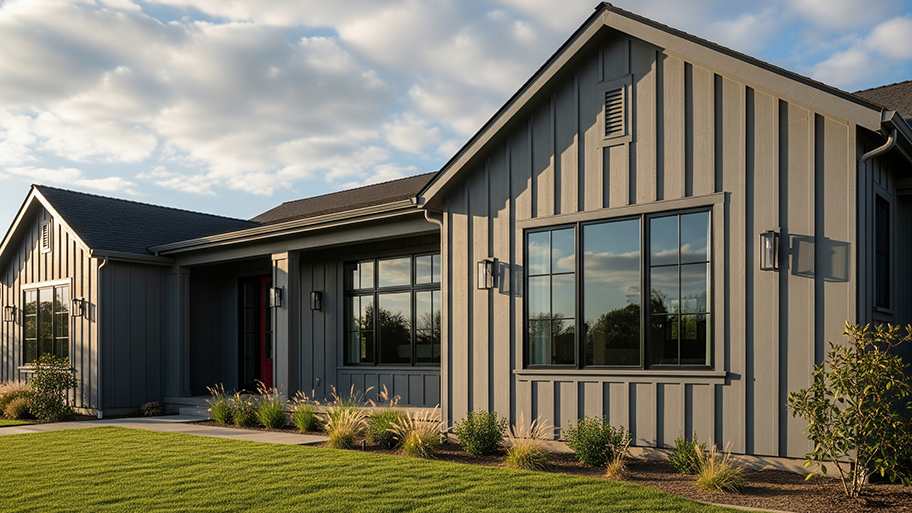
How much does board and batten siding cost? Our cost guide breaks down material and labor costs and offers tips to save money on your new siding.
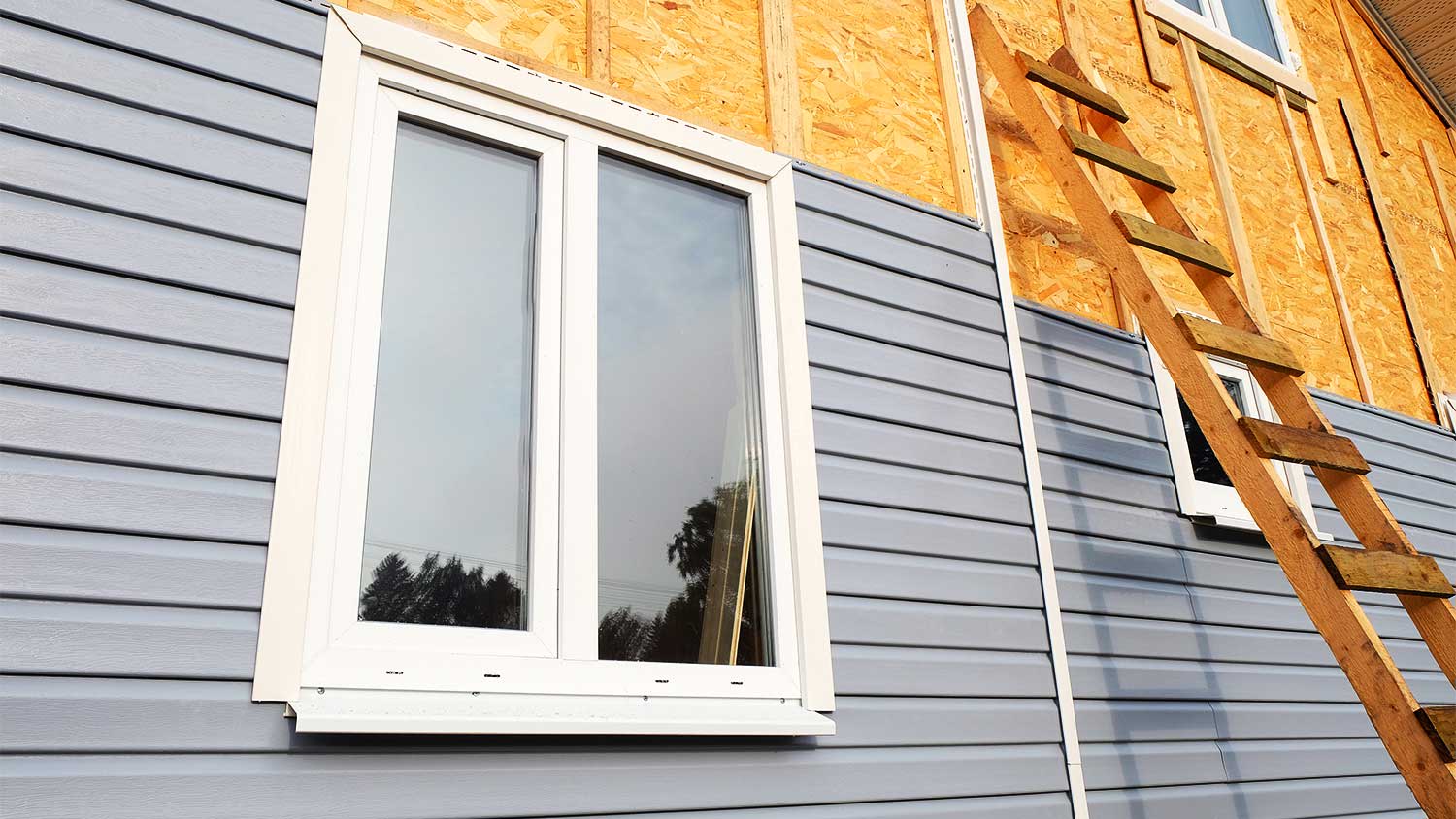
In this guide, we break down the strengths and weaknesses of the two most popular materials for home exteriors to help you choose the best one for your needs.
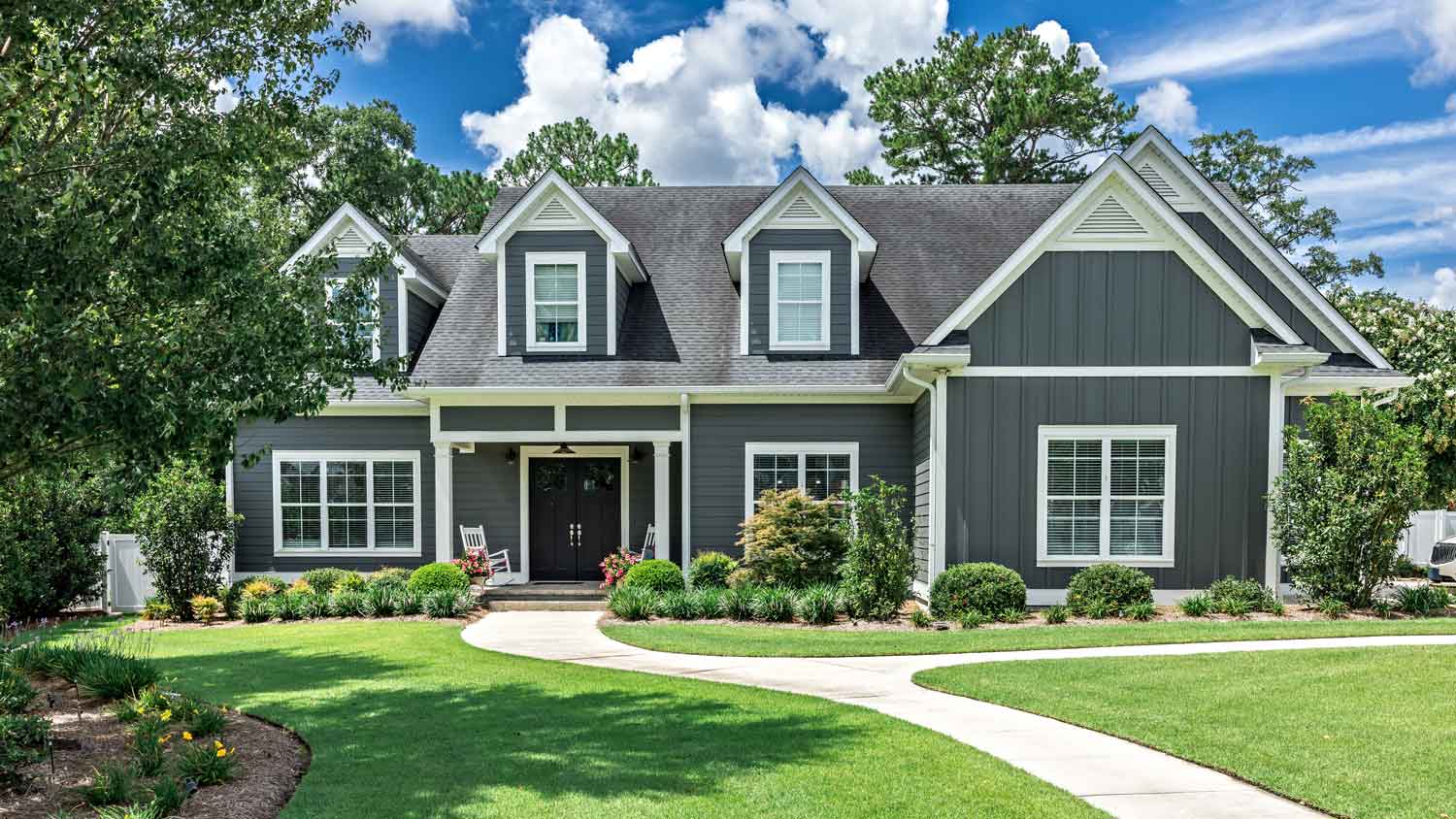
Understanding wood siding pros and cons will help you decide if this maintenance-heavy but timeless and versatile material is right for you and your home.
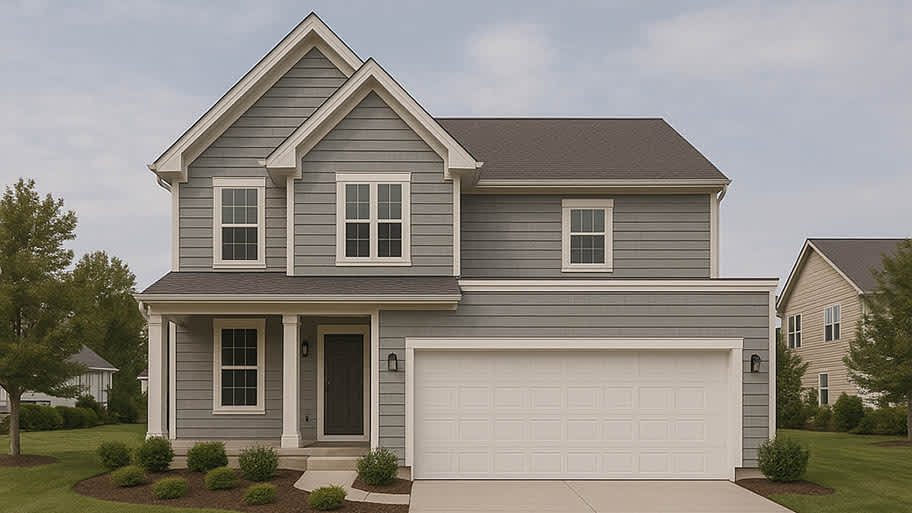
From clapboard to shiplap, there are tons of wood siding types for you to choose from. Here’s a run-down of the ten most popular types of wood siding.