


Top-rated tree service pros.

Get matched with top tree service pros in Wallace, ID

Enter your zip and get matched with up to 5 pros

Need a pro for your tree service project in Wallace, ID?

Select your specific project to find the pro for you.
Tree Service questions, answered by experts

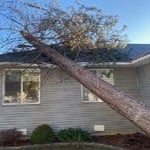
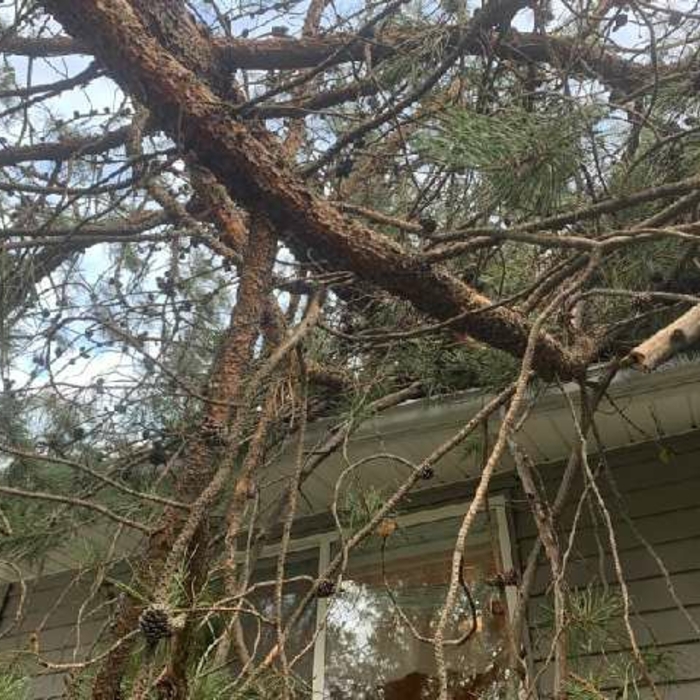
Once you confirm a tree is dead, you should remove it. Dead trees eventually fall, and larger trees in particular can cause damage to rooftops, fencing, flowers, and other objects. As we mentioned, letting decayed wood stay in your yard also invites risks to the surrounding landscaping and vegetation.

An unsafe tree can cause serious damage to your home and property, so tree inspections are important to ensure your home isn’t in danger from a nearby tree. Unhealthy trees can also be unsafe trees, as diseases and insect damage can compromise a tree’s stability, leading to potential damage and safety risks.

If your palm tree has spots on the leaves, rotting buds, or is beginning to turn yellow, then you have a sick tree on your hands. You should contact a palm tree specialist to identify the problem and help treat the tree if possible. Preventing diseases and pests is key to a healthy palm tree, and it's essential to take action as soon as possible if your tree is showing signs of being sick.

There are two types of arborists: certified and consulting. A certified arborist is licensed and equipped to provide tree pruning, planting, fertilizing, monitoring, transplanting, treatment, and removal services. A consulting arborist specializes in tree appraisals, diagnosing problems and recommending treatments for illnesses. However, they will not provide these services themselves. Most consulting arborists are certified arborists who can refer you to a tree service that can administer the correct treatments.

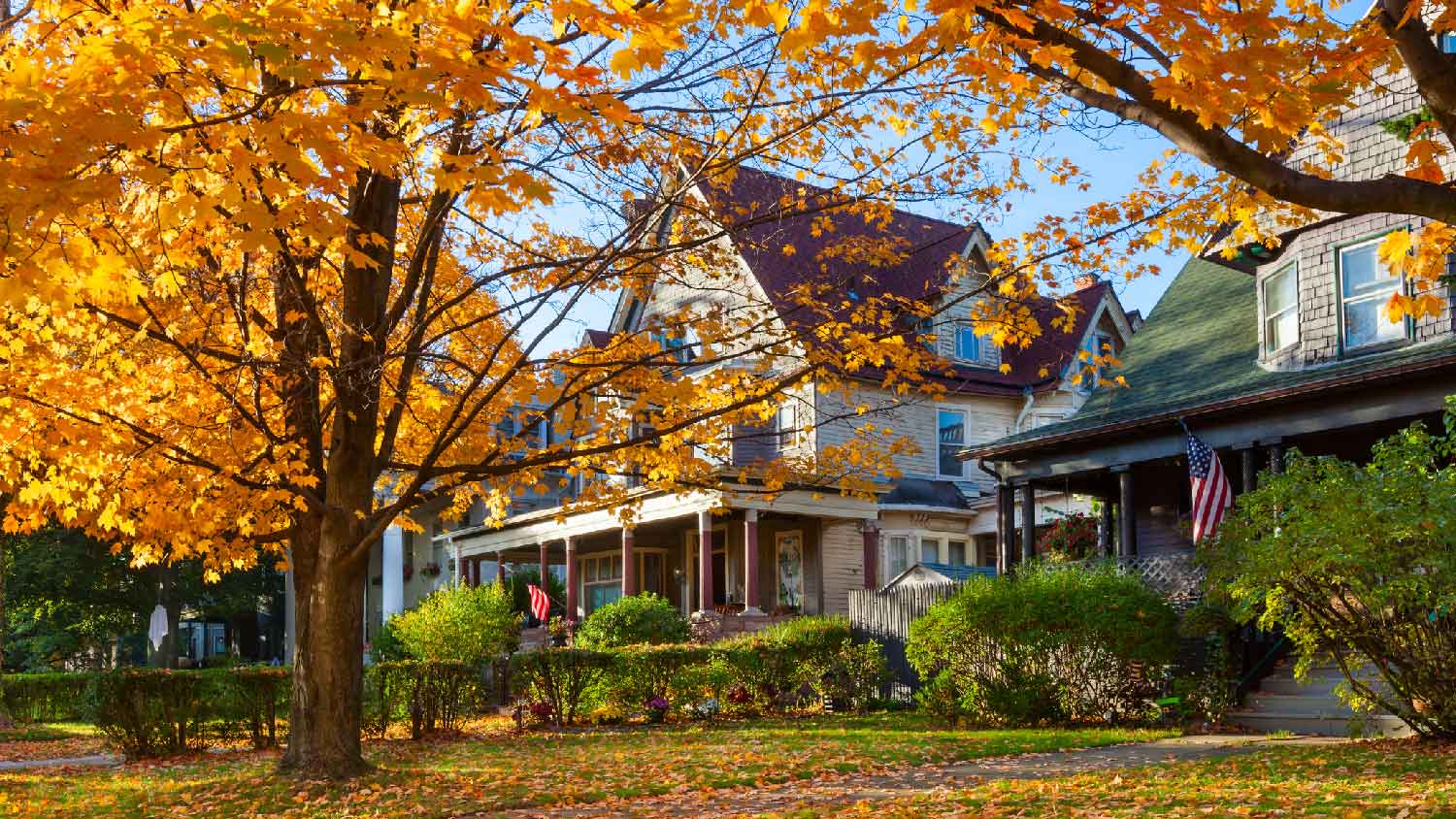
Maple trees start the growing season by developing small groups of red flowers where the tree's fruit, the samaras, will appear in the coming weeks. Later in spring, the samaras, which many call whirlybirds or similar names, develop into single-winged seed carriers that spin when falling or drifting in the wind.