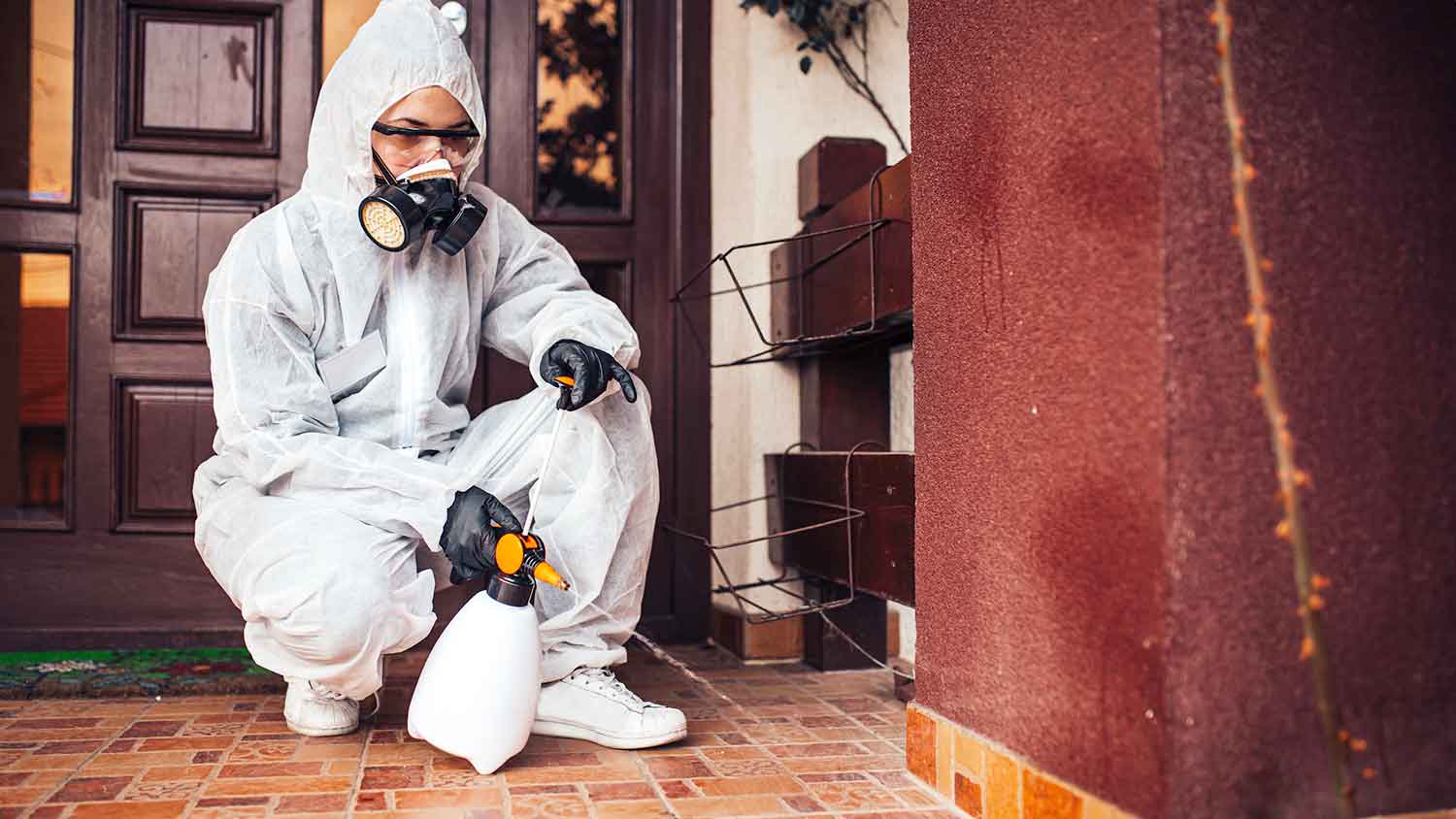


Top-rated pest control specialists.

Get matched with top pest control specialists in Riggins, ID

Enter your zip and get matched with up to 5 pros

Need a pro for your pest control project in Riggins, ID?

Select your specific project to find the pro for you.

Find Pest control specialists in Riggins

Pest Control questions, answered by experts

Yes, it’s safe to sleep in a house with termites. They don’t bite or spread disease and they aren’t likely to crawl on you or invade your personal space. However, termites can cause serious structural damage over time, which may compromise your home’s safety if left untreated. If you suspect an infestation, it’s best to schedule a professional inspection and treatment to prevent long-term risks to your property (not to mention your peace of mind).

False chinch bugs are generally smaller and somewhat paler than true chinch bugs, although they otherwise look similar. The name is a bit of a misnomer: They act very similarly and both feed on plants by sucking out their juices. However, chinch bug feeding tends to be very destructive to the plant, while strangely the false chinch bug does relatively little damage.

Aside from a warm, cozy place to curl up, you might wonder what attracts mice to your home. Several items attract mice, including: Birdseed Pet food Water Cereal and whole grains Food scraps from the composting bin Open trash cans High-fat and high-sugar foods Unused cars—they make great homes for chilly mice Insulation in the attic Clutter Brush from your yard, including leaves, sticks, wood, and shrubs (so mice can make nests) Overgrown trees or bushes—mice love to leap from branches onto the roof Indoor nesting materials, including cloth, paper, tissues, and toilet paper Tiny cracks in the siding or foundation

Unfortunately, we do. Bed bugs sense our heat signature, particularly the altered heat signature associated with sleep, and exit their hiding spots to feast.

Certain strong smells may help repel bats, though this is not a foolproof method and is best used in conjunction with other deterrence strategies. Scents like peppermint oil, eucalyptus, cinnamon, cloves, and mint are often suggested as natural remedies. To create a spray, you can mix two cups of warm water with half a cup of sugar and a few drops of your preferred essential oil. Apply this mixture using a spray bottle to possible entry points and throughout the affected area, such as an attic. While this home remedy is popular, evidence supporting its effectiveness is limited.

The Riggins, ID homeowners’ guide to pest control services

From average costs to expert advice, get all the answers you need to get your job done.