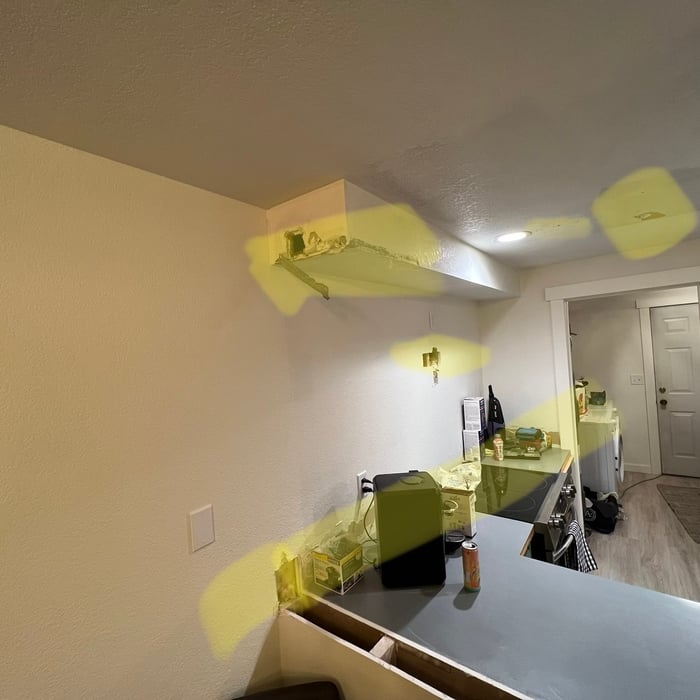




"This company has excellent work habits, respected my home and property, and was very easy to work with. I would recommend Hallberg Construction and would hire them again."
"Nathan and his team of installers did a wonderfull job installing carpet. I was deligted that they could do the job on short notice and also to do the job in Sun Valley. I would recommend Nw flooring for future clients, Sincerely, Sean Santa"
We've built an excellent reputation for customer satisfaction by providing quick estimates, a great attention to detail, and competitive pricing. \nBeing a screened and approved professional gives you the peace of mind you need to allow us to give your home the attention it deserves. Call us today and let's get started!\n
Over 30+ years of experience! It can be a daunting task looking for not only the right contractor for your job, but also the right contractor for you. We completely understand what you are going through. We know every customer has different desires, different needs, and different schedules. We are not only here to turn your ideas into reality, but to make it a memorable experience every step of the way. Call us right now, no matter where you are in the planning process.\nTrip charge on anything over 60+ miles.
Carpet Installation questions, answered by experts
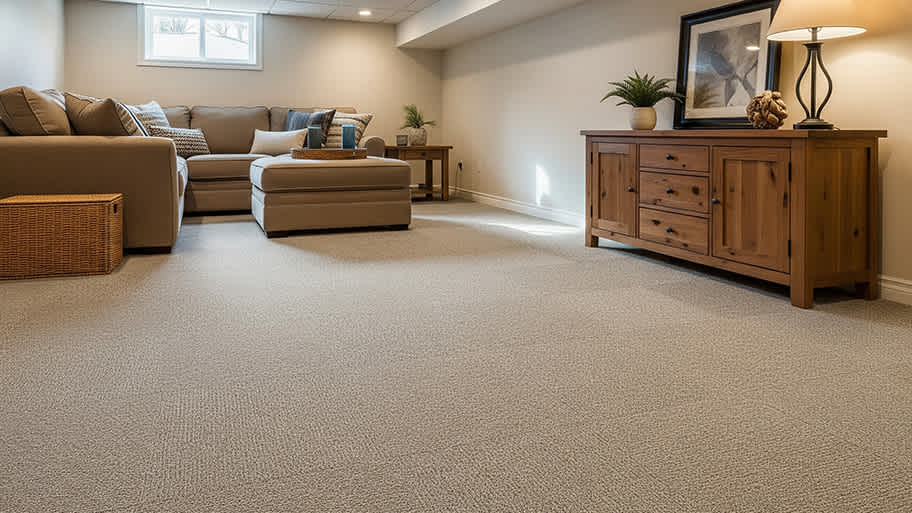
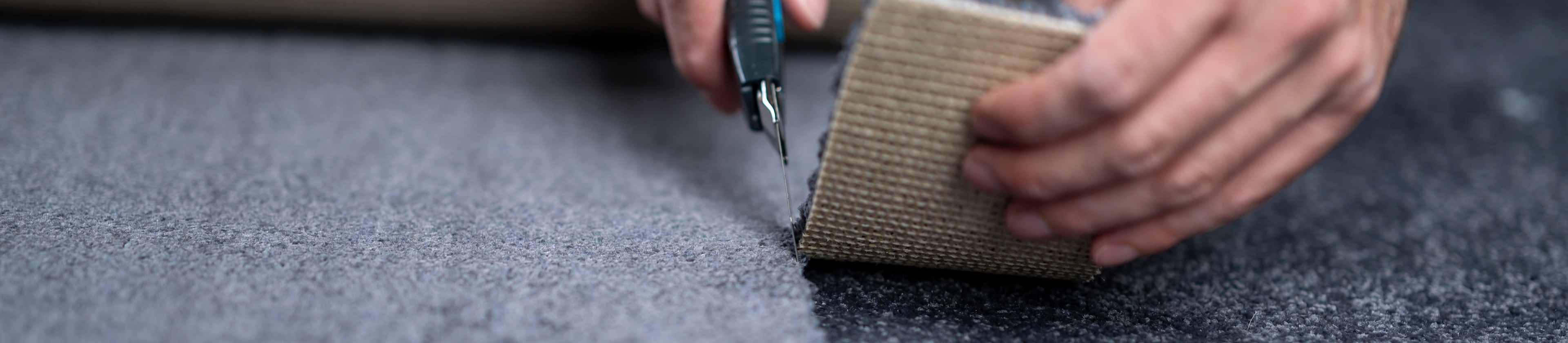
Carpet is most often affixed to the floor by tacks in tack strips rather than nailed or glued directly to the subfloor. The tack strips are nailed to wood subfloors. Even if you want to install carpet over concrete, you’ll adhere the tack strips to the concrete with masonry nails or a liquid adhesive.
No, thick carpet padding isn’t necessarily better than thinner padding. The appropriate padding thickness will depend on the type of carpet and the amount of foot traffic in the area.
For example, thick padding works well in low-traffic areas, like bedrooms, where you have soft and plush carpeting. However, thick carpet padding can damage low-pile carpet, which is used in the busiest parts of your home (like hallways and entryways). For that reason, it’s best to use thinner, heavier padding underneath carpet in high-traffic areas.
Nylon carpet is widely considered one of the most durable and longest-lasting options, typically lasting 12 to 15 years. Its durability comes from its high resistance to wear, tear, stains, fading, and abrasions. It also resists liquid spills, insects, mold, and mildew, making it ideal for high-traffic areas like living rooms and hallways. For even greater longevity, frieze or Berber carpets are excellent choices that can last up to 20 to 25 years.
Beyond the material, a carpet's construction is key to its durability. Low-pile carpets with short, tight loops hold up better against wear than high-pile options. As a synthetic material, nylon is available in a vast range of colors and styles and often feels remarkably soft.
Yes, carpeted stairs are generally considered safer than stairs with hard surfaces like wood, vinyl, or tile. Carpet provides more traction and friction, which helps reduce the chances of slips and falls. Additionally, if a fall does occur, carpet offers more cushioning, which can lessen the severity of an injury. While hard surfaces can look great, they are often more slippery. However, it's worth noting that some carpets, especially if they are new, dirty, or have a slick texture, can also pose a slipping hazard. To improve safety on any type of stair surface, you can add traction treads to increase grip.
If you have a concrete subfloor, you must secure the carpet padding with adhesive or glue. However, if you have a wooden subfloor, use staples instead. Removing a glued-down carpet can be difficult and time-consuming, so it’s best to avoid glue when possible.
The Mccall, ID homeowners’ guide to carpet installation
From average costs to expert advice, get all the answers you need to get your job done.
Not only are carpet tiles easier to install than carpet, but they’re often more affordable. So, how much does carpet tile installation cost? Let’s take a look.