






Top-rated energy efficiency auditors.

Get matched with top energy efficiency auditors in Marsing, ID

Enter your zip and get matched with up to 5 pros

Need a pro for your energy efficiency auditing project in Marsing, ID?

Select your specific project to find the pro for you.

Find Energy efficiency auditors in Marsing

Avatar for Idahome Retrofit LLC
Idahome Retrofit LLC
5.0(
3
)
Home Energy Audit

Serving Marsing, ID and surrounding areas

In business since 2022

Free estimates

Credit card accepted

"First and foremost friendly & professional staffâ ¦ very informative & transparent. Got the job done quickly and efficiently. Overall loved this companies clear communication on pricing and provided great work and awesome recommendations to make my home more energy efficient. Recommended this to near by neighbors and friendsâ ¦"
Idahome Retrofit
Response time2 days
Recommended by100%of homeowners
Energy Efficiency Auditing questions, answered by experts

Audits include inspecting insulation, HVAC systems, windows, and appliances to identify energy inefficiencies.

A home energy audit costs about $420 on average, with prices ranging from $100 to $2,250 or more. The final cost depends on factors like your home's size, location, the thoroughness of the audit, and the specific tests performed. A basic Level 1 walk-through inspection typically costs between $150 and $200, while a comprehensive Level 3 audit with detailed testing and a report costs around $900. Homeowners may be able to use the 2022 Inflation Reduction Act’s Energy Efficient Home Improvement credit to cover up to $150 of the audit cost.

Costs for common individual tests include:

  • Blower door test: $350

  • Duct testing: $100

  • HERS test: $375

  • HERS certification: $200

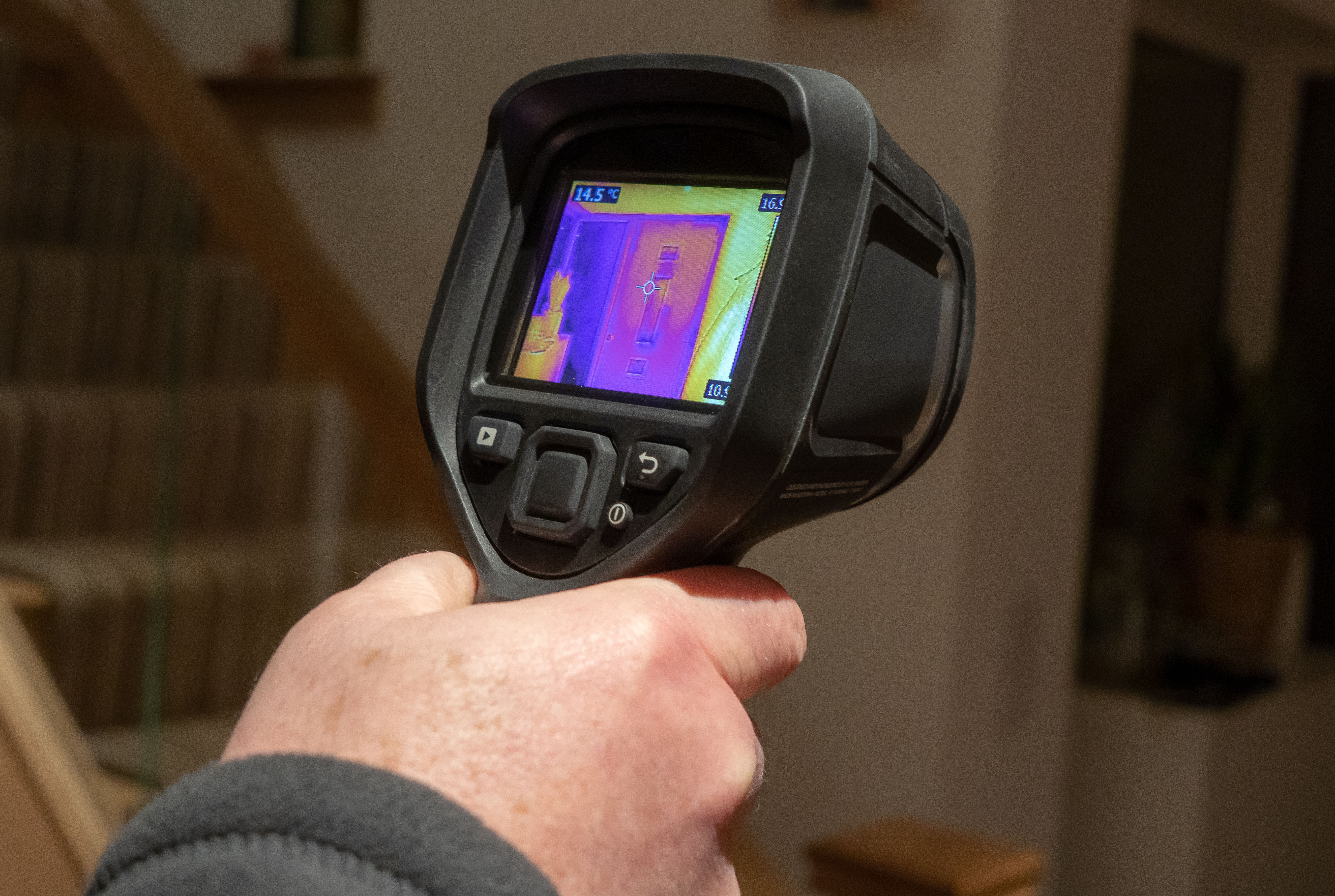
  • Infrared imaging: $200

To determine the right size generator for your house, you should calculate the total wattage of the appliances and devices you want to power during an outage. List all essential items, note their start-up wattages, and add them together.

Here are some typical wattage requirements for common appliances:

  • Refrigerator: 600 watts

  • Large dehumidifier: 700 watts

  • Large window air conditioner: 1,400 watts

  • Water heater: 3,000 to 4,500 watts

  • Electric furnace: 5,000 to 25,000 watts

A 7,500-watt generator might be sufficient for essentials like a refrigerator, freezer, well pump, and lighting circuits. However, for high-demand items like a water heater or furnace, a whole-home generator is a better choice. A portable generator may be enough if you only need to power a few critical items.

While home square footage can offer a rough estimate, it is not always a reliable indicator. For reference, here are some typical generator sizes based on square footage:

  • 1,000 sq ft: 6–9 kW

  • 1,500 sq ft: 7–10 kW

  • 2,000 sq ft: 10–14 kW

  • 2,500 sq ft: 12–16 kW

  • 3,000 sq ft: 16–20 kW+

For the most accurate sizing, consult a professional who can calculate your home's peak and average power consumption and recommend the optimal generator.

Yes, most audits include a report with prioritized recommendations for improving energy efficiency. Confirm with your auditor.

They’ll use more electricity than the average upright vacuum, but not remarkably more. Most power units plug into a standard 120-volt outlet and don’t have significant power demands. You shouldn’t notice an increase in electricity bills. If you have any specific questions about energy costs, ask your installer as you examine purchase decisions. Larger power units will need more electricity for their suction levels.

The Marsing, ID homeowners’ guide to energy efficiency auditing services

From average costs to expert advice, get all the answers you need to get your job done.