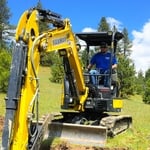
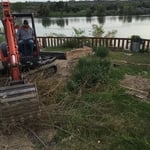
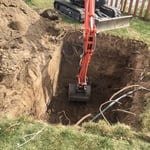
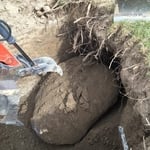
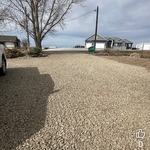
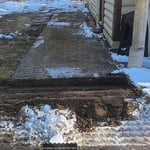
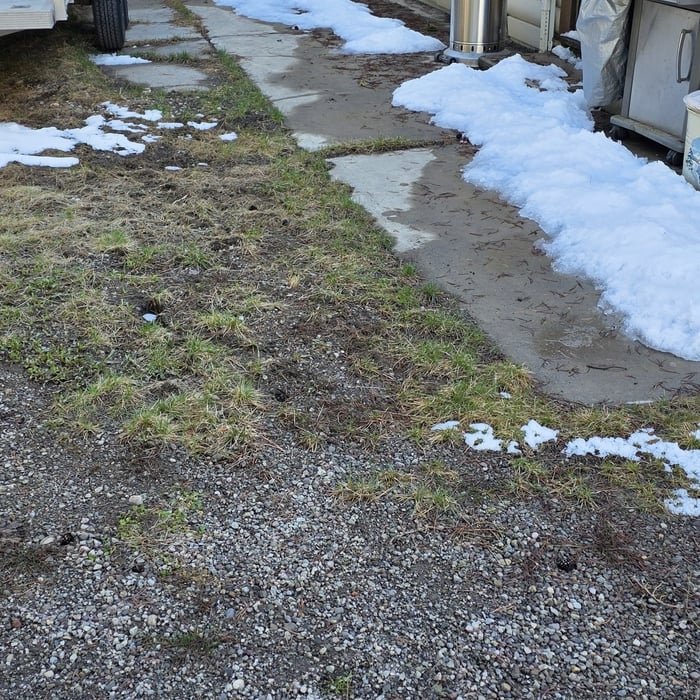
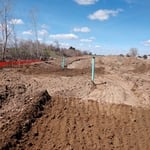
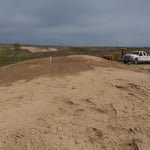
"We purchased a 12' X 24' Tuff Shed and needed to prepare a base for installation. We contacted TNG Excavation and they quoted a price and came out, removed the old shed pad, laid a border with 2 x 6 pressure treated timber and installed road mix then compacted it. I took pictures of the completed job and sent them to Tuff Shed. They were so impressed, that they now use the pictures as the poster model on how to properly prepare a site. Trevor was super easy to work with too and gave me a military discount. Nicole, the Office Manager was also a dream to work with."
All Weather Ground Solutions LLC is committed to excellence in every aspect of our business. We uphold a standard of integrity bound by fairness, honesty, and personal responsibility. Our distinction is the quality of service we bring to our customers. Accurate knowledge of our trade combined with ability is what makes us true professionals. Above all, we are watchful of our customers' interests, and make their concerns the basis of our business.
We do flat work, driveways, sidewalks, patios and foundation. We also do excavation work, site preparation, demolition, pond digging, ditch cleaning, new and old road construction
It takes one hour to dig a 10-foot trench by hand. Use a trenching shovel with a sharp tip and a long head. Plan for more time if your soil is heavy or rocky. Consider renting a trencher if you’re digging a long or deep trench or if you have challenging soil or terrain.
The easier way to find buried sprinkler lines is to use the plan from the professionals who installed the system. If you don’t have professional plans, listen for running water on your lawn when you turn on the system. You may also spot wet areas, giving you an idea of where the heads are. Once you find the sprinkler heads, you’ll likely be able to connect the dots between them, revealing the system below.
If you have a broken sprinkler pipe underground, there will be some signs you can easily spot to locate it and take action. These include leaks, water spouts, flooding, consistently damp areas on your lawn, low water pressure, and grass around the sprinkler head that’s taller and darker than anywhere else in the yard.
If there are no obvious signs of a broken pipe, you can use tools such as water leak mics, leak noise loggers, audio devices that record leaks, and acoustic testing links.
Broken pipes can lead to uneven watering, plant damage, and higher utility bills. The longer you wait to fix them the more the repair cost may be.
To drill a shallow well, you may be able to use a drive well point. This is a tapered point that is driven into the ground. A drill bit at the end of PVC pipe may be another option to consider. A lot of the cost depends on what tools are available near you.
A joint utility trench, or joint trench, is a long, buried ditch on a property that contains two or more utility lines rather than running the lines in multiple trenches. Some utilities, like gas and electric or electric and communication lines, are better suited to joint trenching, while others, like water and sewer, are not allowed to be in the same trench.
The Bruneau, ID homeowners’ guide to excavation services
From average costs to expert advice, get all the answers you need to get your job done.
Excavation costs $1,500 to $6,300 for most residential projects—but it depends on factors like the size of the area. This guide will help you plan a budget.
You can't have an in-ground pool without digging into the ground. How much does pool excavation cost, and can you take it on yourself? Our guide explains.