
Top-rated electricians.

Get matched with top electricians in Toddville, IA

Enter your zip and get matched with up to 5 pros

Need a pro for your electrical service project in Toddville, IA?

Select your specific project to find the pro for you.

TRUSTED BY TODDVILLE, IA HOMEOWNERS

  • Average homeowner rating star icon4.6
    Average homeowner rating
  • Verified reviews icon142
    Verified electrical services reviews

Find Electricians in Toddville

Avatar for WireOne, LLC
WireOne, LLC
4.3(
143
)
Electrical Switches, Outlets & Fixtures - Install or RepairElectrical Wiring or Panel UpgradeCeiling Fan - Install+13 more

Serving Toddville, IA and surrounding areas

Approved

In business since 2010

Free estimates

Credit card accepted

"Updated bathroom electrical during remodeling. They came the day after I called them for an estimate for 1 hour of work and completed it immediately. Also gave me an estimate for a household generator. I would hire them again."
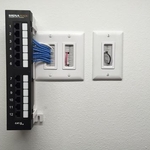
Cabling
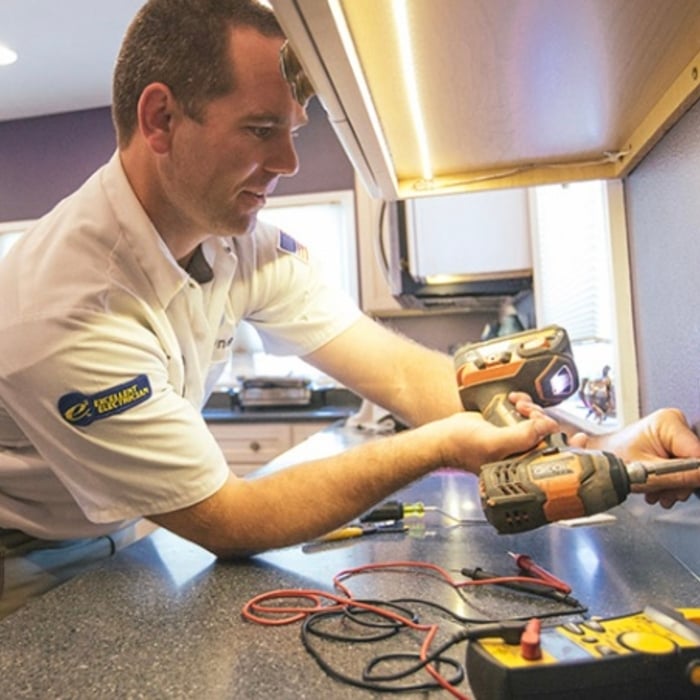
Under Cabinet Lighting
Exterior
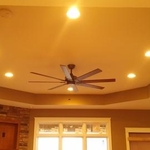
Can lights and Fan
Outlets

+5

81 neighbors recently requested a quote
Recommended by94%of homeowners

Element Electric, LLC
5.0(
7
)
Ceiling Fan - InstallElectric Vehicle Charging Station Installation - For Business - Materials Not ProvidedElectric Vehicle Charging Station Installation - For Business - Materials Provided by Consumer+10 more

Serving Toddville, IA and surrounding areas

In business since 2023

Free estimates

Emergency services offered

"I want to express my gratitude to Element Electric for their outstanding work on short notice. Their team demonstrated exceptional efficiency and professionalism, ensuring the job was completed on time without compromising quality. I would especially like to commend Mitch and Kenny for their superb workmanship and dedication. Their attention to detail and commitment to excellence were evident throughout the project. Thank you for a job well done!"
Response time7 hrs
Response rate98%
Recommended by100%of homeowners
...
Showing 1-10 of 67
Electrical questions, answered by experts

Yes, a water leak poses a major fire risk at your home because water is a conductor of electricity. Water that comes into contact with sparks or electrical wires can instantly ignite flammable materials. Additionally, any type of exposure to water can cause wires and other electrical components within your home to corrode. When assessing categories of water damage, it's important to know that even a small amount of moisture near wiring could cause sparks that lead to a fire.

When installing an outdoor outlet, it's important to proceed with caution. Unless you have the necessary training and licensure, it's not recommended to attempt this DIY. First, choose a suitable location. Make sure that the area can accommodate the outlet without overloading the circuit. You'll also need to ensure that your project complies with building codes. Next, turn off the power to the circuit, then install and wire the outlet according to the manufacturer's instructions. Once the outlet is in place, test it. Lastly, be sure to use a cover that will protect it from moisture and other weather-related damage.

If you plan to have a refrigerator or other appliances that require electricity, you will need an electrical outlet in your outdoor kitchen. Be sure to comply with all National Electrical Code® (NEC®) codes for electrical wiring and outlets in kitchens. If you do not plan to install a refrigerator or any other appliances that require electricity as part of your outdoor kitchen features, then you do not need to install electrical outlets. However, it is a good idea to install at least one electrical outlet should you decide to use any appliances that require electricity.

Yes, hot tubs can use a significant amount of electricity, primarily to keep the water heated. A typical hot tub uses between 1,500 and 6,000 watts, and the pump can add another 1,500 watts. This usage can result in a monthly cost of around $20 to $30. The exact amount of electricity consumed depends on several factors, including the hot tub's age, size, heater voltage (120V vs. 240V), usage habits, and thermostat setting. Newer, energy-efficient models generally use less power than older ones. To reduce electricity costs, consider investing in an energy-efficient model, using a quality insulated cover with a thermal blanket, and keeping the filters clean.

Electric water heaters use a high amount of electricity, so they’re best for homeowners who subsidize their electric bill with solar or who live in an area with inexpensive electricity. For others, gas water heaters versus electric water heaters may be the more cost-effective solution, with the added bonus of heating water quickly and efficiently. No matter which you choose, you can lower your water temperature as low as possible to keep costs down.

The Toddville, IA homeowners’ guide to electrical services

From average costs to expert advice, get all the answers you need to get your job done.