Top-rated electricians.

Get matched with top electricians in Alburnett, IA

Enter your zip and get matched with up to 5 pros

Need a pro for your electrical service project in Alburnett, IA?

Select your specific project to find the pro for you.

TRUSTED BY ALBURNETT, IA HOMEOWNERS

  • Average homeowner rating star icon4.7
    Average homeowner rating
  • Verified reviews icon141
    Verified electrical services reviews

Find Electricians in Alburnett

Avatar for WireOne, LLC
WireOne, LLC
4.3(
143
)
Electrical Switches, Outlets & Fixtures - Install or RepairElectrical Wiring or Panel UpgradeFixed Generator - Install+13 more

Serving Alburnett, IA and surrounding areas

Approved

In business since 2010

Free estimates

Credit card accepted

"Updated bathroom electrical during remodeling. They came the day after I called them for an estimate for 1 hour of work and completed it immediately. Also gave me an estimate for a household generator. I would hire them again."
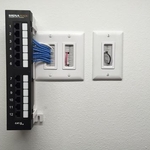
Cabling
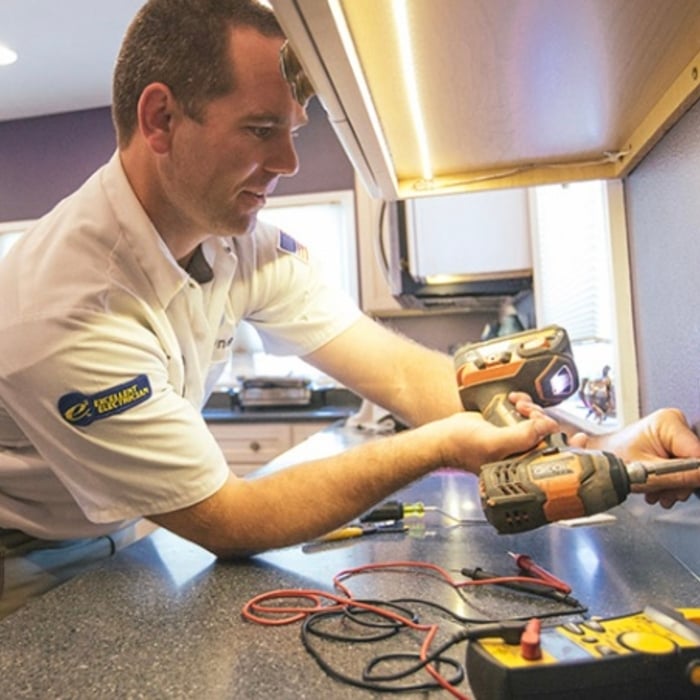
Under Cabinet Lighting
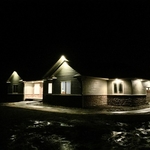
Exterior
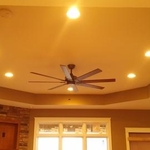
Can lights and Fan
Outlets

+5

62 neighbors recently requested a quote
Recommended by94%of homeowners
Element Electric, LLC
5.0(
7
)
Ceiling Fan - InstallElectric Vehicle Charging Station Installation - For Business - Materials Not ProvidedElectric Vehicle Charging Station Installation - For Business - Materials Provided by Consumer+10 more

Serving Alburnett, IA and surrounding areas

In business since 2023

Free estimates

Emergency services offered

"I want to express my gratitude to Element Electric for their outstanding work on short notice. Their team demonstrated exceptional efficiency and professionalism, ensuring the job was completed on time without compromising quality. I would especially like to commend Mitch and Kenny for their superb workmanship and dedication. Their attention to detail and commitment to excellence were evident throughout the project. Thank you for a job well done!"
Response time7 hrs
Response rate98%
Recommended by100%of homeowners
...
Showing 1-10 of 62
Electrical questions, answered by experts

If it’s called a USB outlet without any further designation, it likely refers to a USB-A port. These are the original USB connections and are commonly integrated within power outlets. In recent years, USB-A cables have slowly been usurped by faster and more reliable USB-C cables. USB-C connectors are small and ultra-thin with a reversible design, while USB-A connectors are slightly larger and bulkier.

The most common type of electrical outlet is a 3-prong outlet, which has two flat blades (one is wider than the other) and a round grounding pin. Older homes typically have 2-prong outlets that aren’t as safe as more modern options and are generally not up to current electrical codes.  Other outlets you can find in your home include 20A, 125 volt varieties for larger appliances like refrigerators or washing machines. 

There are also GFCI outlets, which protect against electrical shock in wet areas, such as bathrooms and kitchens, and arc fault circuit interrupter (AFCI) outlets, which protect against electrical fires caused by arcing.

Full home electrical inspections are mandatory if you’re buying a new home, but if you’re just looking for a safety checkup, you have some flexibility. If you don’t have any concerns and your property is relatively new, a basic inspection is usually sufficient. If it’s been a long time since your home was last inspected, or it’s an older home, a full home inspection can help catch any concerns that may fly under the radar.

Yes. You should always turn off the power to the work area before beginning, use a voltage tester to ensure it’s off, and wear protective gear, such as insulated gloves or safety glasses, to prevent risk of injury. Proper wiring and grounding techniques are also necessary to make sure the job is done right the first time and won’t harm any future homeowners. 

No, you should never plug a generator directly into a wall outlet in your house. This practice is extremely dangerous, often illegal, and can cause "back-feeding," where power from the generator flows back into utility lines, creating a life-threatening hazard for utility workers. It can also damage your home's electrical system, including appliances like pumps and HVAC fans. If the main power is restored while the generator is connected, it can destroy the generator and cause an electrical fire. To safely connect a generator, you must use a professionally installed transfer switch or an interlocking kit, which prevents back-feeding by disconnecting your home from the utility grid before the generator provides power.

The Alburnett, IA homeowners’ guide to electrical services

From average costs to expert advice, get all the answers you need to get your job done.