



Top-rated electricians.

Get matched with top electricians in Central City, IA

Enter your zip and get matched with up to 5 pros

Need a pro for your electrical service project in Central City, IA?

Select your specific project to find the pro for you.

TRUSTED BY CENTRAL CITY, IA HOMEOWNERS

  • Average homeowner rating star icon4.6
    Average homeowner rating
  • Verified reviews icon115
    Verified electrical services reviews

Find Electricians in Central City

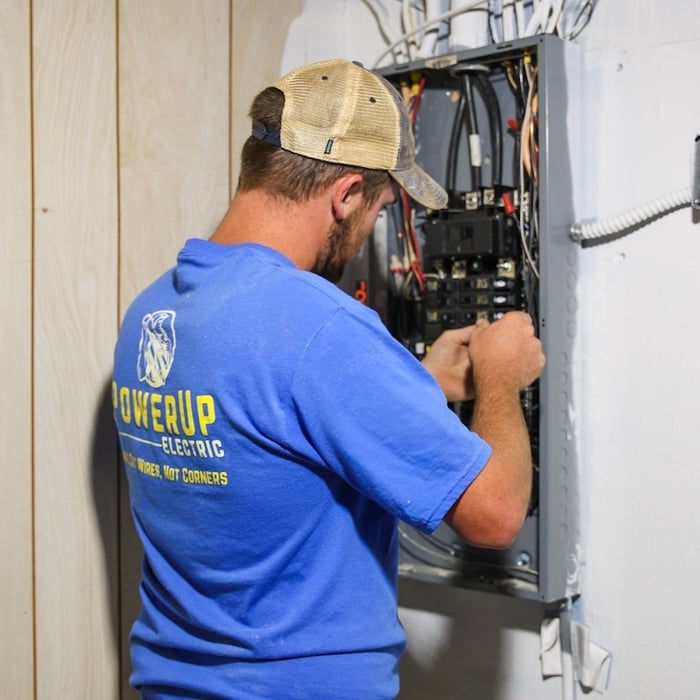
Avatar for PowerUp Electric
PowerUp Electric
4.6(
21
)
Fixed Generator - InstallPortable Generator - InstallElectrical Switches, Outlets & Fixtures - Install or Repair+4 more

Serving Central City, IA and surrounding areas

Approved

Super Service Award Winner

In business since 2024

Free estimates

Emergency services offered

"Did wiring for radon mitigation system and upgrades to protect against lightning strikes and power surges for electricity for my condo. Also wired gas meter to protect lines against lightning strikes. Andy was on time efficient and job was well done."
Generac Generator
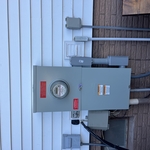
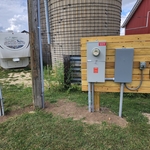
200 Amp Meter
6" Recessed Light
LED Can Lighting
Electrical Repair

+2

Response time1 day
Response rate89%
16 neighbors recently requested a quote
Avatar for First Call Appliance Repair
First Call Appliance Repair
5.0(
7
)
Appliance (Major Electric Appliance) - Install or Replace

Serving Central City, IA and surrounding areas

Approved

In business since 2019

Free estimates

Credit card accepted

"5-Star Review for First Call Appliance Repair I couldn’t be more impressed with my experience at First Call Appliance Repair. If you're looking for top-quality appliances at unbeatable prices, this is the place to go. I was initially hesitant about buying a scratch and dent item, but Derek walked me through everything with transparency and professionalism. Not only were the cosmetic imperfections barely noticeable, but the appliance itself works flawlessly—just like new. The staff were incredibly knowledgeable and helped me find the perfect fit for my home and budget. What has stood out the most, I had a problem with my washer and Derek had it fixed within 24 hours. Where else can you purchase or have repairs done other than First Call Appliance Repair? Highly recommend First Call Appliance Repair for anyone looking for value, honesty, and excellent service."
Response time10 hrs
1 neighbors recently requested a quote
...
Showing 1-10 of 59
Electrical questions, answered by experts

Unfortunately, a partial power outage without a tripped breaker often means you have a major wiring issue or that the breaker itself is going bad. When the power is out in one room but the breaker is not tripped, you need to call an electrician as soon as possible to identify the cause of the problem and repair it.

The National Fire Protection Association reports that almost half of reported electrical fires are caused by electrical distribution and lighting equipment. The main culprit behind these fires is often frayed, worn, or faulty wiring, particularly in closed-off and concealed areas like attics, where fires can start and burn undetected for long periods.

The most common type of electrical outlet is a 3-prong outlet, which has two flat blades (one is wider than the other) and a round grounding pin. Older homes typically have 2-prong outlets that aren’t as safe as more modern options and are generally not up to current electrical codes.  Other outlets you can find in your home include 20A, 125 volt varieties for larger appliances like refrigerators or washing machines. 

There are also GFCI outlets, which protect against electrical shock in wet areas, such as bathrooms and kitchens, and arc fault circuit interrupter (AFCI) outlets, which protect against electrical fires caused by arcing.

Although homeowners can turn off a breaker, it’s vital to follow safety precautions when doing so to prevent serious and potentially fatal injuries. For instance, you want to ensure there is no water on the floor when you touch the breaker and wear protective gear such as safety glasses. Anytime you deal with anything electrical, it’s always best to be as safe as possible.

The National Electric Code states that outlets should not be spaced more than 12 feet apart, and there should be an outlet placed every 6 feet at the floor line in areas designated as living spaces. Most homes in the United States have 75 outlets, but it will depend on the amount you need based on your home's size and your needs.

The Central City, IA homeowners’ guide to electrical services

From average costs to expert advice, get all the answers you need to get your job done.