




Top-rated roofers.

Get matched with top roofers in Templeton, IA

Enter your zip and get matched with up to 5 pros

Need a pro for your roofing project in Templeton, IA?

Select your specific project to find the pro for you.

TRUSTED BY TEMPLETON, IA HOMEOWNERS

  • Average homeowner rating star icon4.1
    Average homeowner rating
  • Verified reviews icon10
    Verified roofing services reviews

Find Roofers in Templeton

Avatar for Erie Home
Erie Home
4.4(
73
)
Asphalt Shingle Roofing - Install or Replace

Serving Templeton, IA and surrounding areas

Approved (Corporate)

In business since 1976

Free estimates

Credit card accepted

"Workers showed up on time. Big job installing tiles to waterproof our 110 year old house. We are very happy with the results. It was an expensive project but well worth the money"
Basement Projects
Basement Projects
Basement Projects
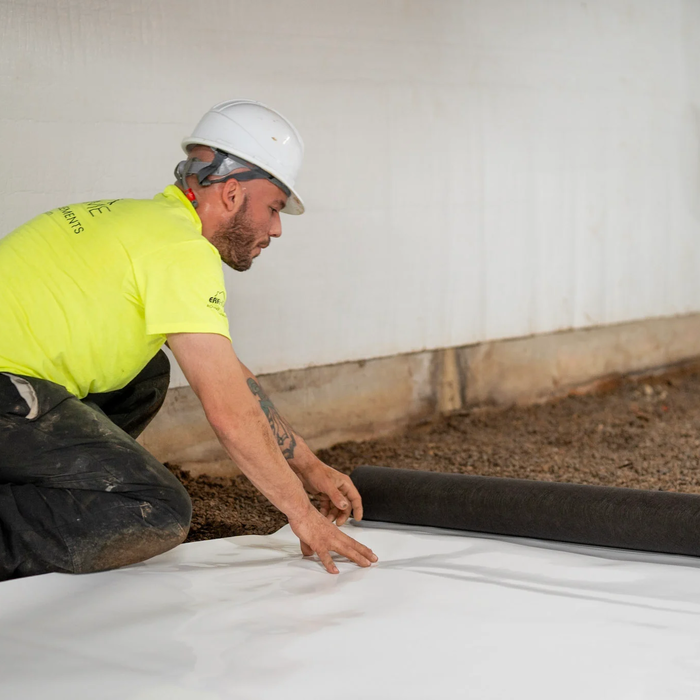
Basement Projects
Basement Projects

+25

10 neighbors recently requested a quote
Recommended by93%of homeowners
Ascended Constructions
New to Angi
Asphalt Shingle Roofing - Install or Replace

Serving Templeton, IA and surrounding areas

Approved (Corporate)

In business since 2023

Offers commercial services

We’re a family owned and operated company that values honesty and integrity, and stands behind our work. We offer over 40 years of industry experience. We specialize in Asphalt Shingle Roofing installation, replacement, and repairs. Our services are customized to the individual project, paying close attention to the details of each project that we're involved with. We look forward to building long-term relationships with our clients and guarantee your satisfaction!

1 neighbors recently requested a quote
...
Showing 1-10 of 78
Roofing questions, answered by experts

A roof's ability to handle snow depends on its strength and the snow's weight, as wet snow is much heavier than dry, fluffy snow. While designs in snowy regions often allow for 35 to 50 pounds per square foot, a general guideline is that a typical roof can withstand about four feet of fresh snow, two feet of packed snow, or just one inch of ice. Factors like the roof's age, slope, and support structure also affect its capacity; newer, sloped roofs generally hold more weight than older, flat ones. Ice and ice dams add significant, dangerous weight. Because capacity varies, it is best to contact a professional roofing contractor or the original builder to determine the maximum snow load for your specific home.

Yes, moss can be dangerous for your roof if left in place to grow without treatment. The moss soaks up and holds moisture. Having a constantly damp roof could lead to problems with rot for the parts of the roof that consist of wood. Additionally, a patch of thick moss may draw insects and birds, which could damage the roof. Thick moss could block the roof’s drainage system. Water then may back up after a rainstorm and cause further damage that could eventually lead to roof repair expenses or the cost of roof replacement.

Furring strips (also called wood stripping) are not always necessary for a metal roof installation, but they are highly recommended and may be required by local building codes or the roofing manufacturer's specifications. There are several key reasons to use them:

  • Energy Efficiency: Furring strips, made of wood or metal, create an air gap between the metal panels and the roof deck. This acts as a thermal break, reducing heat transfer into your home and improving overall energy efficiency.

  • Moisture and Condensation Control: The air gap allows for better airflow, which helps prevent moisture buildup and condensation under the metal panels.

  • Structural Support: They provide a solid, even frame to which you can attach the metal roofing panels.

It is especially important to use furring strips when installing a metal roof over existing shingles. Without them, the roof surface can be uneven, and you will experience greater solar heat gain.

The placement of snow guards depends on the individual roof, but typically snow guards are placed between 12 and 18 inches from the eaves, though they can be placed as close as six inches and as far as 24 inches from the eaves. A roofing professional can assess the roof and potential snow loads to determine the best placement.

There is a weight limit for walking on a roof, but it’s determined by your roof structure and not the roofing material, at least in the case of a metal roof. Consider that entire teams of roofers will be on top of your home during the installation, so the weight of a single person won’t compromise your roof. That isn’t the case for something like a tile roof, so a high weight limit is one benefit of a metal roof.

The Templeton, IA homeowners’ guide to roofing services

From average costs to expert advice, get all the answers you need to get your job done.