





Top-rated ceramic tile pros.

Get matched with top ceramic tile pros in Slater, IA

Enter your zip and get matched with up to 5 pros

Need a pro for your ceramic tile service project in Slater, IA?

Select your specific project to find the pro for you.

TRUSTED BY SLATER, IA HOMEOWNERS

  • Average homeowner rating star icon4.4
    Average homeowner rating
  • Verified reviews icon14
    Verified ceramic tile services reviews

Find Ceramic tile pros in Slater

...
Showing 1-10 of 82
Ceramic Tile questions, answered by experts

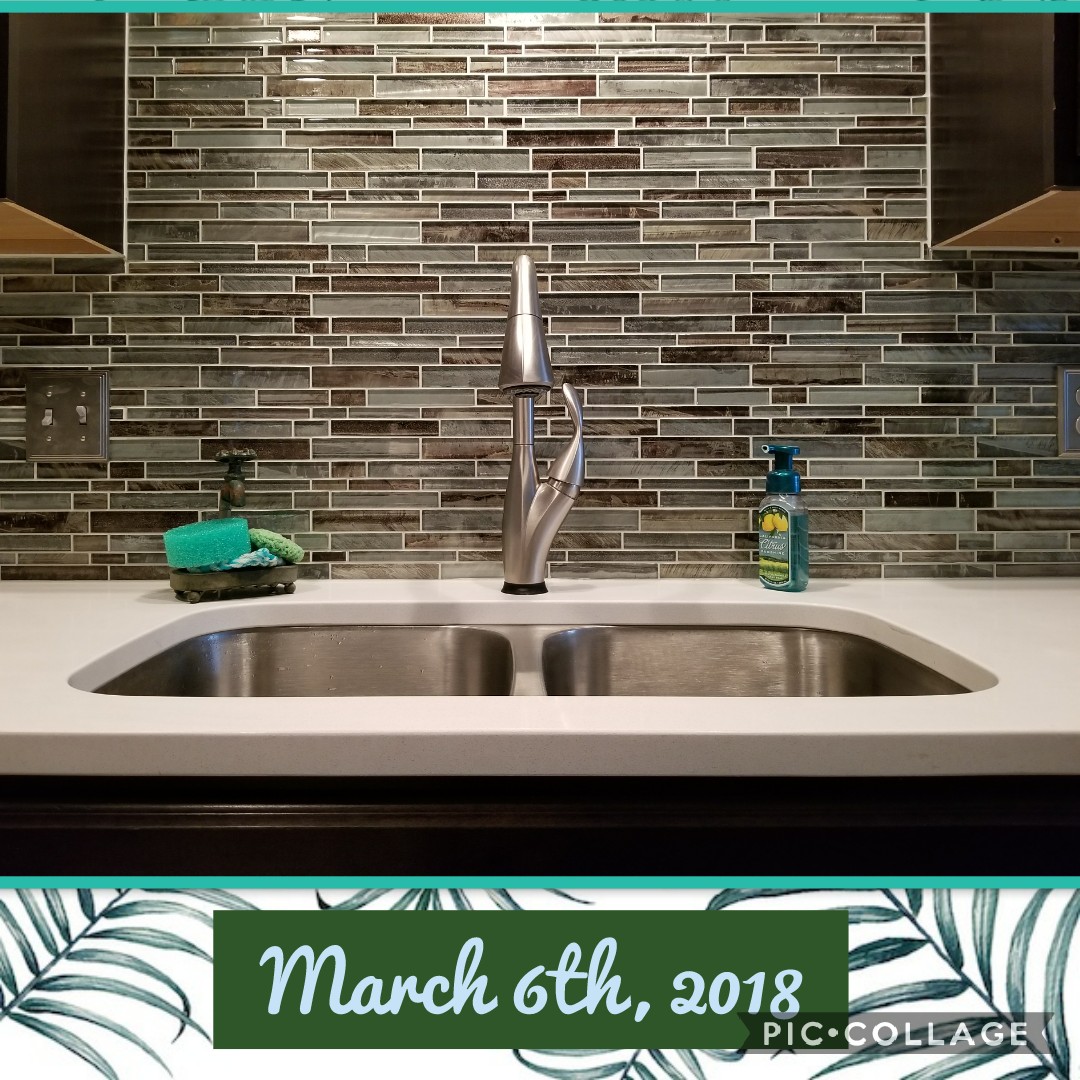
Figure out how much tile you need by measuring the backsplash area. Measure the height and length in feet and multiply to get the square footage. Don’t make adjustments for outlets or small cutouts but subtract the square footage for windows or other large obstructions from the total. To account for waste, get 10% more than your calculation.

You can attach tiles to a wall using thin-set mortar. You’ll also need a notched trowel to create grooves within the adhesive so it flattens completely when pressed in and securely holds the wall tiles. Finally, you’ll need grout to smooth the gaps between the tiles and, ideally, a grout sealer to prevent mold. While it sounds simple enough, proper planning and execution are crucial, so carefully review the steps in this guide or hire a pro tile installer to complete this project.

You can let the tile sit without grout. Don’t panic if there’s a delay between installing the tiles and grouting. A substantial stoppage isn't a problem, provided you keep the tile surface clear of dust and debris. Also, avoid walking over less stable ungrouted floor tiles as they are more prone to premature cracking and shifting. 

No, you don’t technically need a cement backer board for a wall tiling project, but not using it risks disastrous moisture damage. Cement is naturally water-resistant, whereas drywall soaks it in, which can lead to warping or mold growth. Always use a backer board treated with a waterproof membrane for bathrooms and other chronically damp areas to ensure complete tile shower waterproofing.

Grout and caulk are commonly used together, especially in bathrooms. Grout goes between the tiles and keeps them sturdy and in place on the walls or floor. Caulk goes in corners or where two different materials meet (like where the bathtub meets the tile) to create a waterproof seal. However, they are not interchangeable—you shouldn't use caulk to adhere tile and shouldn’t use mortar if you need a waterproof seal.

The Slater, IA homeowners’ guide to ceramic tile services

From average costs to expert advice, get all the answers you need to get your job done.