






Top-rated ceramic tile pros.

Get matched with top ceramic tile pros in Cambridge, IA

Enter your zip and get matched with up to 5 pros

Need a pro for your ceramic tile service project in Cambridge, IA?

Select your specific project to find the pro for you.

Find Ceramic tile pros in Cambridge

Avatar for Carpet Pro Cleaning & Restoration
Carpet Pro Cleaning & Restoration
5.0(
5
)

Serving Cambridge, IA and surrounding areas

In business since 1989

Free estimates

Emergency services offered

"I had a dog that recently passed away and toward the end of his life he was having a tough time controlling his urine.  After my dog passed, I called Carpet Pro and they came out the next day and not only did they get rid of the urine smell, Kurt cleaned my couch and all the hair!  I would HIGHLY recommend Carpet Pro for all your carpet cleaning needs!"
Additional Photos
Additional Photos
Additional Photos
Additional Photos
Additional Photos

+1

Recommended by100%of homeowners
...
Showing 1-10 of 75
Ceramic Tile questions, answered by experts

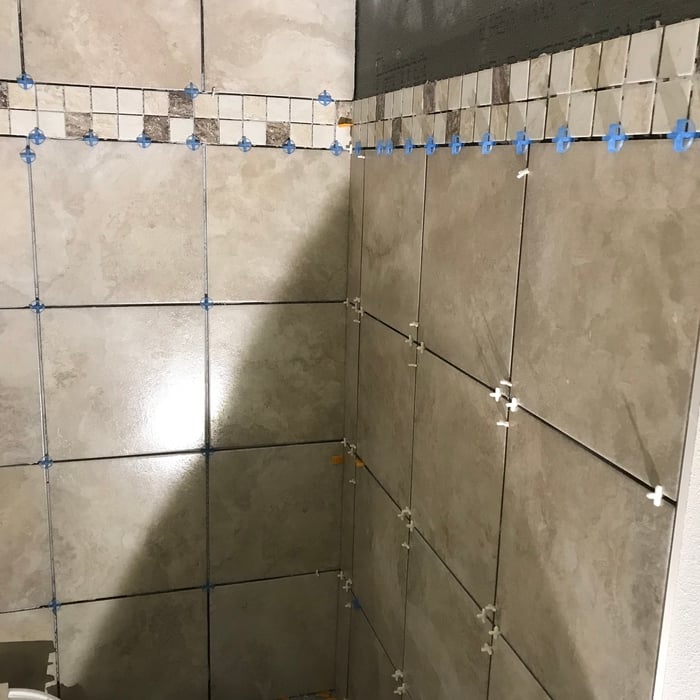
The tile spacing you should use will depend on the tile and where you’re installing it. Choosing the right tile spacers to maintain a consistent gap between your tiles is tricky. Generally, tile spacing shouldn’t be less than 2 millimeters on walls and 3 millimeters on floors because of stress relief requirements. Getting it wrong can result in uneven tiles and early repairs.

Installing kitchen countertop tiles on a mold and moisture-resistant cement backer board is one of the best options. When fitted correctly on top of a plywood base, it’s stable and long-lasting. Old-fashioned cement board is economical, cuts neatly and easily with a circular or jigsaw, and screws into plywood without any difficulty.

When choosing between porcelain and ceramic tile, the best option depends on your specific needs, budget, and project application. Porcelain tile is generally more durable, denser, and harder than ceramic, making it a good choice for busy, high-traffic areas. It also offers superior moisture resistance, making it ideal for moisture-retaining spaces. However, porcelain is typically more expensive, and its hardness can make it brittle, potentially causing it to crack if a heavy object is dropped on it. In contrast, ceramic tile is a more budget-friendly option with lower material and installation costs. It is softer and easier to work with, making it a great choice for DIY projects. While not as durable as porcelain, ceramic is still a quality material suitable for many home applications, particularly small, decorative projects.

On average, tiling a shower costs between $1,800 and $5,000, with most people paying around $2,700. The price of this project depends on multiple factors, including the kind of tile you choose, the size of your shower, and labor rates in your area. If you decide to tile your own shower (instead of hiring a professional), it’ll likely cost $800 to $1,400.

The process takes two to four days, depending on the size of the area and your experience level. The first day involves assessing and prepping the existing tile, while the second day is for laying the new tile. This may take longer in complex areas. After letting the adhesive dry for 24 hours, grouting and sealing can be completed on day three. For larger projects or intricate tile patterns, expect the timeline to stretch a bit longer. Also, proper drying time between steps is essential for long-lasting results, which extends the project’s time.

The Cambridge, IA homeowners’ guide to ceramic tile services

From average costs to expert advice, get all the answers you need to get your job done.