





Karr Septic Services is committed to excellence in every aspect of our business. We uphold a standard of integrity bound by fairness, honesty, and personal responsibility. Our distinction is the quality of service we bring to our customers. Accurate knowledge of our trade combined with ability is what makes us true professionals. Above all, we are watchful of our customers interests and make their concerns the basis of our business
"The technician emptied the freezer, which was in the basement, to work on the part that needed repair. Then he neglected to put anything back into the freezer, including a turkey I had bought for Christmas and a rack of ribs. Two days after he left, I went out of town for two weeks. The turkey actually exploded and spewed its liquid all over everything, which had to be discarded. I let AHS know and they couldn't even bother to call me or follow up on this. I'm considering not renewing my contract with them because of the quality (or lack thereof) of many of the providers they send."
Yes, it is possible to pump a septic tank too frequently. The ideal pumping schedule varies based on the tank's capacity, household size, and water usage. Pumping the septic tank more often than recommended can cause the beneficial bacteria to leach into the drain field, leading to an imbalance and a build-up of solid waste.
Depending on the size and location of your septic tank repair job, you may want to let the septic pros finish before tackling other backyard work. However, in some cases, it’s not a bad idea to coordinate between your providers if the timing’s right and your septic repair pro says it’s safe to do so. For instance, if the septic repair work is happening in the fall, you might want to take advantage of the opportunity to prepare your backyard landscaping for winter , or in spring, start mulching the garden beds.
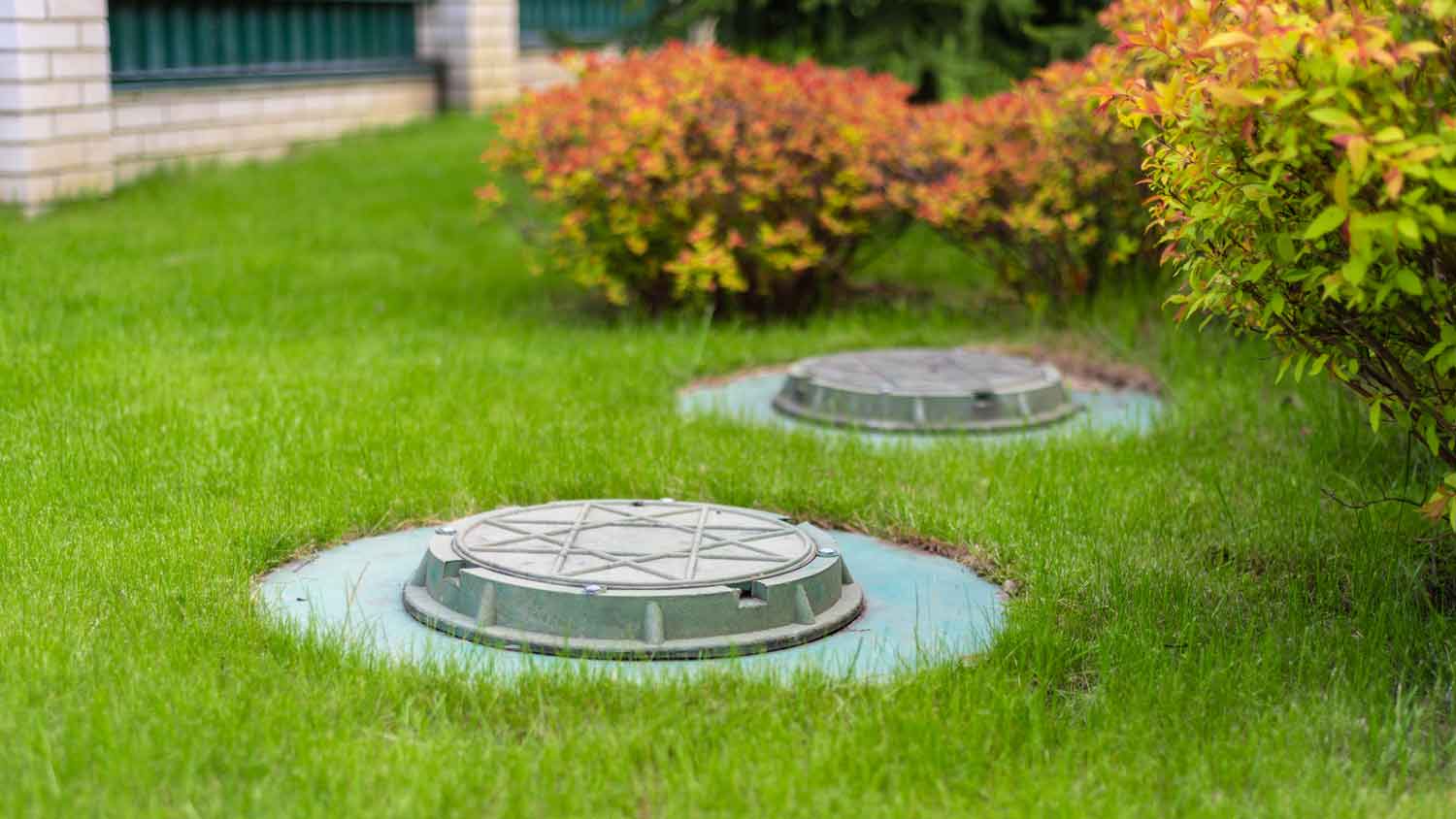
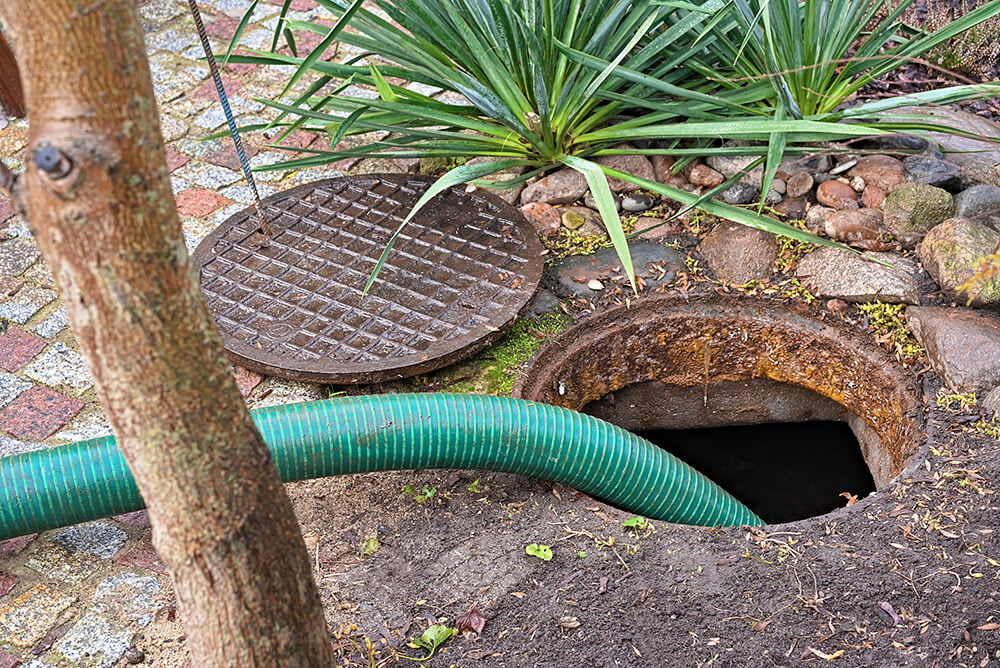
A septic tank always has some amount of liquid in it—which should usually be 8 to 12 inches from the top of the tank. If the liquid level is higher than that or is overflowing the drainage pipe that leads out to the leach field, the tank may be too full and in need of pumping.
Most home wells start at 100 feet, and many go as deep as 200 or 300 feet.
It takes quite a lot of water to meet the demands of showers, toilets, faucets, and appliances like dishwashers and laundry machines, and shallow wells struggle to provide this amount quickly. If you anticipate having high water usage in the future, it’s often better to drill slightly deeper and give yourself a bit more water storage than you need.
Costs depend on tank accessibility, size, and local rates. Regular service serves as preventive care, averting costly emergency repairs or system replacements.
The Manly, IA homeowners’ guide to septic tank services
From average costs to expert advice, get all the answers you need to get your job done.
It’s crucial to install a septic tank with the right volume to avoid wastewater backups. This guide will help you calculate the right septic tank volume.
Septic tank sizes vary depending on the size of your home, how many people live there, how much water you use, and more. Read on to learn how to determine the right size for you.