

Top-rated painters.

Best painters near Manly, IA

Enter your zip and get matched with up to 5 pros

Need a pro for your painting project in Manly, IA?

Select your specific project to find the pro for you.

Top-Rated Painters in Manly - Updated Nov 2026

Avatar for Ron The Handyman
Ron The Handyman
New to Angi
Painting or Staining - Small Projects

Serving Manly, IA and surrounding areas

Approved

In business since 2010

Free estimates

Credit card accepted

We bring years of expertise and dedication to every project. With a strong background in customer service and technical proficiency, we prioritize delivering top-notch results that exceed expectations. Our commitment to continuous learning ensures that I stay updated with the latest industry trends and best practices. Whether it's troubleshooting complex issues or providing routine maintenance, we approach each task with precision and professionalism. Our goal is to build lasting relationships with clients based on trust, reliability, and exceptional service delivery. \n

Handyman
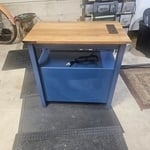
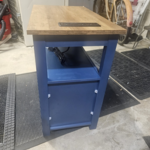
Assembly side table
Assembly side table
Assembly side table
20 neighbors recently requested a quote

Straight Line Painting
5.0(
1
)
Interior Painting or Staining: 1 - 2 RoomsPainting or Staining - Small Projects

Serving Manly, IA and surrounding areas

In business since 1999

Free estimates

We pride our company on reliability, great communication, integrity, and quality work. We are experts in our trade and will do our best to keep you as educated as we can on your particular task or project. We look forward to earning your business! Call today for a free estimate!!

Response time3 days
Recommended by100%of homeowners
Paint Pro's Facebook
New to Angi
Painting or Staining - Small ProjectsPainting or Staining - Small Projects - For Business

Serving Manly, IA and surrounding areas

In business since 2020

Free estimates

Offers commercial services

Paint Pro's, LLC is committed to excellence every aspect of our business. We uphold a standard of integrity bound by fairness, honesty, and personal responsibility. Our distinction is the quality of service we bring to our customers. Accurate knowledge of our trade combined with ability is what makes us true professionals. Above all, we are watchful of our customers' interests, and make their concerns the basis of our business.

Showing 1-10 of 41
Painting FAQs, answered by experts

Applying a sealer or topcoat after staining wood is highly recommended, though not always strictly required. A sealer protects the wood from moisture, UV rays, and weather-related issues, which is especially important for outdoor surfaces like decks and fences. It also enhances the stain's durability, prevents fading over time, and gives the wood a cleaner, more professional-looking finish. For some indoor applications, a sealer may not be necessary, depending on the type of stain used and the level of protection needed. It's always best to check the stain manufacturer's recommendations and consider the wood's intended use and exposure when deciding whether to apply a sealer.

The best way to prepare your vinyl fence for a paint job is to clean it with warm, soapy water and rinse it with a hose or pressure washer on a low setting. Be sure to let it totally dry, then sand the surface before applying an epoxy-based primer. After the primer, you're ready to paint your vinyl fence.

Whether to brush or roll stain on wood depends on the project and your preference. Brushing is ideal for smaller, intricate areas and offers more control over the application, ensuring thorough coverage and penetration into the wood's grain. 

Conversely, rolling is efficient for more extensive, flat surfaces and can save time. However, it is not always the best fit for textured or uneven wood. Some projects may benefit from combining both methods, using a brush for detail work and a roller for broader areas. Ultimately, the choice between brushing and rolling depends on the specific requirements of your staining project.

Limewash and whitewash are two techniques used to give brick a light, matte finish, but they differ in composition, application, and permanence. The best choice depends on your aesthetic goals and the specific surface.

Composition

  • Limewash: A natural and environmentally friendly option made from limestone, water, and sometimes pigments. It is breathable and soaks into porous surfaces like brick.

  • Whitewash: Traditionally made from lime, water, chalk, and binders, but a similar look can be achieved with watered-down white paint. It is paint-based and sits on top of the surface.

Appearance and Finish

  • Limewash: Provides a natural, textured appearance that allows the brick's character to show through. It offers a more traditional finish.

  • Whitewash: Creates a softer, more opaque finish, often used for a rustic or shabby-chic style.

Application and Permanence

  • Limewash: Is semi-permanent and can be removed, making it a good choice if you might want to change the look in the future. It requires more skill to apply and cannot be used on previously painted brick.

  • Whitewash: Is a more permanent solution. It is more forgiving to apply and can be used on painted brick. However, because it sits on the surface, it can trap moisture.

Ultimately, if you want a breathable, natural, and reversible finish for unpainted brick, limewash is a great option. If you need a more permanent, opaque coating that can be applied over painted surfaces, whitewash is the better choice. Whitewashing may also be more economical, costing approximately $1.40 to $4.20 per square foot.

Rags used with oil-based stains are highly flammable and can spontaneously combust in the right conditions. To reduce the fire risk, throw them in a metal container after use and add rocks on top to secure them. Add an inch of water and seal the container. Take the rags in the container to a hazardous waste factory as soon as possible.

The Manly, IA homeowners’ guide to painting services

From average costs to expert advice, get all the answers you need to get your job done.