


Top-rated landscapers.

Get matched with top landscapers in Manly, IA

Enter your zip and get matched with up to 5 pros

Need a pro for your landscaping project in Manly, IA?

Select your specific project to find the pro for you.

Find Landscapers in Manly

Avatar for Bernd's Pond
Bernd's Pond
5.0(
11
)

Serving Manly, IA and surrounding areas

In business since 2012

Free estimates

Emergency services offered

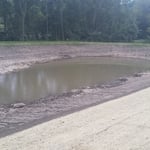
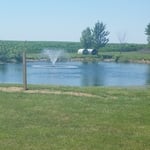
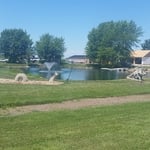
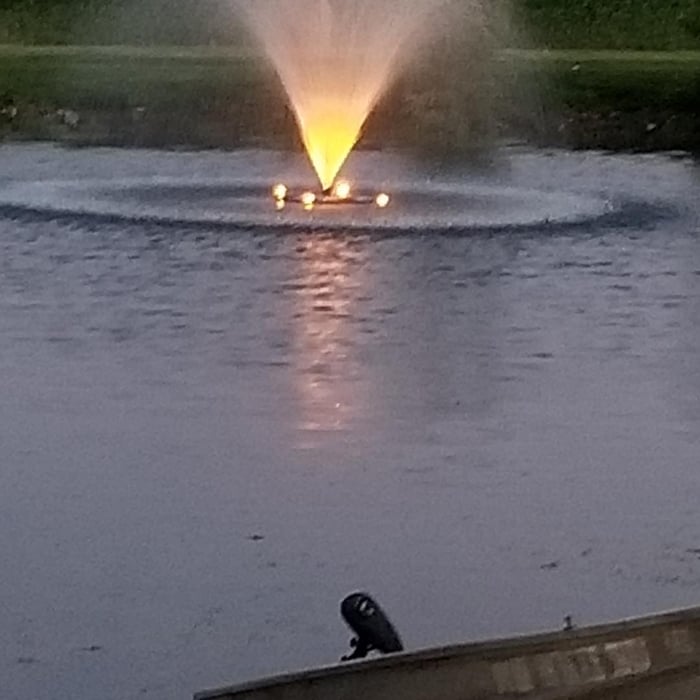
"He started from a couple of ideas that I wanted in a pond and created the pond of my dreams. He added lights that I just love. We enjoy our pond during the day,but really love to sit at night and watch the Koi swim. We don't need to go on vacation to relax, we just go outside to be by the pond."
Additional Photos
Additional Photos
Additional Photos
Additional Photos
Additional Photos

+20

Recommended by100%of homeowners
Showing 1-10 of 20
Landscaping questions, answered by experts

Grass is the most popular and safest option for planting over a septic drain field, but you can also plant small flowering plants and other lightweight plants that don’t have woody or deep roots. Avoid trees and bushes within 10 feet of the field, as the woody roots can crack the perforated pipes. You should also avoid planting vegetable or fruit gardens over your drain field, as a leak from the pipes could contaminate the soil and put anyone who eats the produce at risk.

The best landscaping for a septic drain field is shallow-rooted grass or native vegetation that helps prevent soil erosion while allowing water to evaporate efficiently. Avoid planting trees, shrubs, or deep-rooted plants near the drain field because the roots can infiltrate pipes and cause blockages. Using mulch or gravel sparingly can also help retain moisture and protect the system without restricting airflow.

If you are xeriscaping a lawn from scratch, your best bet for preparing the lawn is to work with a xeriscaping specialist in your area. The most common first step to making the transformation, however, will be to remove the turfgrass from your lawn. The subsequent steps will often include amending the soil to support new plants and installing low-drip or drip irrigation systems.

Moss attaches to the ground but doesn’t have roots, so it can take four to six weeks for establishment to begin. It takes between 12 and 18 months for full coverage, and maximum thickness takes about two years. Keep your moss moist and debris-free to ensure it establishes itself well.

Unless it only rains once in a blue moon where you live, you’re going to want water-loving plants in your garden bed or pot. A few ideas for plants that aren’t super fast-growing (meaning they’re good in pots or near foundations) and can handle a lot of standing water include: 

  • Acorus (Sweet flag)

  • Colocasia esculenta (Taro or elephant ear): In many climates, these are annuals, making them less desirable because you need to adjust the chain again after each replant.

  • Equisetum scirpoides (Dwarf horsetail rush): non-dwarf varieties of horsetail are fast growers and can take over quickly.

  • Juncus effusus (Curly rush)

  • Osmunda regalis (Royal fern): Royal fern can grow quickly but can also handle being crowded, making them good container plants.

The Manly, IA homeowners’ guide to landscaping services

From average costs to expert advice, get all the answers you need to get your job done.

What do you need done? We’ll find top pros.
  • 🌱 "Mow a small front yard"
  • 🛠 "Fix a leaking pipe under the sink"
  • 🏠 "Repair shingles on an asphalt roof"