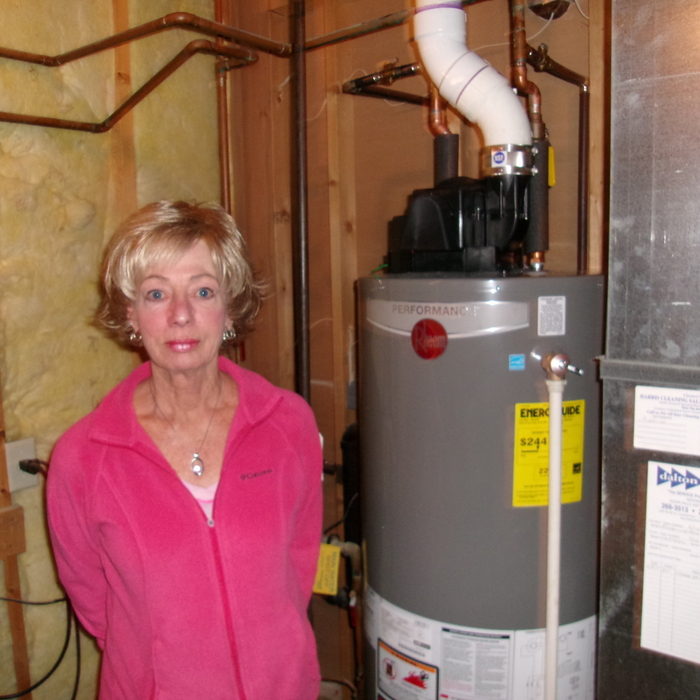



"I was very satisfied by the water testing & quality of the demonstration of the water treatment system. Followup by the company representatives after purchase is also very important to me as part of the quality of product & service."
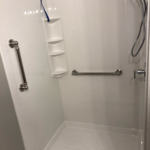
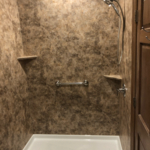
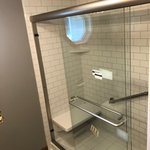
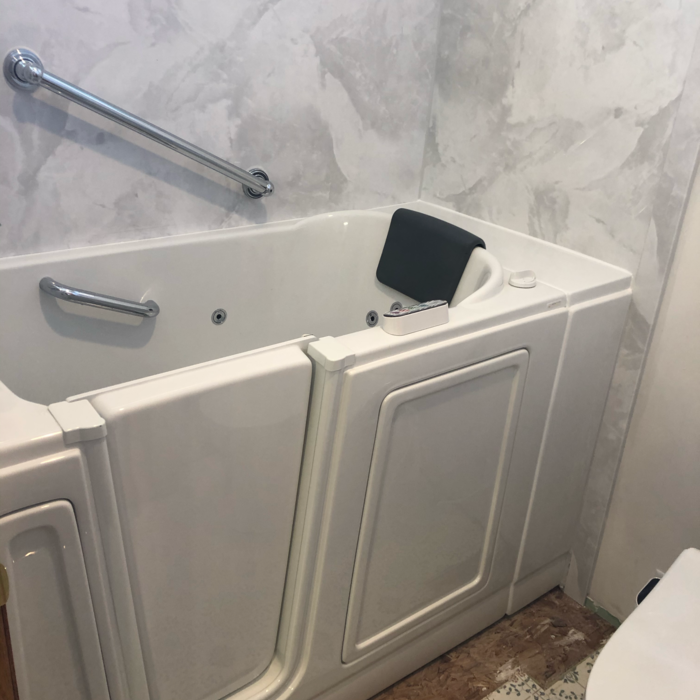
Needing to replace your old shower or tub or need something more accessible? Need your bathroom remodeled? Give us a call. We are based out of Waterloo but gladly service most of eastern Iowa.\n\nWe have installed over 100 showers. We take pride in our work so you can take pride in your home.
Our services include: Grading & Ditching, Trenching, Culvert Installation, Pond Building and Restoration, Demolition, Concrete and Rock Removal, and much more. We take pride in doing the best work for affordable prices. Give us a call today for a free estimate.
No, hard water isn’t dangerous. The added calcium in hard water can contribute to good bone health. However, it can also cause dry skin and hair. If you have dry skin or hair, consider using a water-softening system to help minimize the minerals in your water. Plus, these systems can also add some sodium to your diet.
Hard water isn’t necessarily bad for you. In some ways, it’s good for you. If you’re deficient in magnesium or calcium, hard water can give you a mineral boost that you wouldn’t get with soft water. However, this is where the benefits of hard water pretty much stop. Hard water can cause many minor inconveniences and lead to costly, premature replacements of your water-using appliances.
Installing a water softener could help reduce calcium buildup in your pool if your pool has high calcium hardness as a result of hard drinking water in your home. Pool softeners work by exchanging calcium and magnesium for sodium, so if you use softened water to top off your pool, it may help keep calcium hardness from rising over time. However, it won’t lower the calcium hardness of the water already in your pool and isn’t a practical way to control pool calcium levels. The average water softener installation cost is between $200 and $6,000.
Softened water prevents scale deposits, reducing appliance wear, leading to energy savings and longer-lasting household fixtures.
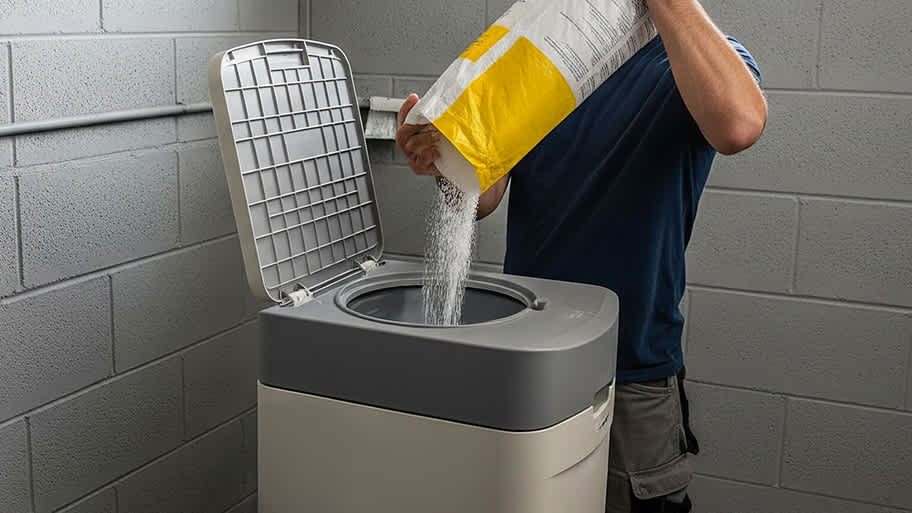
A water softener is a worthwhile investment if you live in an area with hard water. While hard water is safe to drink, it contains minerals like calcium and magnesium that can cause significant problems over time. These minerals build up inside pipes, reducing water flow and eventually corroding the plumbing system, which can lead to leaks and a shortened lifespan. Hard water also damages fixtures and appliances, potentially resulting in costly repairs. Additionally, it makes soaps and detergents less effective, meaning you'll use more product to get things clean. By installing a water softener, you can prevent these issues. The initial investment is often recouped through long-term savings, including lower energy bills, reduced appliance and plumbing maintenance, and spending less on soap and cleaning supplies. Other benefits include cleaner linens, dishes, and clothing, as well as softer water that is gentler on your skin and hair. In some areas, a water softener can also increase your home's value, making it a valuable long-term investment.
The Keystone, IA homeowners’ guide to water softener services
From average costs to expert advice, get all the answers you need to get your job done.
Water softener repair costs can add up, but they’re almost always worthwhile. Use this guide to see what your project is going to cost before you get started.
There are four common softener alternatives available on the market today. We compare and contrast each one to help you find your best-fit solution in this blog.
Who repairs water softeners? You should be able to hire water softener repair and installation companies or plumbers to fix issues with these appliances.
Water softeners last up to 25 years, but maintenance, usage, and other factors can affect the life span. Learn more about how long water softeners last.