





Top-rated water softener pros.

Best water softener pros near Brooklyn, IA

Enter your zip and get matched with up to 5 pros

Need a pro for your water softener service project in Brooklyn, IA?

Select your specific project to find the pro for you.

Top-Rated Water softener pros in Brooklyn - Updated Nov 2026

Avatar for Jason's Showers
Jason's Showers
5.0(
6
)
Well Pump - Repair or Service

Serving Brooklyn, IA and surrounding areas

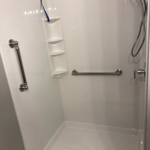
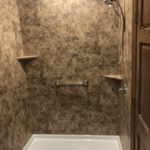
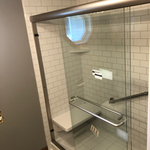
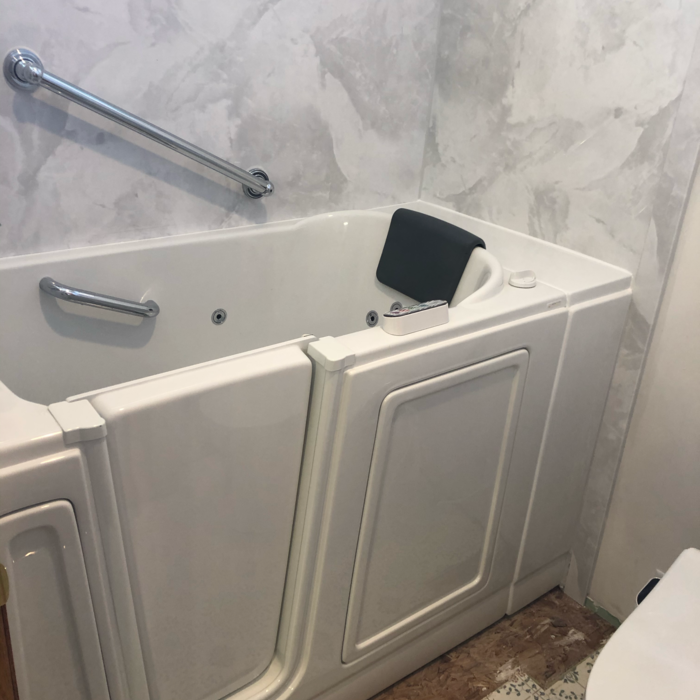
"Jason did an amazing job on our new shower, tile, toilet and vanity. He was very polite and we couldn’t be happier with the skills he has. 10/10 he’s the guy to hire for your bathroom jobs. So affordable and was willing to work with our color schemes and schedules."

Remodeling - Kitchen & Bathroom Project
Additional Photos
Additional Photos
Additional Photos
Additional Photos

+1

Recommended by100%of homeowners

Chittick Tiling
New to Angi
Water Treatment & Purification System - Repair or Service

Serving Brooklyn, IA and surrounding areas

In business since 2015

Free estimates

Offers commercial services

We are a locally owned and operated company that values honesty and integrity and treats your home as if it were our own. We offer a variety of General Contractor services that are customizable to each individual project. You will find us to be competitively priced, paying close attention to the details of each and every project that we are involved with. We look forward to building lasting relationships and guarantee your satisfaction!

Water Softeners FAQs, answered by experts

A water softener is a worthwhile investment if you live in an area with hard water. While hard water is safe to drink, it contains minerals like calcium and magnesium that can cause significant problems over time. These minerals build up inside pipes, reducing water flow and eventually corroding the plumbing system, which can lead to leaks and a shortened lifespan. Hard water also damages fixtures and appliances, potentially resulting in costly repairs. Additionally, it makes soaps and detergents less effective, meaning you'll use more product to get things clean. By installing a water softener, you can prevent these issues. The initial investment is often recouped through long-term savings, including lower energy bills, reduced appliance and plumbing maintenance, and spending less on soap and cleaning supplies. Other benefits include cleaner linens, dishes, and clothing, as well as softer water that is gentler on your skin and hair. In some areas, a water softener can also increase your home's value, making it a valuable long-term investment.

Most of the U.S. has hard water, especially across portions of the West and Midwest. The areas with the hardest water include parts of Texas, Oklahoma, Kansas, Colorado, New Mexico, Utah, Wyoming, Illinois, North and South Dakota, Ohio, and New York. You’ll find soft water in parts of New England, the Southeast, the Pacific Northwest, and Hawaii.

Installing a water softener could help reduce calcium buildup in your pool if your pool has high calcium hardness as a result of hard drinking water in your home. Pool softeners work by exchanging calcium and magnesium for sodium, so if you use softened water to top off your pool, it may help keep calcium hardness from rising over time. However, it won’t lower the calcium hardness of the water already in your pool and isn’t a practical way to control pool calcium levels. The average water softener installation cost is between $200 and $6,000.

There are several things that can shorten the life of a water softener. Homes with very hard water may have to replace the unit sooner because the water softener works harder to filter out the hard minerals. High water usage and infrequent maintenance can also put more strain on a water softener.

The primary difference between a water softener and a water filter lies in what they remove from the water. A water softener is designed to remove hard minerals like calcium and magnesium. In contrast, a water filter has a broader effect, removing various contaminants above a certain size, which can include bacteria and other impurities.

To decide which you need, consider your goal. If you want to eliminate hard minerals, choose a softener. If you want to remove a wide range of contaminants, a filter is the better option. Filters are also generally less expensive to install. Depending on your water supply, you may need to install both for comprehensive treatment.

The Brooklyn, IA homeowners’ guide to water softener services

From average costs to expert advice, get all the answers you need to get your job done.