






Top-rated masons.

Get matched with top masons in Jefferson, IA

Enter your zip and get matched with up to 5 pros

Need a pro for your masonry work project in Jefferson, IA?

Select your specific project to find the pro for you.

Find Masons in Jefferson

Avatar for ANCHORED WALLS
ANCHORED WALLS
4.7(
19
)
Basement Drainage Channels - InstallBasement Drainage Channels - RepairConcrete Foundation - Raise+3 more

Serving Jefferson, IA and surrounding areas

In business since 1978

Credit card accepted

"Anchored Walls made it easy to get the work completed. Estimate was done quickly and professionally. I spoke with 2 other companies who were impossible to chase down for estimates. Anchored Walls always answered their phones and made the entire process stress free. Would recommend and use again, need be.
"
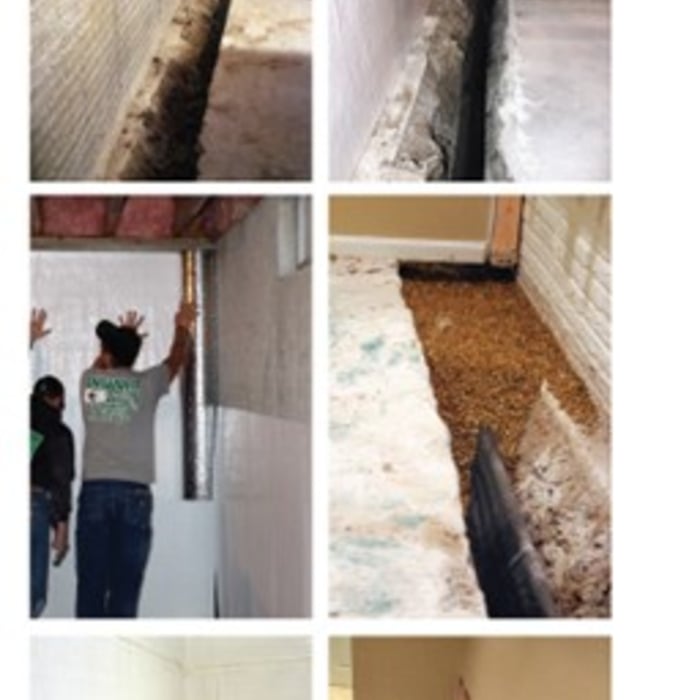
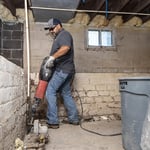
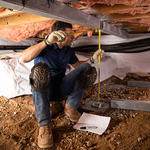
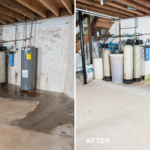
Additional Photos
Additional Photos
Additional Photos
Additional Photos
Additional Photos

+2

Recommended by87%of homeowners
Showing 1-10 of 26
Masonry questions, answered by experts

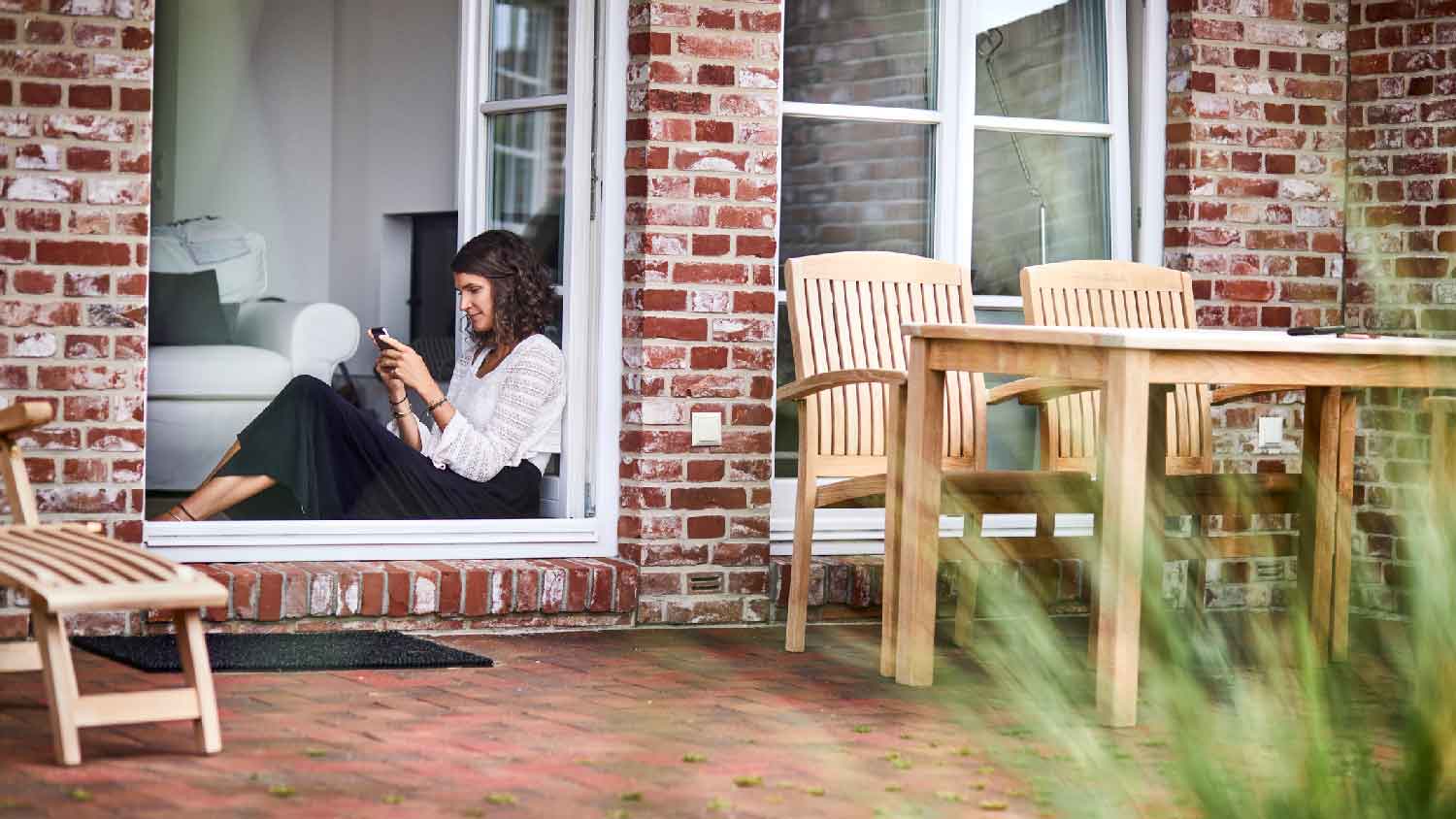
No, you shouldn’t lay bricks directly on dirt. While it might seem like a shortcut, it leads to a patio that shifts, sinks, and becomes a maintenance headache. Dirt expands, contracts, and erodes—none of which mix well with long-term stability. To build something that lasts, excavate the topsoil, compact a layer of crushed gravel, and add a coarse sand-setting bed. This layered base gives your bricks proper support, allows drainage, and helps block weeds from creeping through. Cutting corners here just means you’ll spend more time—and money—repairing your brick patio later.
A well-made brick wall can last up to 100 years if maintained properly, which includes regularly repairing the mortar every 30 to 50 years. If your brick wall is under 30 years old and is already showing signs of repair, it may be due to poor brickwork and installation. Extreme weather conditions can also accelerate a brick wall’s life span (especially the exterior of a house).

You should generally drill into the mortar joints when installing shutters on brick. Mortar is softer, which makes drilling easier and puts less strain on your tools. It also lowers the risk of cracking a brick—something that’s a lot harder to fix. Mortar holds fasteners well enough for standard shutters, and if you ever need to patch the holes later, it’s a much simpler job than dealing with damaged brick. Just keep in mind that if your mortar joints are too thin or the hardware calls for brick anchoring, you'll need to check the manufacturer’s recommendations and adjust accordingly.
If your old bricks are in decent condition and you have the space to store them where they’ll be protected from the elements, keeping old bricks is often worthwhile. You’d spend anywhere from $70 to a few hundred dollars to have them removed from your property, in which case you won’t be able to use them for future projects. Holding on to old bricks in good condition means you can use them later for other DIY projects, potentially saving yourself some money on disposal and new materials down the road.

In some cases, black stains on brick are caused by organic substances like algae and mold. However, it's more likely that the black spots you're noticing on your bricks come from carbon from vehicle exhaust or soot. Black stains can usually be removed by scrubbing the brick with a brush and masonry cleaner or power washing.

The Jefferson, IA homeowners’ guide to masonry services

From average costs to expert advice, get all the answers you need to get your job done.