




Top-rated masons.

Get matched with top masons in Gowrie, IA

Enter your zip and get matched with up to 5 pros

Need a pro for your masonry work project in Gowrie, IA?

Select your specific project to find the pro for you.

Find Masons in Gowrie

Avatar for Nedi Masonry Repair, LLC
Nedi Masonry Repair, LLC
4.3(
44
)
Brick or Stone - Tuck-pointingBrick or Stone - Tuckpointing - For Business

Serving Gowrie, IA and surrounding areas

Approved

In business since 1992

Free estimates

Warranties offered

"I would recommend this company to EVERYONE. They were professional, hardworking, and respectful to me and my property. They got right to the job at hand, and kept everything tidy during the entire project. The finished job looks FANTASTIC, and the price was a DEAL! I will definitely use this company again for any masonry repair I may need. GREAT JOB GUYS!!! :)"
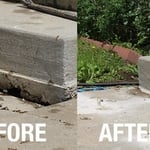
BEFORE
AFTER
BEFORE
AFTER
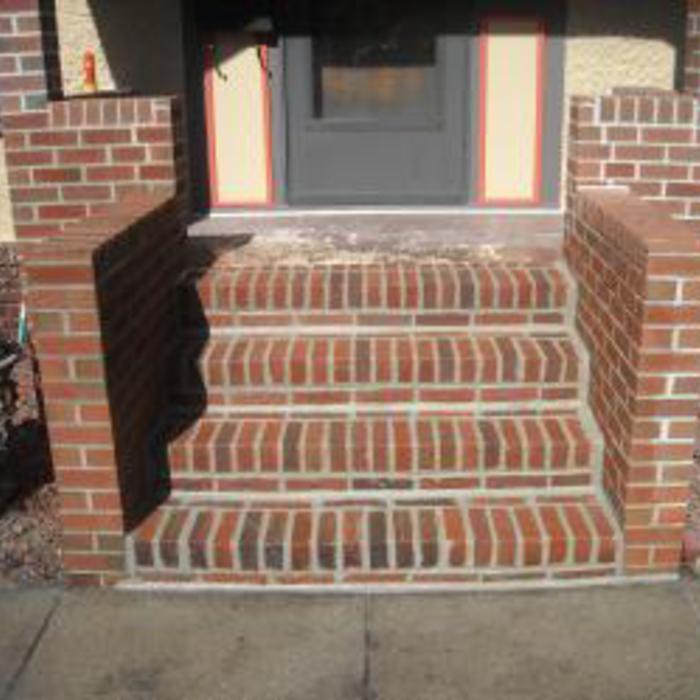
BRICK STAIRS REPAIR

+1

Response time2 days
1 neighbors recently requested a quote
Recommended by100%of homeowners
Avatar for Thrasher, Inc.
Thrasher, Inc.
4.1(
181
)
Foundation, Basement or Crawlspace - Waterproofing / EncapsulationConcrete Foundation - RaiseConcrete Foundation - Repair+2 more

Serving Gowrie, IA and surrounding areas

Approved

In business since 2014

Free estimates

Warranties offered

"Make sure you ask questions. After getting a clear understandable explanation of why and what they were doing, I felt I was getting my money's worth. They were a bit pricey. Workers were prompt, courteous and were careful of our property."
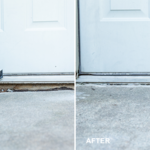
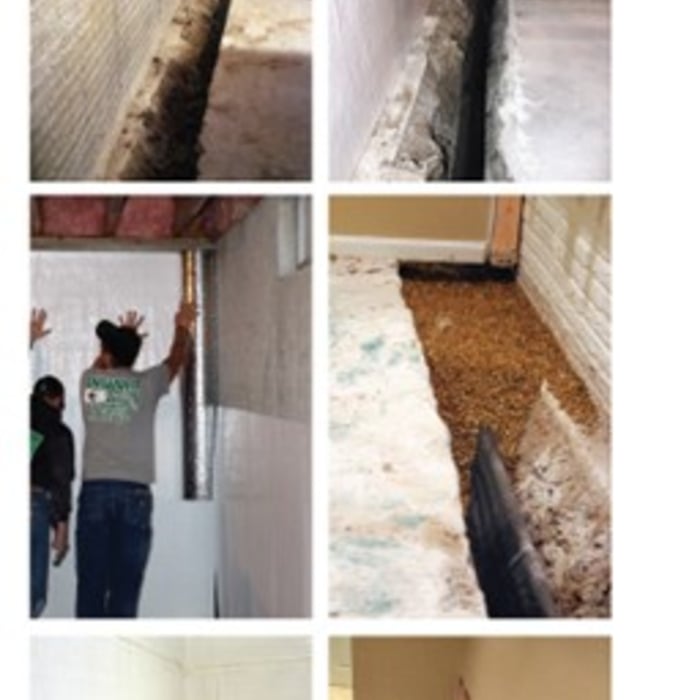
Basement Waterproofing Before and After
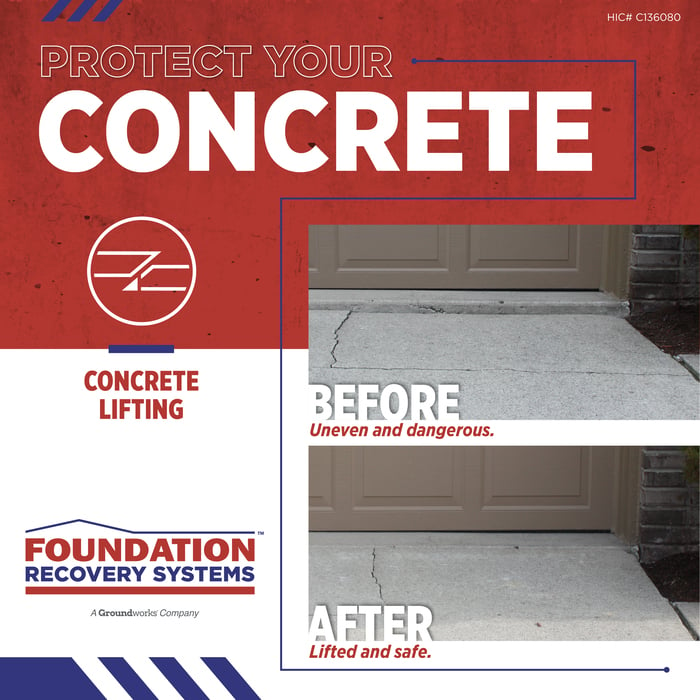
Concrete Repair Before and After
Thrasher Services
Thrasher Services
Thrasher Services

+12

Response time2 days
1009 neighbors recently requested a quote
Recommended by84%of homeowners

Avatar for ANCHORED WALLS
ANCHORED WALLS
4.7(
19
)
Basement Drainage Channels - InstallBasement Drainage Channels - RepairConcrete Foundation - Raise+3 more

Serving Gowrie, IA and surrounding areas

In business since 1978

Credit card accepted

"Anchored Walls made it easy to get the work completed. Estimate was done quickly and professionally. I spoke with 2 other companies who were impossible to chase down for estimates. Anchored Walls always answered their phones and made the entire process stress free. Would recommend and use again, need be.
"
Additional Photos
Additional Photos
Additional Photos
Additional Photos
Additional Photos

+2

Recommended by87%of homeowners

Showing 1-10 of 25
Masonry questions, answered by experts

A traditional rectangular brick that is used for siding, brick walks, and pathways is 8 inches long by 4 inches wide. If you are shopping for fire bricks, the standard dimension is typically 9 inches long by 4.5 inches wide.

Fireclay is a type of clay but it is a type of clay that, because of its chemical composition, can be fired at a much higher temperature than other clays. This results in a denser and more heat-resistant final material. Because of the high percentage of a mineral called kaolin, fireclay sinks are smoother and more durable than other clay types.

Use fire bricks for a brick pizza oven. These bricks are typically used for fireplaces and chimneys as they can withstand high temperatures from heat sources. If you attempt to use any other kind of bricks, it’s likely that this material will crack from such high heat exposure in the best case—and potentially explode and cause serious harm in the worst case.

Yes, it is normal to see some minor hairline cracks in brick or mortar over time, often due to natural foundation settling. However, not all cracks are harmless. You should be concerned and contact a masonry professional for an inspection if you notice cracks that are getting wider or longer, or if new ones keep appearing. Other serious warning signs that can indicate significant structural or foundation damage include large vertical cracks (especially those that widen as they go up), stair-step cracks, L-shaped cracks, and deep horizontal cracks. Factors like temperature changes, moisture, and structural loading can also cause cracks to form or worsen.

You should use cement for a chimney crown. The purpose of the chimney crown is to protect the mortar below from water damage and the effects of weather. For this reason, chimney crowns should only be made using cement. When repairing a crown, use caulks and sealants designed for cement repair rather than mortar repair.

The Gowrie, IA homeowners’ guide to masonry services

From average costs to expert advice, get all the answers you need to get your job done.