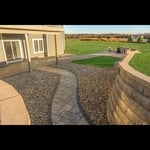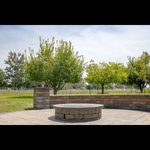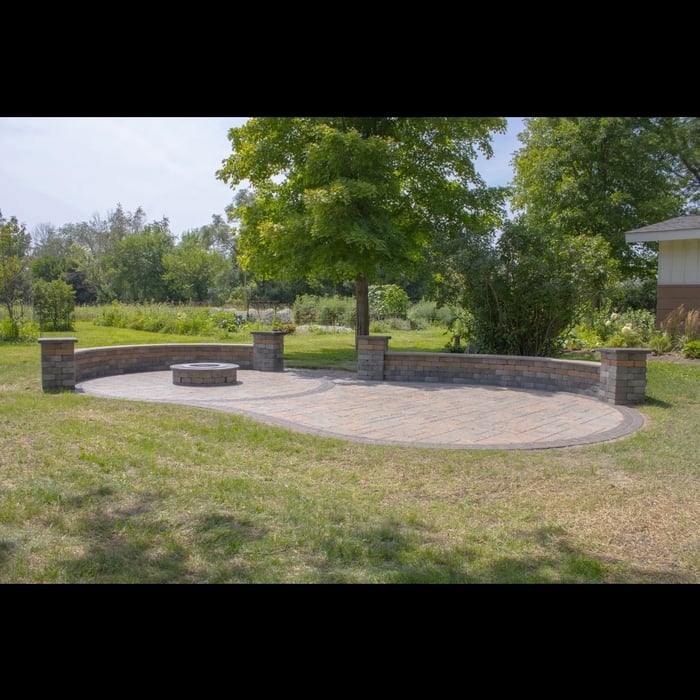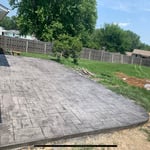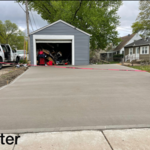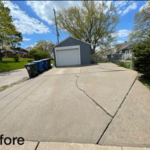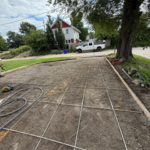




Top-rated paving pros.

Get matched with top paving pros in Wilton, IA

Enter your zip and get matched with up to 5 pros

Need a pro for your paving service project in Wilton, IA?

Select your specific project to find the pro for you.

Find Paving pros in Wilton

Avatar for TLC Property Services
TLC Property Services
4.9(
17
)
Interlocking Pavers for Patios, Walks & Steps - Install

Serving Wilton, IA and surrounding areas

Approved

In business since 2017

Free estimates

Emergency services offered

"Tyler was the first to respond to my inquiry regarding deck power washing/sanding/staining and his quote was very reasonable. He and his coworker were thorough, conscientious and very professional. I would highly recommend them to anyone!"
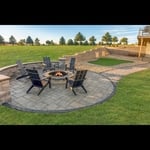
Outdoor Patio
Outdoor Patio
Outdoor Patio
Outdoor Patio
Outdoor Patio

+21

Response time3 days
14 neighbors recently requested a quote
Recommended by56%of homeowners
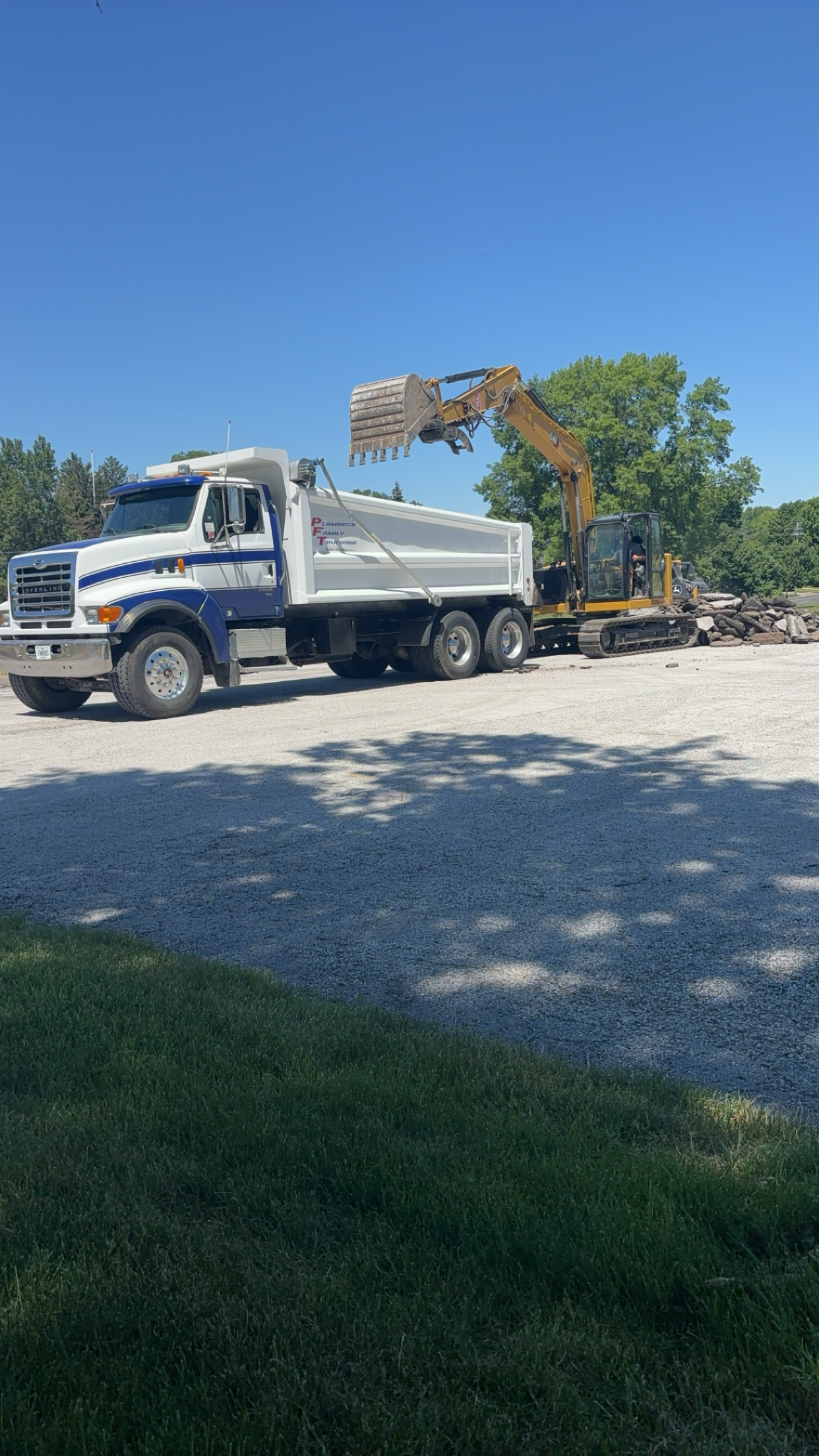
C.W. Construction
3.0(
29
)
Asphalt Paving - InstallAsphalt Paving - Install- For BusinessAsphalt Paving - Repair or Patch+2 more

Serving Wilton, IA and surrounding areas

In business since 1995

Free estimates

Credit card accepted

"Great company with excellent craftsmanship. Came out and gave an estimate and started the job soon after the contract was signed. They were one of the best companies out of the 3 that we had come out. I would definitely recommend these guys to do any driveway work you need"
Response time2 days
Recommended by80%of homeowners
Showing 1-10 of 23
Paving Services questions, answered by experts

Paving is a part of hardscaping, so all paving is hardscaping, but not all hardscaping is paving. Paving involves laying down concrete or asphalt, while hardscaping can also include the use of paving stones, bricks, gravel, wood, and more. Hardscape features that involve paving are considered permanent and will increase your property taxes, while some other hardscaping features—like those involving bricks, gravel, and paving stones—will not affect property taxes. Paving also typically requires a permit, while hardscaping features considered temporary will not.

You can pour concrete over asphalt if it’s in good condition, thick, stable, and well-compacted. Concrete is more durable than asphalt and can extend the lifetime of your driveway without having to pay frequent asphalt driveway repair costs or replace it completely. 

But this is best reserved as a temporary solution based on budget restraints, as asphalt requires more frequent repairs and assessments than concrete. Once that concrete top is poured, it’ll be harder to accurately understand what’s happening beneath that layer, which could lead to more issues.

While blacktop is a type of asphalt, the terms should not be used interchangeably, as not all asphalt qualifies as blacktop. The primary differences are in their composition, production process, and ideal applications. Blacktop contains more stone than other types of asphalt and is heated to a higher temperature during production—300°F or more—while hot-mix asphalt is heated to between 275°F and 300°F. The ratio of bitumen (a tar-like crude oil) is a key differentiator, though sources vary: some state blacktop has less bitumen, making it less durable, while others claim it has a higher ratio. Due to these differences, asphalt is generally more durable and better for high-traffic areas like highways and streets, while blacktop is more suitable for playgrounds and residential driveways. For a driveway project, it is best to consult a professional to determine the most appropriate material.
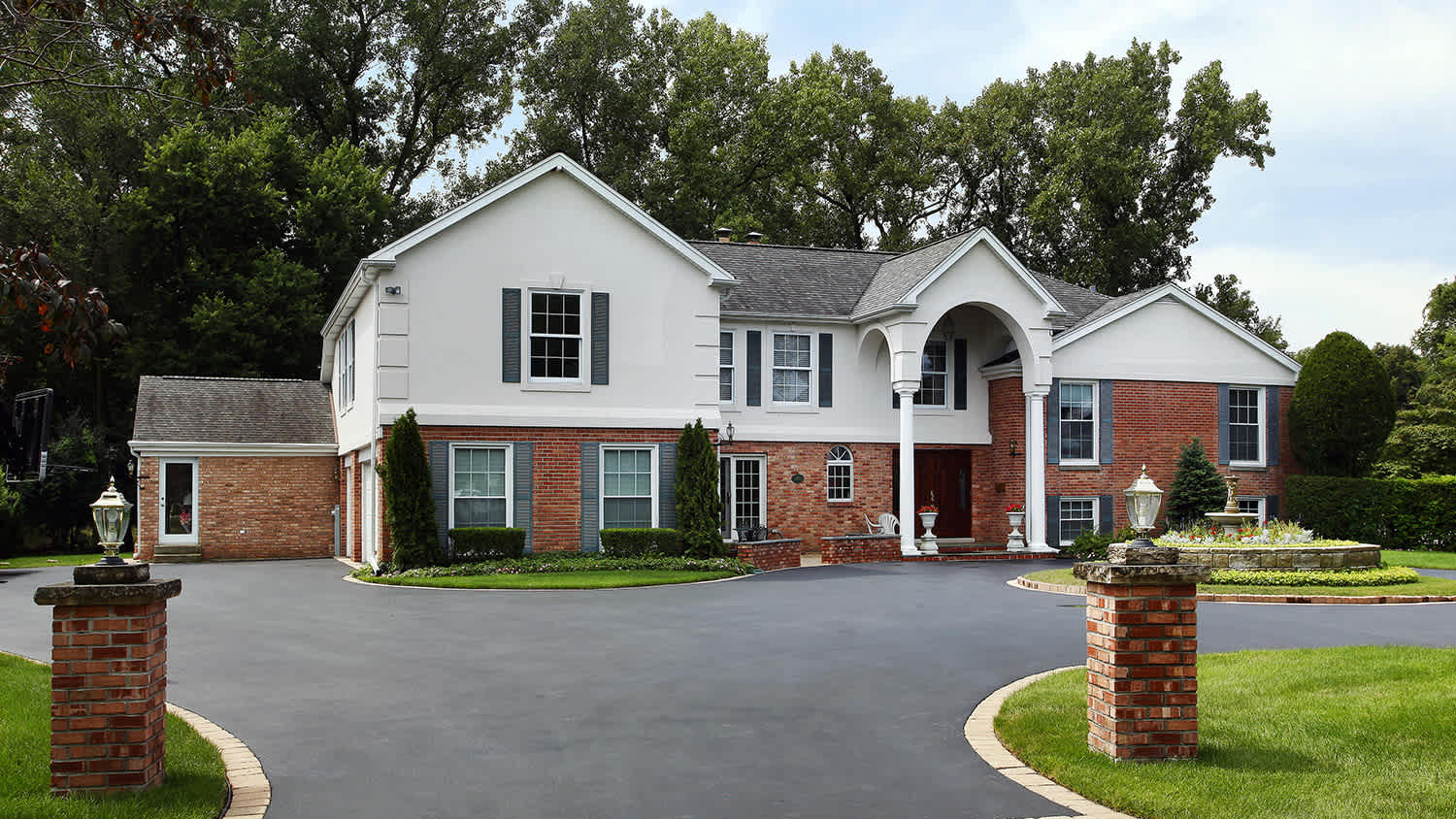
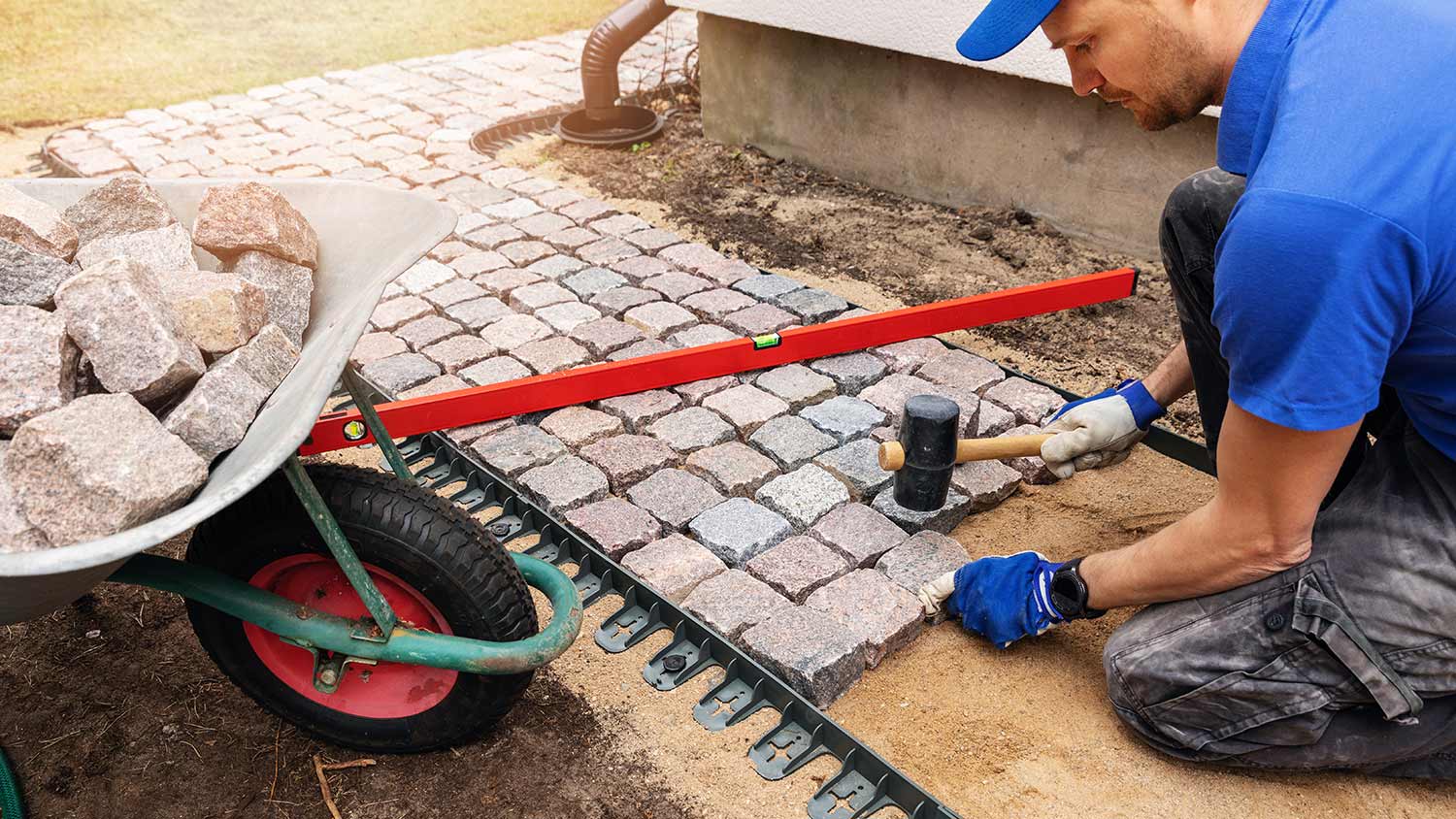
You should place a layer of thick landscaping fabric directly over the concrete slab and then a thin layer of leveling sand over that to protect the pavers from moisture. For border pavers, you should plan on locking them in place with polyurethane adhesive. This will prevent them from shifting under foot traffic.
Building a road on a slope requires careful planning and will normally require a drainage system underneath to prevent flooding and damage to the road over time. Your professional may lengthen your road to create switchbacks if the slope directly to your home is too steep, as there are regulations for maximum road slope. The drainage system will help prevent runoff from the higher side of the slope from damaging the asphalt or concrete. Keep in mind that building a road on a slope isn’t a good DIY project, as a lot can go wrong.

The Wilton, IA homeowners’ guide to paving services

From average costs to expert advice, get all the answers you need to get your job done.