




Top-rated radon detection and reduction specialists.

Get matched with top radon detection and reduction specialists in Dunlap, IA

Enter your zip and get matched with up to 5 pros

Need a pro for your radon detection and reduction project in Dunlap, IA?

Select your specific project to find the pro for you.

Find Radon detection and reduction specialists in Dunlap

Avatar for National Radon Defense Midwest
National Radon Defense Midwest
4.7(
51
)

Serving Dunlap, IA and surrounding areas

Approved

In business since 2020

Free estimates

Warranties offered

"National Radon Defense Midwest employees were very knowledgeable and helpful. As we were selling our house we discovered that we had high radon readings and needed to mitigate the problem. They explained to us the process and clearly identified what they would recommend to resolve the issue. We thought it was very reasonably priced and feel confident intheir products, staff and installation"
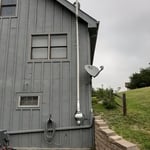
Exterior Exhaust Fan with Cover
Exterior Exhaust Fan and Discharge
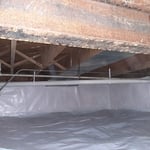
Crawlspace Encapsulation with Radon Mitigation
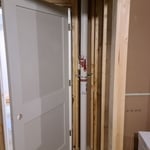
Cleverly Installed Extraction Point
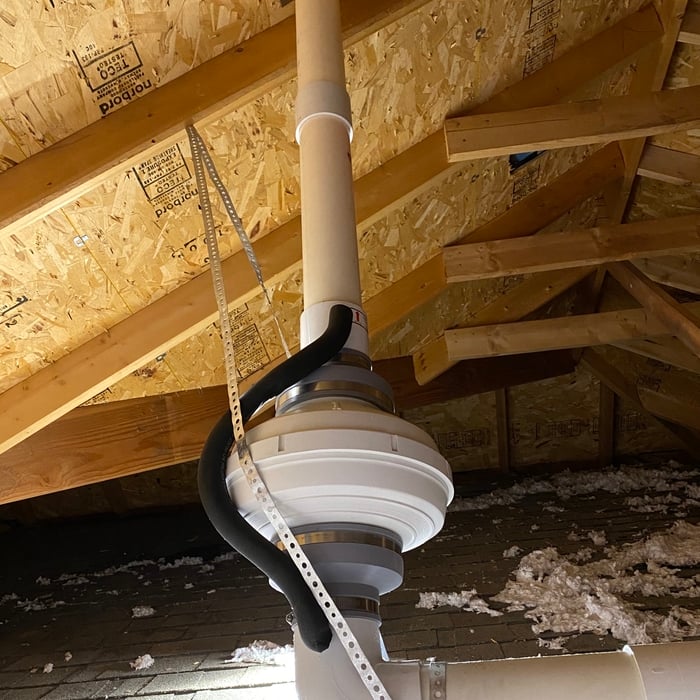
Interior Exhaust Fan

+15

Response time1 day
37 neighbors recently requested a quote
Recommended by96%of homeowners
Radon Detection and Reduction questions, answered by experts

While DIY testing is possible, abatement generally requires professional installation to ensure efficacy and meet safety standards.

The soil beneath your house is most likely what’s causing an increased level of radon. This is because soil holds radioactivity for a long time and it’s also what most buildings are built on. Another common source of radon is water from a source that hasn’t been through periodic radon tests, such as well water. Over time, the radon from the soil can inhabit other parts of your house like the foundation or plumbing.

Radon enters your home when warm air begins to rise and exits through the roof, creating a vacuum that pulls cooler air from under the foundation. Part of that air is radon, which is an invisible, odorless gas that develops naturally when radioactive particles are deep within the ground. Those particles usually come from decaying matter in soil and rocks.

Your radon mitigation system may be loud because it’s time to replace it. Any sounds are usually from the inline fan that helps create the vacuum and resulting airflow. If you hear a new, loud mechanical or humming noise from your radon fan, it might be time to replace it. Most fans used in radon mitigation systems last up to 10 years, but may need to be replaced sooner.

The cost for a radon mitigation system typically ranges from $800 to $1,500, with an average around $1,000. The final price depends on several factors, including the size of your home, the severity of the radon issue, and the type of system required. Your home's foundation type also significantly impacts the cost. For example, sealing and ventilating an unfinished basement might cost around $4,600, while encapsulating a crawl space without a foundation slab can range from $1,500 to $15,000.

The Dunlap, IA homeowners’ guide to radon detection and reduction services

From average costs to expert advice, get all the answers you need to get your job done.

What do you need done? We’ll find top pros.
  • 🌱 "Mow a small front yard"
  • 🛠 "Fix a leaking pipe under the sink"
  • 🏠 "Repair shingles on an asphalt roof"