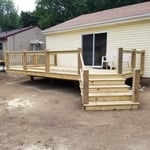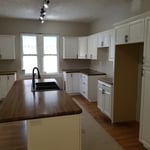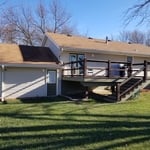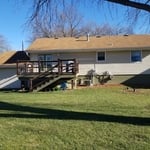




Top-rated painters.

Best painters near Dunlap, IA

Enter your zip and get matched with up to 5 pros

Need a pro for your painting project in Dunlap, IA?

Select your specific project to find the pro for you.

Top-Rated Painters in Dunlap - Updated Nov 2026

Painting Pros LLC
New to Angi
Exterior Home or Structure - Paint or StainExterior Home or Structure - Paint or Stain: Large

Serving Dunlap, IA and surrounding areas

In business since 2019

We take great pride in our experience, expertise, quality, and customer service that we provide to meet the consumer's needs. It is our mission to provide excellent workmanship and complete customer satisfaction from start to completion of a project. In order to understand the needs and expectations of our customers, we take great care to work and communicate with every customer in a professional manner. Our reputation is based on service, safety, and quality, regardless of how large or small the job. \n

S&Z Painting
1.0(
1
)
Exterior Home or Structure - Paint or Stain: LargeInterior Painting or Staining: 1 - 2 RoomsInterior Painting or Staining: 3 - 4 Rooms+3 more

Serving Dunlap, IA and surrounding areas

In business since 2019

Free estimates

S and Z Painting is committed to excellence in every aspect of our business. We uphold a standard of integrity bound by fairness, honesty, and personal responsibility. Our distinction is the quality of service we bring to our customers. Accurate knowledge of our trade, combined with ability is what makes us true professionals. Above all, we are watchful of our customers' interests, and make their concerns the basis of our business.

...
Showing 1-10 of 51
Painting FAQs, answered by experts

Limewash and whitewash are two techniques used to give brick a light, matte finish, but they differ in composition, application, and permanence. The best choice depends on your aesthetic goals and the specific surface.

Composition

  • Limewash: A natural and environmentally friendly option made from limestone, water, and sometimes pigments. It is breathable and soaks into porous surfaces like brick.

  • Whitewash: Traditionally made from lime, water, chalk, and binders, but a similar look can be achieved with watered-down white paint. It is paint-based and sits on top of the surface.

Appearance and Finish

  • Limewash: Provides a natural, textured appearance that allows the brick's character to show through. It offers a more traditional finish.

  • Whitewash: Creates a softer, more opaque finish, often used for a rustic or shabby-chic style.

Application and Permanence

  • Limewash: Is semi-permanent and can be removed, making it a good choice if you might want to change the look in the future. It requires more skill to apply and cannot be used on previously painted brick.

  • Whitewash: Is a more permanent solution. It is more forgiving to apply and can be used on painted brick. However, because it sits on the surface, it can trap moisture.

Ultimately, if you want a breathable, natural, and reversible finish for unpainted brick, limewash is a great option. If you need a more permanent, opaque coating that can be applied over painted surfaces, whitewash is the better choice. Whitewashing may also be more economical, costing approximately $1.40 to $4.20 per square foot.

To prevent a fence from becoming dirty, hose it down weekly and after every time you mow the lawn. This will prevent algae from being able to feed on grass clippings. You should also wash your fence once per season and trim plants so they don’t touch it. As a precautionary measure, you can treat your fence with a coating of a mold prevention product.

DIY is possible but presents risks of uneven surfaces or improper adhesion; professionals offer expertise to ensure a lasting finish.

You should repaint your fence every 1 to 3 years, depending on the appearance of wear and tear. Weather and usage will factor into how often you should paint another coat on your fence. If you need to replace a few fence boards or posts, you may want to consider repainting the fence to help protect the rest of the fence as well as the new pieces against damage and deterioration from being exposed to the elements.

Generally, these steps are included in exterior house painting:

  • Prepping and protecting the areas not being painted

  • Scraping away loose paint

  • Cleaning off dirt, grease, and debris

  • Caulking gaps and openings

  • Priming with a quality paint primer

  • Painting the prepared areas, including trim and accents with chosen paint finish

  • Adding a second coat

  • Cleaning up the site and disposing of tape, plastic, and drop cloths

The Dunlap, IA homeowners’ guide to painting services

From average costs to expert advice, get all the answers you need to get your job done.