






Top-rated radon detection and reduction specialists.

Get matched with top radon detection and reduction specialists in Neola, IA

Enter your zip and get matched with up to 5 pros

Need a pro for your radon detection and reduction project in Neola, IA?

Select your specific project to find the pro for you.

Find Radon detection and reduction specialists in Neola

Avatar for National Radon Defense Midwest
National Radon Defense Midwest
4.7(
51
)
Radon Gas - AbatementRadon Gas - Testing

Serving Neola, IA and surrounding areas

Approved

In business since 2020

Free estimates

Warranties offered

"National Radon Defense Midwest employees were very knowledgeable and helpful. As we were selling our house we discovered that we had high radon readings and needed to mitigate the problem. They explained to us the process and clearly identified what they would recommend to resolve the issue. We thought it was very reasonably priced and feel confident intheir products, staff and installation"
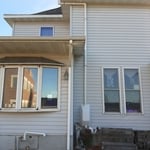
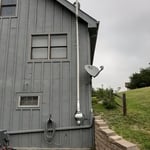
Exterior Exhaust Fan with Cover
Exterior Exhaust Fan and Discharge
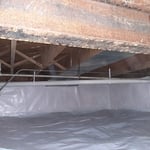
Crawlspace Encapsulation with Radon Mitigation
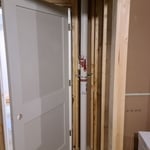
Cleverly Installed Extraction Point
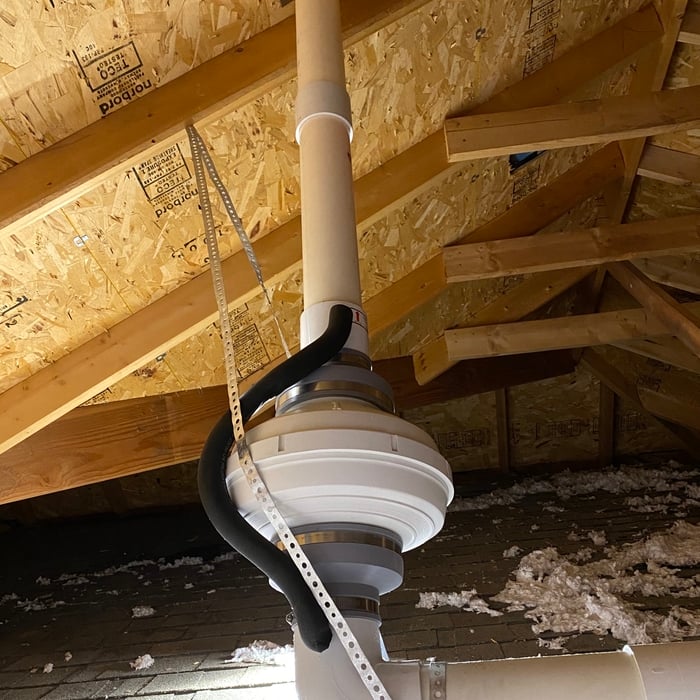
Interior Exhaust Fan

+15

Response time1 day
46 neighbors recently requested a quote
Recommended by96%of homeowners
Avatar for SWAT Environmental, Inc.
SWAT Environmental, Inc.
4.5(
13
)
Radon Gas - Abatement

Serving Neola, IA and surrounding areas

In business since 1988

Free estimates

Credit card accepted

"They did a great job with the installation and made sure the Radon was under the level it needed to be. He had to make a couple of trips to make that happen but was very polite and profession through the whole process."
Response time1 day
Recommended by100%of homeowners
Radon Detection and Reduction questions, answered by experts

The natural breakdown of uranium in soil, rock, and water can cause radon to appear in a home. The gas seeps into homes through cracks in foundations, walls, or floors, as well as through gaps around pipes or construction joints. Radon levels are influenced by soil composition, building materials, and ventilation. Poorly sealed or airtight homes can trap radon, allowing it to accumulate.

Options include sub-slab depressurization, crawlspace ventilation, and sealing cracks. Choose based on home construction and radon levels.

You can vent radon out of your house sometimes by simply opening a window, but it won’t remove the source, and will likely rise above recommended levels quickly. A professional will be needed to assess your home, and determine the best strategy for radon removal. Active radon sump pumps and soil depressurization systems are often used to forcefully vent the radon from your home.

No level of radon is technically safe, but since it is naturally present everywhere, it is impossible to avoid entirely. The average radon level in homes across the United States is 1.3 picocuries per liter (pCi/L). The Environmental Protection Agency (EPA) recommends taking action to reduce radon levels if your home's test results are between 2 and 4 pCi/L or higher.

You'll need to test your home for radon after installing the mitigation system, then again every two years. If radon remains elevated, contact a licensed radon professional, either the contractor who installed the system or a different one, and have them evaluate the system. They may need to make some changes to improve its effectiveness and performance.

The Neola, IA homeowners’ guide to radon detection and reduction services

From average costs to expert advice, get all the answers you need to get your job done.