

Top-rated excavation pros.

Best excavation pros near Kailua, HI

Enter your zip and get matched with up to 5 pros

Need a pro for your excavation project in Kailua, HI?

Select your specific project to find the pro for you.

Top-Rated Excavation pros in Kailua - Updated Nov 2026

Avatar for Big Wave Construction LLC
Big Wave Construction LLC
5.0(
7
)
Building Site - Preparation and ClearingExcavation - Major Grading or ReslopingExcavation - Major Grading or Resloping - For Business+1 more

Serving Kailua, HI and surrounding areas

Approved

In business since 2023

Offers commercial services

Customers say: True professional

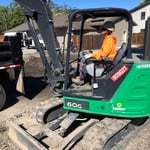
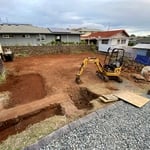
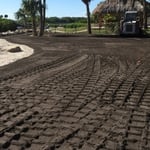
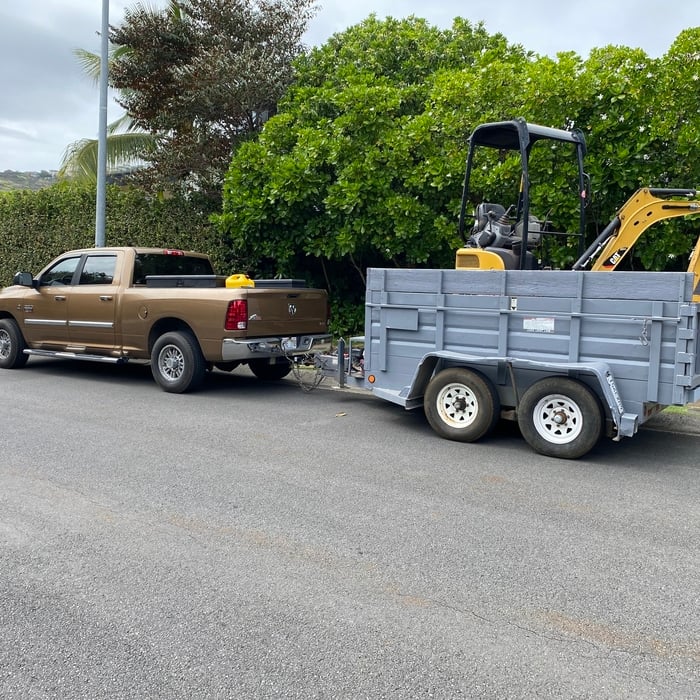
Big Wave Construction has over 20 years of experience in the grading and excavation field from small, residential work, to large, commercial projects. Focusing now primarily on providing the highest quality excavation and grading for hire on residential earthwork projects. Need something on your grounds prepared, dug, trenched, leveled, cleared, hauled, et cetera. Let big wave construction make it happen for you!

Backyard reshapes
Backyard reshapes
Backyard reshapes
Backyard reshapes
Backyard reshapes

+2

Recommended by33%of homeowners
Avatar for Sika Masonry
Sika Masonry
3.7(
22
)
Building Site - Preparation and Clearing

Serving Kailua, HI and surrounding areas

Approved

In business since 2008

Free estimates

Credit card accepted

"Malakai and his team were professional and worked diligently on my patio to get the job done in the timeframe we needed it finished. I would recommend to anyone needing concrete work done.."
Response time11 hrs
Response rate93%
52 neighbors recently requested a quote
Avatar for Lanea and Levi Excavating
Lanea and Levi Excavating
New to Angi
Building Site - Preparation and ClearingBuilding Site - Preparation and Clearing - For Business

Serving Kailua, HI and surrounding areas

Approved

In business since 2022

Free estimates

Small jobs welcome

Lanea and Levi Excavating is committed to excellence in every aspect of our business. We uphold a standard of integrity bound by fairness, honesty, and personal responsibility. Our distinction is the quality of service we bring to our customers. Accurate knowledge of our trade combined with ability is what makes us true professionals. Above all, we are watchful of our customers' interests, and make their concerns the basis of our business.

Home extension
Plumbing
Keystone wall
Keystone wall and planter
Graded for sidewalk

+3

Response time4 hrs
...
Showing 1-10 of 67
Excavating FAQs, answered by experts

There is no standard depth for burying a septic tank; they are typically buried anywhere from 4 inches to 4 feet underground. The final depth depends on several factors, including the depth of your main sewer line, the height of the bedrock, soil type, local regulations, and the property's landscape. If you plan to grow grass or plants over the tank, a depth of at least 4 to 6 inches is recommended. Deeper tanks can be more difficult to locate, but a septic professional can help find it for you.

Because decomposed granite is a durable material, a crushed rock or gravel base is optional as long as the DG is properly installed and compacted. However, installing a base is a good idea because it will ensure proper drainage and stability and act as a weed suppressant (although you may still occasionally have to pull weeds). Installing an adequate base can also increase the durability of driveways and walkways. If you forego the paver base or gravel underneath, line the area with landscaping fabric to avoid weeds.

No, a ditch isn’t a trench. A ditch is an open, relatively shallow channel that’s carved out of the ground and used for drainage purposes. In contrast, a trench is a deeper excavation that’s entirely underground. Trenches have many uses, including gas lines, sewage systems, and electrical wiring. Unlike trenches, ditches don’t get filled back in with dirt after they’re dug.

Hard soil could be a sign of overly dry dirt, either from poor drainage or drought. It's important to test the nutrient levels, density, and drainage capacity of your soil to see if it's absorbing water properly. Begin by adding a light layer of water and observing how long the soil retains moisture. If you experience a good deal of runoff, you may need to aerate your lawn, apply a wetting agent, or hire a professional for a closer look.

Sewer lines can be buried anywhere from 18 inches to 8 feet deep, with a common average depth between 18 and 30 inches. The exact depth depends on local factors like climate and soil type. In colder regions, pipes must be buried deeper (below the frost line) to prevent freezing, sometimes as deep as 8 feet. The digging depth can also impact the cost of sewer line replacement. To find the specific depth for your property, you can check the building plans for your system, which should be on file with your city or local sanitation department since permits are required for installation.

The Kailua, HI homeowners’ guide to excavation services

From average costs to expert advice, get all the answers you need to get your job done.