
Top-rated excavation pros.

Best excavation pros near Laie, HI

Enter your zip and get matched with up to 5 pros

Need a pro for your excavation project in Laie, HI?

Select your specific project to find the pro for you.

Top-Rated Excavation pros in Laie - Updated Nov 2026

Avatar for Big Wave Construction LLC
Big Wave Construction LLC
5.0(
7
)
Building Site - Preparation and ClearingExcavation - Major Grading or ReslopingExcavation - Major Grading or Resloping - For Business+1 more

Serving Laie, HI and surrounding areas

Approved

In business since 2023

Offers commercial services

Customers say: True professional

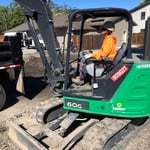
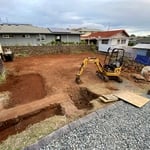
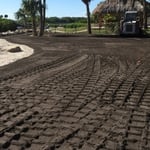
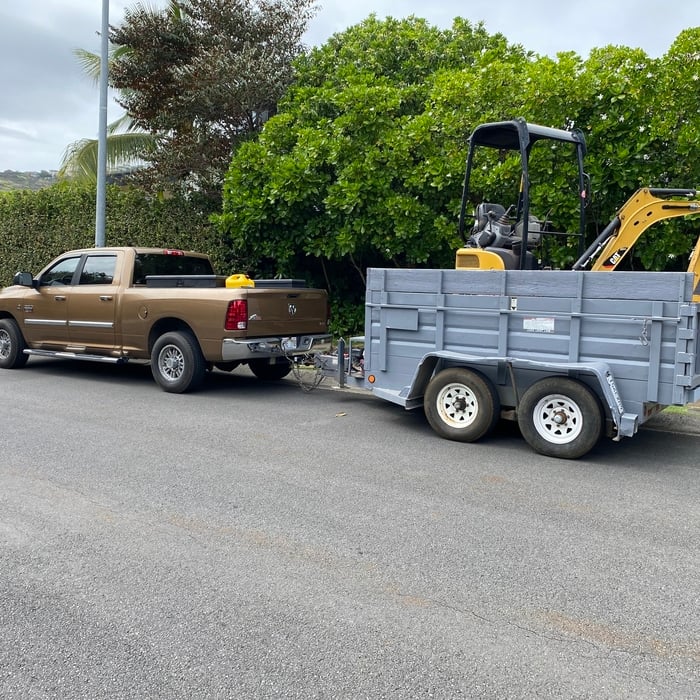
Big Wave Construction has over 20 years of experience in the grading and excavation field from small, residential work, to large, commercial projects. Focusing now primarily on providing the highest quality excavation and grading for hire on residential earthwork projects. Need something on your grounds prepared, dug, trenched, leveled, cleared, hauled, et cetera. Let big wave construction make it happen for you!

Backyard reshapes
Backyard reshapes
Backyard reshapes
Backyard reshapes
Backyard reshapes

+2

Recommended by33%of homeowners
Avatar for Sika Masonry
Sika Masonry
3.7(
23
)
Building Site - Preparation and Clearing

Serving Laie, HI and surrounding areas

Approved

In business since 2008

Free estimates

Credit card accepted

"Malakai and his team were professional and worked diligently on my patio to get the job done in the timeframe we needed it finished. I would recommend to anyone needing concrete work done.."
Response time11 hrs
Response rate93%
54 neighbors recently requested a quote
Avatar for Lanea and Levi Excavating
Lanea and Levi Excavating
New to Angi
Building Site - Preparation and ClearingBuilding Site - Preparation and Clearing - For Business

Serving Laie, HI and surrounding areas

Approved

In business since 2022

Free estimates

Small jobs welcome

Lanea and Levi Excavating is committed to excellence in every aspect of our business. We uphold a standard of integrity bound by fairness, honesty, and personal responsibility. Our distinction is the quality of service we bring to our customers. Accurate knowledge of our trade combined with ability is what makes us true professionals. Above all, we are watchful of our customers' interests, and make their concerns the basis of our business.

Home extension
Plumbing
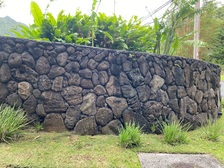
Keystone wall
Keystone wall and planter
Graded for sidewalk

+3

Response time4 hrs
...
Showing 1-10 of 62
Excavating FAQs, answered by experts

The rules for trenching and excavation include setting up and following safety protocols, learning how to use tools and machines properly, and ensuring there is a safe exit for all workers. Keep heavy equipment and materials away from the edge of the hole or trench. Call the 811 dig line before starting any excavation or trenching project to ensure you don’t hit any electrical or gas lines.

Slab foundations are more affordable than crawl spaces because they require minimal excavation, as the slab sits directly on the ground or on footers that only sink a few feet into the ground. Crawl spaces require excavation of the entire footprint of the home to several feet below the surface. Not only does that mean higher labor costs, but more materials are necessary for the concrete foundation walls.

Drilled wells have a pipe sticking up that’s covered in a plastic or metal casing. On the other hand, a dug well will look like a big hole in the ground and is more similar to what you’d see in a fantasy or Western movie. If you want to be sure, contact the city for documentation on your property’s construction and excavation history. 

The best type of soil to build on is a mixture of sand and clay, known as loam soil. Loam soil has the best combination of these soil types to build a foundation on. The clay particles help with water retention, so it won’t erode like sandy soil might, and the sandy particles help with drainage, so you won’t see unsafe soil expansion or have an increased risk of leaks from water sitting against your foundation.

A trench that is less than 5 feet deep often doesn't require a protective system. Most residential trenches will not go this deep (the typical residential drainage trench is just 18 inches deep). In the event that an excavator needs to dig more than 5 feet beneath the surface, a protective system is required unless the excavation is in entirely stable rock.

The Laie, HI homeowners’ guide to excavation services

From average costs to expert advice, get all the answers you need to get your job done.