


Top-rated excavation pros.

Get matched with top excavation pros in Moreland, GA

Enter your zip and get matched with up to 5 pros

Need a pro for your excavation project in Moreland, GA?

Select your specific project to find the pro for you.

TRUSTED BY MORELAND, GA HOMEOWNERS

  • Average homeowner rating star icon4.6
    Average homeowner rating
  • Verified reviews icon37
    Verified excavation services reviews

Find Excavation pros in Moreland

Avatar for Grace Upon Grace All Around Home Service
Grace Upon Grace All Around Home Service
5.0(
2
)
Building Site - Preparation and ClearingBuilding Site - Preparation and Clearing - For Business

Serving Moreland, GA and surrounding areas

Approved

In business since 2016

Free estimates

Emergency services offered

"Chrissy and her crew go over and above to make it as easy as possible for the homeowner. They are like family through the process of Estate Sales. I could not have ever received the best customer service from anyone else. I really loved the way they handled my things with kid gloves. They get five for compassion and caring for my needs."
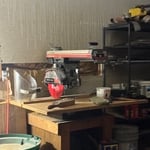
Tools to liquidate
Tool room
More items
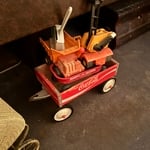
Old toys
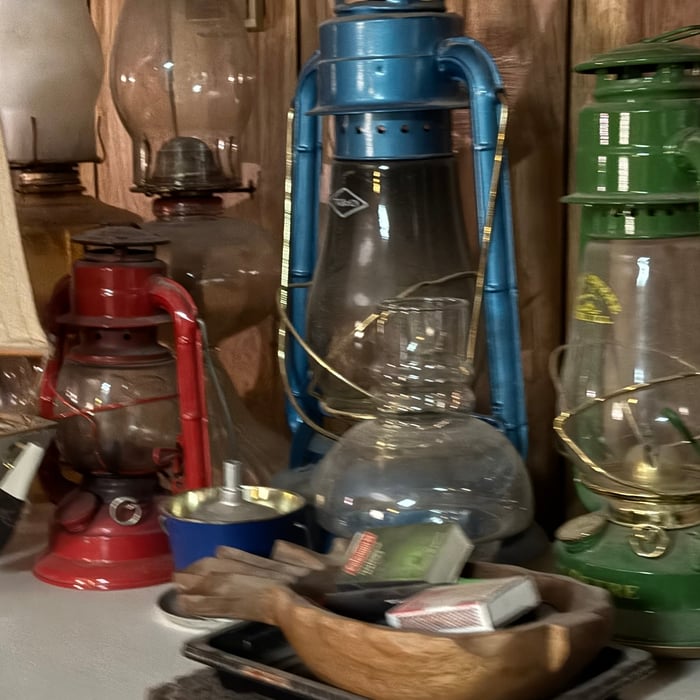
content liquidation

+26

Recommended by100%of homeowners
Somethingllc
New to Angi
Landscape - Minor Grading or Resloping

Serving Moreland, GA and surrounding areas

Approved

Hello, My name is Jacob Stevens I run a few businesses and the best way to describe my main job is inventor/scientist as my main job. I got into this because I kept helping people with handy man like tasks and decided I might as well do it as a side thing. Handyman tasks are something I generally enjoy doing and seems to be needed in our area. I am very detailed oriented and can solve any problems given enough time and budget. When given a task I prefer to do It fast and efficient before moving on to another task but I am able to multitask very well. Thank you for reading this and I hope you have a great day.

...
Showing 1-10 of 191
Excavating questions, answered by experts

There are several methods to hollow out a tree stump, and the best one depends on your tools, experience, and priorities. Common methods include using a chisel and hammer, a chainsaw, or burning.

  • Chisel and Hammer: This is often considered the easiest approach for those with limited tools or experience, though it is the most time-consuming.

  • Chainsaw: Using a chainsaw is the fastest method, but it comes with significant safety risks, especially for inexperienced users.

  • Burning: This can be an effective method, but it is not recommended unless you can first drill holes into the stump. Without holes, the stump will be difficult to light and may not burn completely through.

A power drill with at least a ⅜-inch diameter bit can make the job quicker and easier, regardless of the primary method. While you can use a chisel or chainsaw without a drill, it will require more time and effort. Always wear protective goggles and thick gloves, as splinters are an inevitable risk.

A joint utility trench, or joint trench, is a long, buried ditch on a property that contains two or more utility lines rather than running the lines in multiple trenches. Some utilities, like gas and electric or electric and communication lines, are better suited to joint trenching, while others, like water and sewer, are not allowed to be in the same trench.

Underground downspouts refer to the sections of downspout extensions that lead away from your home and gutter system. While they cost more than traditional extensions, they can provide several benefits, such as less frequent damage and no need to move them for lawn care tasks. Whether they're worth it or not depends on your budget at installation time and how much convenience they'll add to your situation.

Septic drain lines (or leach lines) are typically buried between 18 and 36 inches underground, and should be at least 6 inches below the surface. These pipes are perforated and surrounded by filtering materials like sand or gravel. Burying the lines at this depth helps minimize odors and allows bacteria and other biological processes in the soil to effectively treat the wastewater. Burying lines too close to the surface can cause issues unless the soil is very compact and stable.

A trench that is less than 5 feet deep often doesn't require a protective system. Most residential trenches will not go this deep (the typical residential drainage trench is just 18 inches deep). In the event that an excavator needs to dig more than 5 feet beneath the surface, a protective system is required unless the excavation is in entirely stable rock.

The Moreland, GA homeowners’ guide to excavation services

From average costs to expert advice, get all the answers you need to get your job done.