


Top-rated excavation pros.

Best excavation pros near Newnan, GA

Enter your zip and get matched with up to 5 pros

Need a pro for your excavation project in Newnan, GA?

Select your specific project to find the pro for you.

TRUSTED BY NEWNAN, GA HOMEOWNERS

  • Average homeowner rating star icon4.5
    Average homeowner rating
  • Verified reviews icon31
    Verified excavation services reviews

Top-Rated Excavation pros in Newnan - Updated Nov 2026

Foxwolff Land Services
5.0(
11
)
Excavation - Major Grading or ReslopingExcavation - Major Grading or Resloping - For Business

Serving Newnan, GA and surrounding areas

Approved

In business since 2010

Free estimates

Credit card accepted

"Don Foxwolff did an outstanding job filling in our backyard sinkhole. He was very patient waiting for the weather to be just right so our yard did not get damaged. He communicated very thoroughly throughout the project. I would highly recommend using Foxwolff land services for any of your excavating needs."
Response time12 hrs
Response rate97%
Recommended by100%of homeowners
Creative Outdoor Design & Lawn Maintenance, Inc.
3.7(
98
)
Landscape - Minor Grading or Resloping

Serving Newnan, GA and surrounding areas

Approved

In business since 1986

Free estimates

Small jobs welcome

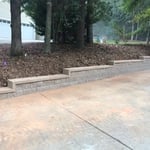
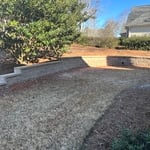
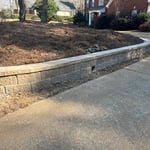
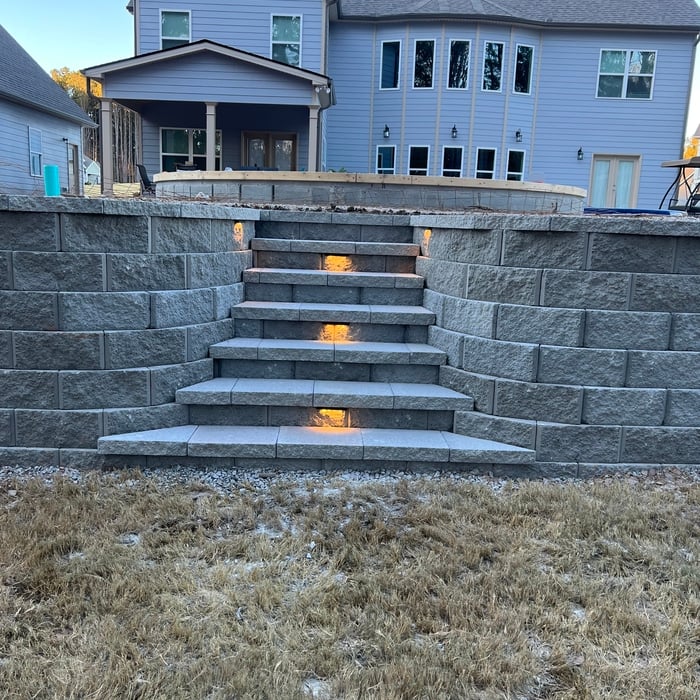
"Sometimes you get lucky and find a company that exceeds your expectations! This is one of them! They did a fantastic job adding a 2nd tier retaining wall in my backyard. Additionally they installed a 35' long concrete patio under my existing 2 story deck! Nothing better than having contractors that are professional, polite and show up when they said they will! It's a beautiful thing! Thank you Stacey Dillard and Brian Keith!!!"
Retaining Walls Stone Walkways and Pavers
Outdoor Lighting
 Pop-up units
AFTER
Retaining Walls Stone Walkways and Pavers

+21

Response time1 day
1 neighbors recently requested a quote

Recommended by92%of homeowners
...
Showing 1-10 of 285
Excavating FAQs, answered by experts

There are several methods to hollow out a tree stump, and the best one depends on your tools, experience, and priorities. Common methods include using a chisel and hammer, a chainsaw, or burning.

  • Chisel and Hammer: This is often considered the easiest approach for those with limited tools or experience, though it is the most time-consuming.

  • Chainsaw: Using a chainsaw is the fastest method, but it comes with significant safety risks, especially for inexperienced users.

  • Burning: This can be an effective method, but it is not recommended unless you can first drill holes into the stump. Without holes, the stump will be difficult to light and may not burn completely through.

A power drill with at least a ⅜-inch diameter bit can make the job quicker and easier, regardless of the primary method. While you can use a chisel or chainsaw without a drill, it will require more time and effort. Always wear protective goggles and thick gloves, as splinters are an inevitable risk.

After you successfully remove your boulder, you have a few options for what to do to get rid of it. You can rent a dumpster if your yard has many boulders or if you’re planning a larger project. You can even save the boulder and reuse it elsewhere on your property to save on landscaping costs. A few ideas include using the boulder as a natural, abstract statue, breaking it into smaller pieces to line your garden bed, or offering it to a landscaping company that could reuse it for another project.

In most areas, you will need a permit for excavation work, even for projects that only involve grading or yard leveling. Permit requirements depend on your local government and the scope of the project, but they are especially common for significant digging or work that could affect utilities or public property. These permits help protect the local topography and prevent drainage issues. An experienced excavation company will typically know whether permits are needed and can often handle the process of pulling and closing them for you. You can also verify permit requirements by contacting your local building department and describing your project.

While you can save some money by digging your own pool, you may end up paying more in construction equipment rental fees in the long run. You could, however, focus your DIY energies on lowering the cost of leveling your lawn for your pool or filling in surrounding landscaping after construction.

Downspouts should be buried at least 5 to 10 feet away from your foundation. This can vary depending on your local building codes, soil type, and property slope. The main goal is to ensure water is directed away from your foundation.

The Newnan, GA homeowners’ guide to excavation services

From average costs to expert advice, get all the answers you need to get your job done.