






Top-rated excavation pros.

Best excavation pros near Luthersville, GA

Enter your zip and get matched with up to 5 pros

Need a pro for your excavation project in Luthersville, GA?

Select your specific project to find the pro for you.

TRUSTED BY LUTHERSVILLE, GA HOMEOWNERS

  • Average homeowner rating star icon4.8
    Average homeowner rating
  • Verified reviews icon15
    Verified excavation services reviews

Top-Rated Excavation pros in Luthersville - Updated Nov 2026

Avatar for Outlaw lawn care
Outlaw lawn care
5.0(
3
)
Landscape - Minor Grading or Resloping

Serving Luthersville, GA and surrounding areas

Approved

Free estimates

"Outlaw Lawn Care did a great job refreshing my pine straw. It was a big job on a very steep hill. He kept appointments and delivered what was promised. I’d whole heartedly recommend Outlaw Lawn Care!"
24 neighbors recently requested a quote
EAST ATLANTA JUNK REMOVAL
New to Angi
Landscape - Minor Grading or Resloping

Serving Luthersville, GA and surrounding areas

Approved

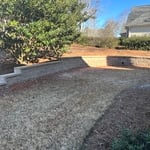
East Atlanta Junk Removal provides fast, reliable, and professional junk removal services throughout Atlanta and surrounding areas. We handle everything from single-item pickups to complete property cleanouts, including furniture, appliances, household junk, garage and basement cleanouts, yard debris, construction debris, move-out cleanouts, and commercial jobs.\n\nOur goal is simple: show up on time, work efficiently, respect your property, and leave your space clean and clutter-free. No job is too big or too small. Whether you’re a homeowner, renter, landlord, realtor, contractor, or business owner, we’re ready to help.\n\nContact East Atlanta Junk Removal for dependable service, fair pricing, and FREE estimates. Same-day and next-day service may be available.

3 neighbors recently requested a quote
Cleeflen junk removal
New to Angi
Landscape - Minor Grading or Resloping

Serving Luthersville, GA and surrounding areas

Approved

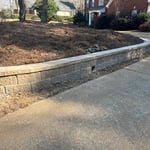
I’m the owner of Cleeflen Junk Removal, proudly serving Metro Atlanta and surrounding areas. We provide fast, reliable, and professional junk removal for homes, apartments, offices, property managers, and businesses.\n\nWe can help with furniture removal, appliance removal, garage cleanouts, apartment cleanouts, eviction cleanouts, yard debris, moving cleanouts, and general junk hauling.\n\nOur goal is simple: show up on time, provide fair and upfront pricing, and leave your space clean and clutter-free. We offer free estimates and flexible scheduling.\n\nCall or text Cleeflen Junk Removal at (678) 496-1905 for dependable service.

...
Showing 1-10 of 151
Excavating FAQs, answered by experts

Excavation is priced in cubic yards, so you’ll need to find the volume of the area in order to calculate costs. Multiply the length, width, and proposed depth of your excavation site, then convert it into yards to get the volume. Multiply this figure by the price per cubic yard.

Most homeowners can measure by hand to get a rough estimate, even if it’s tedious. You may want to pull out a tape measure or use a string to help mark the area.

The best type of soil to build on is a mixture of sand and clay, known as loam soil. Loam soil has the best combination of these soil types to build a foundation on. The clay particles help with water retention, so it won’t erode like sandy soil might, and the sandy particles help with drainage, so you won’t see unsafe soil expansion or have an increased risk of leaks from water sitting against your foundation.

A joint utility trench, or joint trench, is a long, buried ditch on a property that contains two or more utility lines rather than running the lines in multiple trenches. Some utilities, like gas and electric or electric and communication lines, are better suited to joint trenching, while others, like water and sewer, are not allowed to be in the same trench.

Trenching is a specific kind of digging. Trenching means digging a depression in the earth that’s deeper than it is wide, often with heavy machinery. Digging refers to any kind of removal of earth in order to create a human-made depression, hole, or cut in the earth’s surface. You can dig with big tools or even with just a hand shovel.

There is no standard depth for burying a septic tank; they are typically buried anywhere from 4 inches to 4 feet underground. The final depth depends on several factors, including the depth of your main sewer line, the height of the bedrock, soil type, local regulations, and the property's landscape. If you plan to grow grass or plants over the tank, a depth of at least 4 to 6 inches is recommended. Deeper tanks can be more difficult to locate, but a septic professional can help find it for you.

The Luthersville, GA homeowners’ guide to excavation services

From average costs to expert advice, get all the answers you need to get your job done.