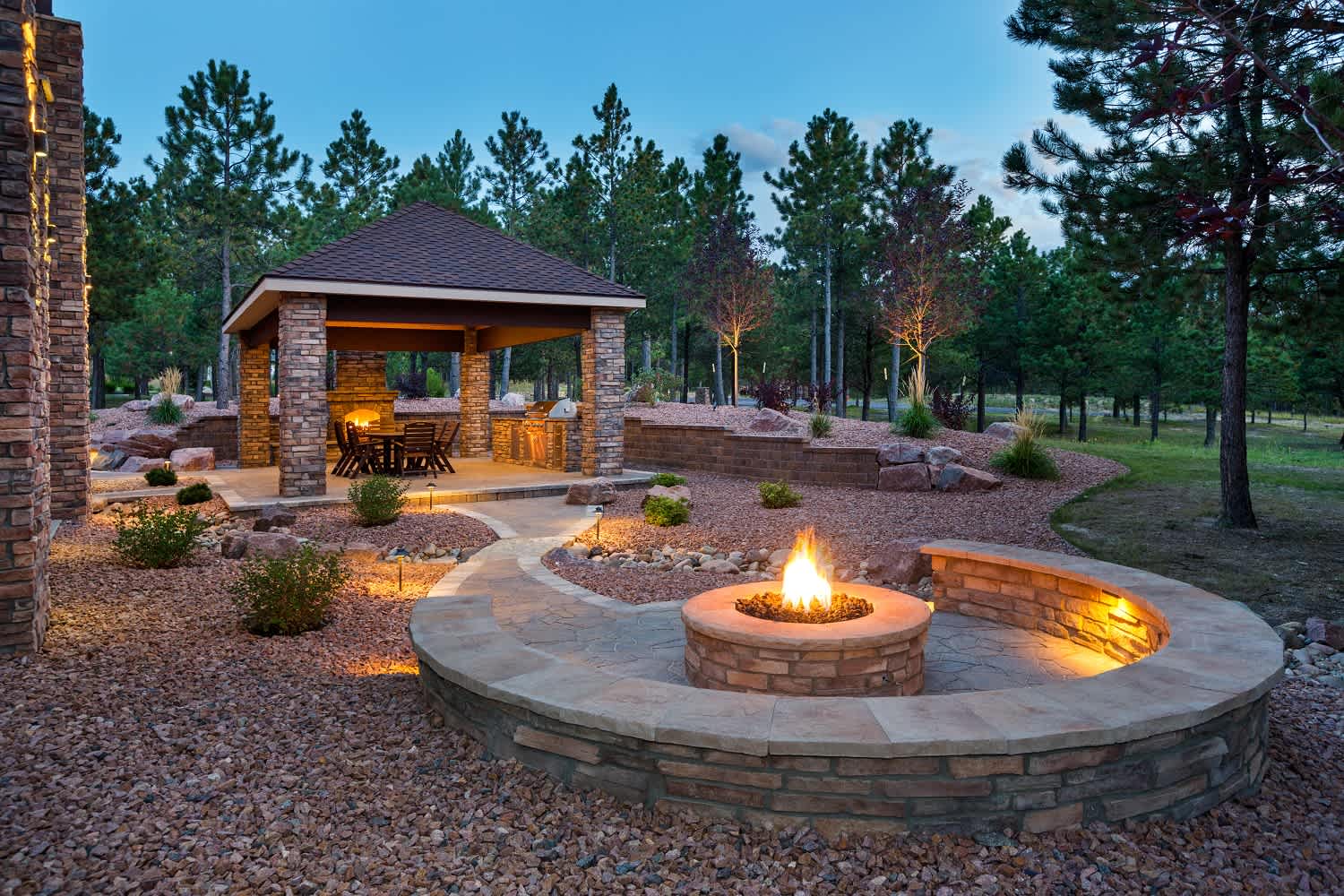





Top-rated fire pit installation pros.

Get matched with top fire pit installation pros in Columbus, GA

Enter your zip and get matched with up to 5 pros

Need a pro for your fire pit installation project in Columbus, GA?

Select your specific project to find the pro for you.

TRUSTED BY COLUMBUS, GA HOMEOWNERS

  • Average homeowner rating star icon4.4
    Average homeowner rating
  • Verified reviews icon217
    Verified fire pit installation services reviews

Find Fire pit installation pros in Columbus

No results for Fire pit installation pro in

Try adjusting your search criteria.
Fire Pit Installation questions, answered by experts

Start by checking the top or side edge of the door. Look for a certification label or metal tag stamped with details like the fire rating and information on the manufacturer. Even if it’s painted over, the tag should still be visible. Next, look along the edges for slim intumescent strips. They’re designed to swell up and seal gaps when exposed to heat. Finally, check if the door closes itself. Most fire doors have a self-closing mechanism, like an overhead closer or spring hinges. If none of these are obvious, contact a fire safety professional to help verify your door. 

A fireplace hearth is necessary in most areas per building codes, especially for gas and wood-burning fireplaces. Electric fireplaces may not require a hearth, so check local building codes or ask a pro for guidance if you’re leaning toward electric. A fireplace hearth can decrease the risk of flying embers creating a fire and burning your home down. That’s why fireproof material, like tile, is used for the hearth.

Pellet stoves burn compressed wood byproducts, making them very efficient and clean-burning. However, even efficient combustion still produces fine dust particles, which could have an effect on the health of vulnerable people in your household, such as infants and people with asthma. A wood stove pro can help determine whether the levels in your home are unsafe.

The short answer is yes, but the longer answer is more complex. Unless the fireplace is ventless by design, you’ll need some type of exhaust pipe system to safely send fumes and other harmful byproducts out of the house. Even then, ventless fireplaces are not always permitted because they do keep the byproducts inside of your house. Ventless fireplaces are safest when installed in spaces that are themselves well-ventilated, like large rooms with lots of windows.

Although no heating appliance can be entirely risk-free, a fireplace insert is considered a safer alternative to a traditional open fireplace, thanks to their enclosed design. With a sealed combustion chamber, a fireplace insert effectively reduces the risk of sparks and embers escaping into the room, minimizing the chance of an accidental fire.

Additionally, an insert comes equipped with various safety features, such as tempered glass doors that create a barrier between the flames and the surrounding space. This enhances both safety and energy efficiency by preventing heat loss. As an added bonus, many inserts are designed to meet strict safety standards that ensure proper ventilation and combustion.

The Columbus, GA homeowners’ guide to fire pit installation services

From average costs to expert advice, get all the answers you need to get your job done.