


Top-rated plaster repair specialists.

Get matched with top plaster repair specialists in Colbert, GA

Enter your zip and get matched with up to 5 pros

Need a pro for your plaster repair project in Colbert, GA?

Select your specific project to find the pro for you.

TRUSTED BY COLBERT, GA HOMEOWNERS

  • Average homeowner rating star icon4.4
    Average homeowner rating
  • Verified reviews icon23
    Verified plaster repairs reviews

Find Plaster repair specialists in Colbert

Avatar for Aro Drywall
Aro Drywall
5.0(
3
)

Serving Colbert, GA and surrounding areas

In business since 2021

Free estimates

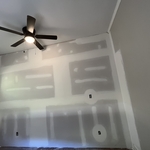
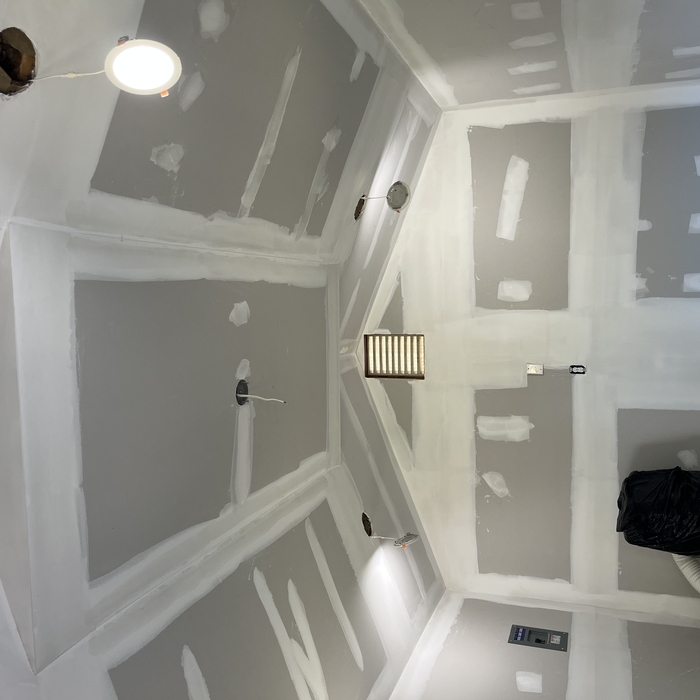
"a good experience, he was able to give me an estimate in less than 24 hours, the next day he started & we finished in the afternoon, it was a great patch but now it is not even noticeable"
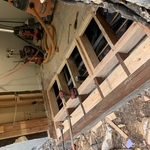
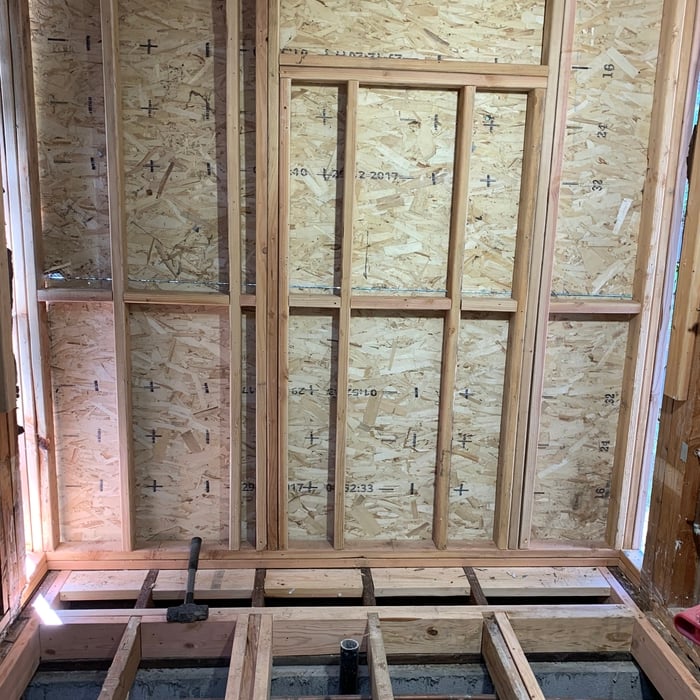
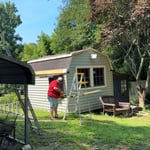
Cabin
Drywall Project
Drywall Project
Drywall Project
Drywall Project

+8

Recommended by100%of homeowners
Plaster Pros
New to Angi

Serving Colbert, GA and surrounding areas

In business since 2021

Free estimates

Emergency services offered

Plaster Pros is committed to excellence in every aspect of our business. We uphold a standard of integrity bound by fairness, honesty, and personal responsibility. Our distinction is the quality of service we bring to our customers. Accurate knowledge of our trade combined with ability is what makes us true professionals. Above all, we are watchful of our customers' interests, and make their concerns the basis of our business.

Showing 1-10 of 44
Plaster Repair questions, answered by experts

Repairing plaster walls or ceilings is almost always worthwhile. It restores the appearance of your home, and if it's an exterior wall, the repair can improve curb appeal and provide a great return on investment when selling. Plaster repairs can also reinforce the wall, preventing minor cracks from spreading, and improve your home’s energy efficiency by fixing gaps in the insulative material, potentially lowering your heating and cooling bills. Additionally, hiring a professional allows them to check if the damage is from a serious underlying issue, such as foundation instability. Catching a problem like this early could save you thousands.

Although they have similar applications, spackle and joint compound are not the same. Their primary differences lie in their composition, consistency, and ideal use cases.

Spackle is composed of gypsum and binding agents, making it thicker than joint compound. It dries quickly and is easy to sand, which makes it ideal for small wall repair projects like filling nail holes or patching minor damage.

Joint compound, also known as drywall mud, consists of limestone and gypsum. It is primarily used for large-scale projects, such as taping and finishing the seams on newly installed drywall. It tends to shrink more than spackle and can be more difficult to spread.

While both products can be used to fill small depressions and cracks, spackle cannot replace joint compound for taping and mudding new drywall. Conversely, you can often use joint compound for small patching jobs typically done with spackle.

Plaster walls typically last between 30 and 70 years, but depending on the quality of the materials and the moisture levels in the building, they can last for over 100 years. With expert application and consistent maintenance, plaster can even last for centuries. To extend its lifespan, it is important to have the plaster professionally installed, address any water damage promptly, and repair small cracks as they appear. Regular inspections by a professional can help identify and address concerning cracks before they become significant issues.

You can plaster over regular drywall, but it's essential to prepare the surface properly. Before plastering, the drywall should be clean, free of dust, and any loose or peeling paint should be removed. Applying a primer specifically designed for plastering can improve adhesion. Some professionals recommend applying a base coat of plaster or joint compound to create a better surface for the plaster to adhere to. Proper preparation ensures a smooth and durable plaster finish over regular drywall.

It may take a bit of patience and trial and error to match your particular drywall texture type when making repairs. For orange peel or knockdown finishes, use a spray texture product or a thinned joint compound applied with a roller or sponge. Practice on scrap drywall or cardboard first. Once dry, lightly sand and prime before painting.

The Colbert, GA homeowners’ guide to plaster repairs

From average costs to expert advice, get all the answers you need to get your job done.