Top-rated plaster repair specialists.

Get matched with top plaster repair specialists in Comer, GA

Enter your zip and get matched with up to 5 pros

Need a pro for your plaster repair project in Comer, GA?

Select your specific project to find the pro for you.

TRUSTED BY COMER, GA HOMEOWNERS

  • Average homeowner rating star icon3.9
    Average homeowner rating
  • Verified reviews icon15
    Verified plaster repairs reviews

Find Plaster repair specialists in Comer

Avatar for Hendry Home Repair and Renovation LLC
Hendry Home Repair and Renovation LLC
5.0(
15
)

Serving Comer, GA and surrounding areas

Approved

In business since 2016

Free estimates

Emergency services offered

"Aaron was on time , every time. On his first visit, I told him what I needed done. He listened to all of my concerns and we talked about them. We came to the best solutions. I could not have been more pleased with his workmanship and the outcome. I will be hiring him again."
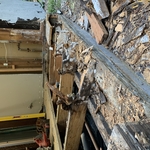
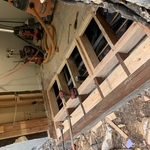
Rotted floor joist
Rotted joist
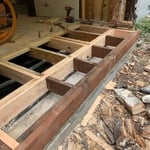
Floor joist repaired.
Repaired floor joist
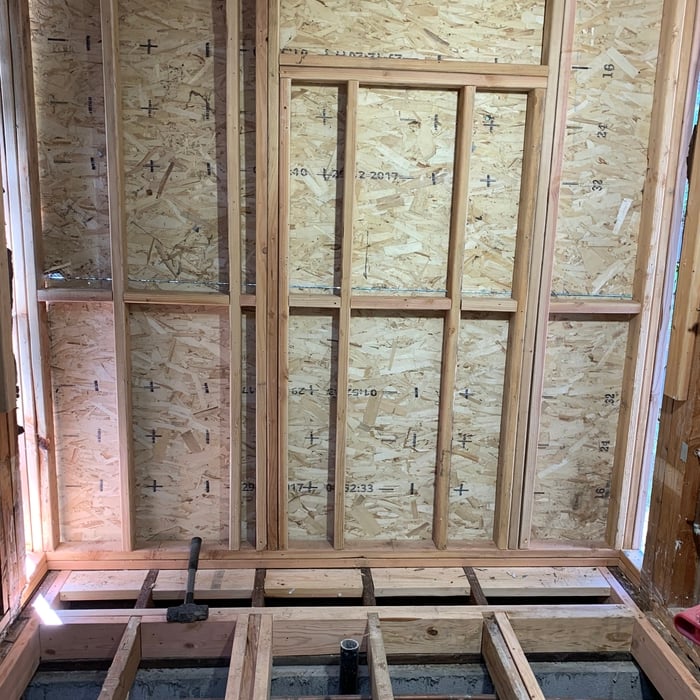
Exterior wall re-framed

+12

Response time7 hrs
Response rate88%
Recommended by86%of homeowners
Avatar for Aro Drywall
Aro Drywall
5.0(
3
)

Serving Comer, GA and surrounding areas

In business since 2021

Free estimates

"a good experience, he was able to give me an estimate in less than 24 hours, the next day he started & we finished in the afternoon, it was a great patch but now it is not even noticeable"
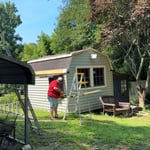
Cabin
Drywall Project
Drywall Project
Drywall Project
Drywall Project

+8

Recommended by100%of homeowners
Showing 1-10 of 36
Plaster Repair questions, answered by experts

All plaster walls will crack over time due to normal house settling and expansion and contraction from temperature and moisture changes. Small, thin hairline cracks are generally not serious and are mostly a cosmetic issue. However, larger or more significant cracks can indicate structural problems.

Here's how to tell the difference:

  • Cosmetic Cracks: Cracks that are 0.5 cm (0.2 inches) or thinner are typically cosmetic.

  • Structural Cracks: Cracks wider than 0.5 cm, excessive or deep cracks, multiple cracks in the same area, or cracks that span around corners can signify a structural or foundation issue. Cracks along the joints where walls meet the ceiling also warrant attention.

For cracks wider than 0.5 cm, structural repair is needed. If a crack is 2.5 cm (1 inch) or wider, or if you notice any signs of a structural problem, it is best to contact a plaster repair professional to assess the damage.

Although they are used for similar tasks, spackle and joint compound are not the same. Joint compound, also known as drywall mud, consists of limestone and gypsum and is primarily used for large-scale projects like taping and finishing seams on new drywall. Spackle is composed of gypsum and binding agents, making it a thicker compound best suited for small wall repairs like filling nail holes or cracks, as it dries quickly and is easy to sand. For small repairs, either product can be suitable. However, you can use joint compound for small jobs in place of spackle, but you cannot use spackle for large-scale taping and mudding projects.

It depends on the construction of your wall. Most handypeople can fix small holes in drywall. If your wall is plaster or brick, more significant damage may require a drywall contractor or a mason. Hiring a handyperson costs less than a more specialized type of contractor, but they’re not trained in all types of wall repairs.

Depending on how much adhesive was used as well as the strength of the adhesive, you may have some drywall damage when removing a mirror. You can typically repair most drywall damage if it’s small by sanding the damaged area, applying spackle to smooth the damaged section so it’s flush with the rest of the wall, and repainting the area.

The short answer is yes, a sagging plaster ceiling is dangerous. Sagging plaster on a wall is something you should fix immediately, but it isn’t a major concern. If the same type of sagging occurs on a ceiling, however, you could be in danger of your ceiling falling in large chunks. When plaster sags, it loses its strength and ability to hold itself up. The bonds that hold it together are strong, though, so if a sagging area falls, it will take large pieces down with it.
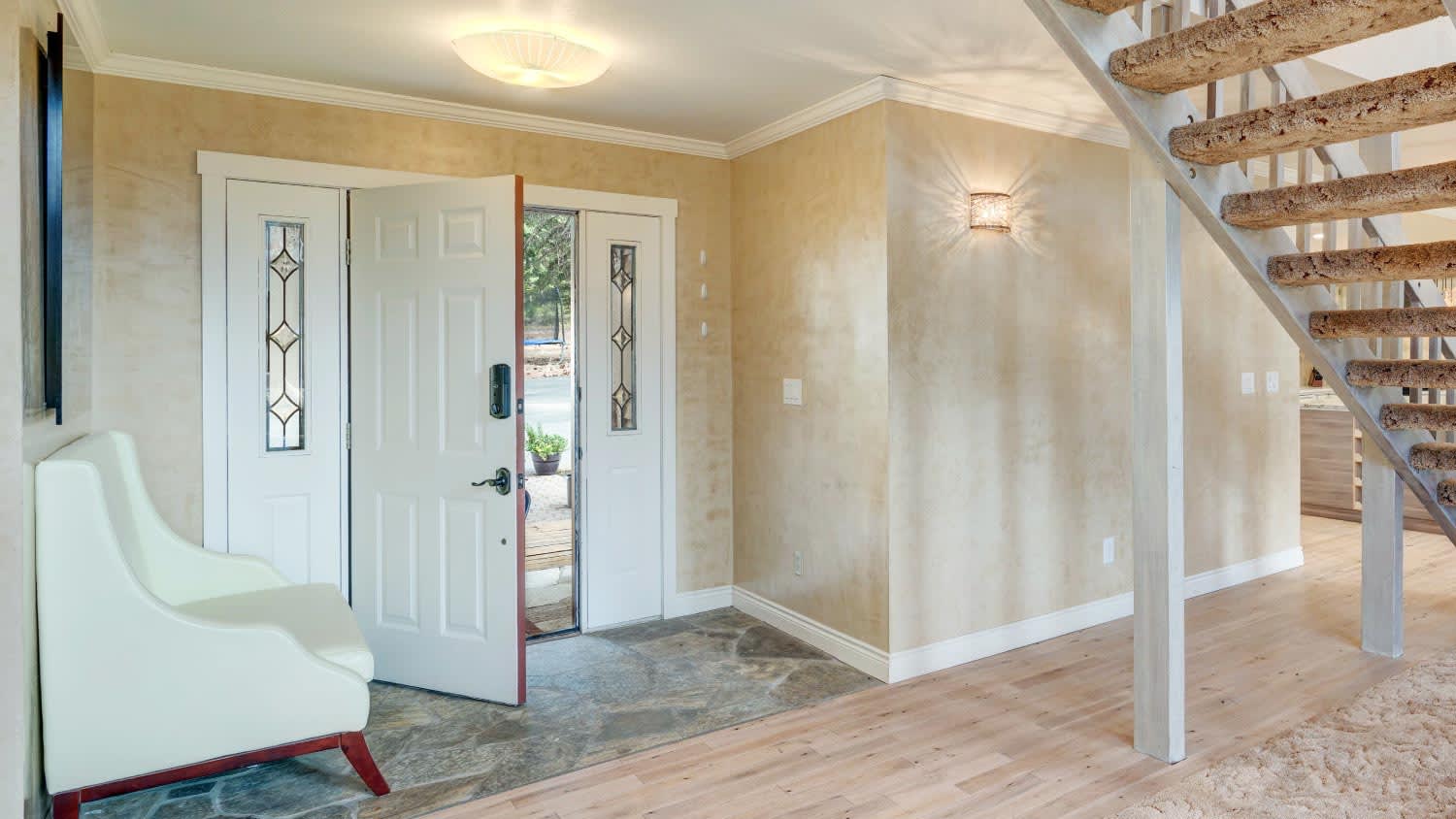
The Comer, GA homeowners’ guide to plaster repairs

From average costs to expert advice, get all the answers you need to get your job done.