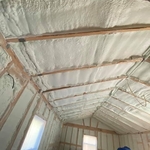




Top-rated insulation pros.

Get matched with top insulation pros in Youngstown, FL

Enter your zip and get matched with up to 5 pros

Need a pro for your insulation service project in Youngstown, FL?

Select your specific project to find the pro for you.

TRUSTED BY YOUNGSTOWN, FL HOMEOWNERS

  • Average homeowner rating star icon4.6
    Average homeowner rating
  • Verified reviews icon211
    Verified insulation services reviews
Insulation questions, answered by experts

At a minimum, blown-in insulation lasts 20 to 30 years. Cellulose and sheep’s wool come from natural materials, so they likely max out at around 30 years. Fiberglass and rockwool feature artificial materials that boast lengthy lifespans, up to 50 years, or even longer in some cases. As always, this timeline assumes you don’t run into any issues, such as flooding or mold, that shorten the lifespan.

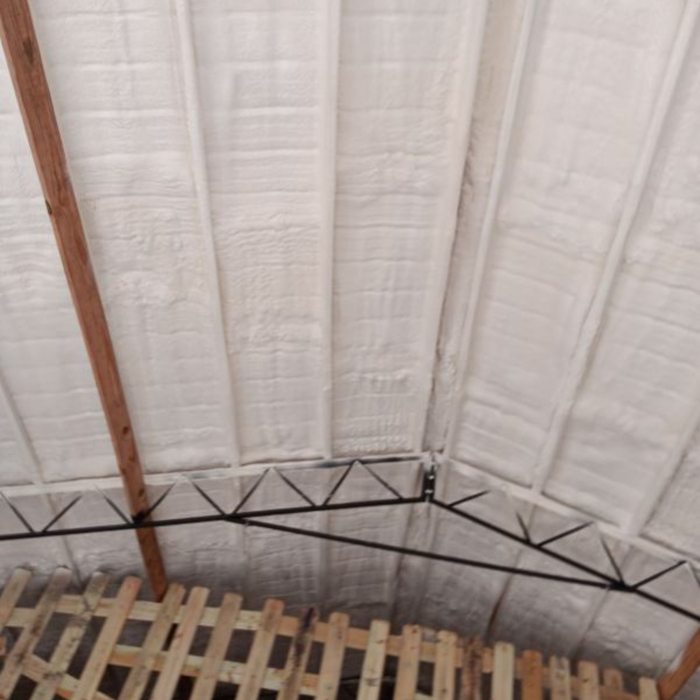
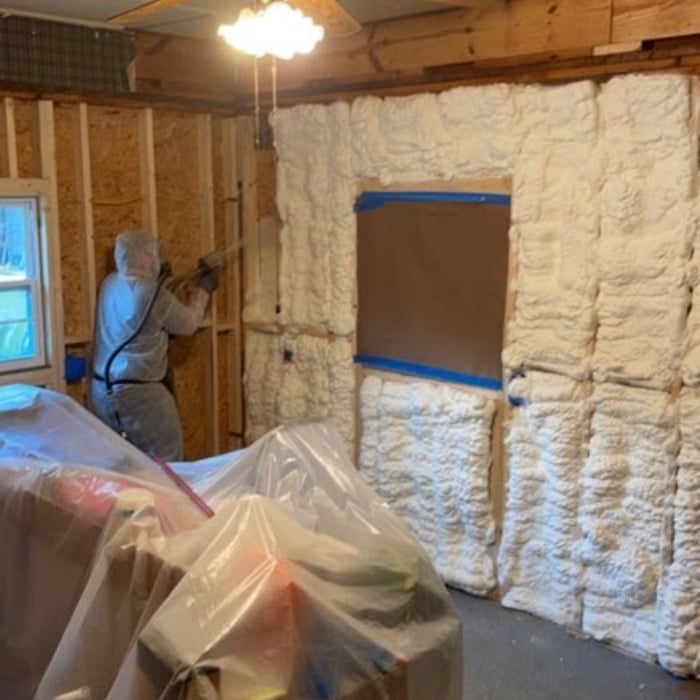
Spray foam is a highly effective insulative material that can dramatically reduce your energy bills and create a more comfortable living space. It does have a couple of drawbacks, however. First and foremost, spray foam insulation is much more expensive than fiberglass batt insulation. In addition, spray foam insulation is a dangerous chemical material; this is a project that is best left to pros for proper and safe installation.

To cover your HVAC ducts and air vents during construction, use plastic sheets or drop cloths secured with painter's tape. Be sure to cover all supply vents on your floors and walls, as well as the larger HVAC return vent, which is typically on the ceiling. While canvas drop cloths can also be used, they may not catch all the fine dust. It is crucial to shut off your HVAC system or at least the zone where construction is happening. Running the system with vents sealed can put significant strain on the blower motor and air handler. For additional dust containment, you can also hang plastic sheets over doorways to separate the construction area from the rest of your home.

R-30 insulation is better for higher thermal resistance, but whether it’s "better" depends on the application. R-30 is much thicker and suited for areas like attics or floors in cold climates, where more insulation is required. R-13, on the other hand, is thinner and works well for 2x4 walls or milder climates where less insulation is sufficient. Choosing between R-13 and R-30 depends on the area being insulated and the climate. For example, R-30 provides more insulation but may not fit everywhere in your home.

Structural insulated panels and rigid foam boards have the highest R-value of any insulation that contractors commonly use, with R-values reaching up to around 8.0. These types of insulation are best in extremely cold climates, but they’re generally preferred for new construction, as they can be challenging to retrofit. Blown-in and loose fill insulation provide the next best insulative value, provided the installation is done properly. It’s important to choose an insulation type that meets your needs based on climate, as maximizing R-value may not always be financially worthwhile if you live in a moderate climate.

The Youngstown, FL homeowners’ guide to insulation services

From average costs to expert advice, get all the answers you need to get your job done.
What do you need done? We’ll find top pros.
  • 🌱 "Mow a small front yard"
  • 🛠 "Fix a leaking pipe under the sink"
  • 🏠 "Repair shingles on an asphalt roof"