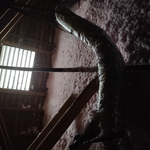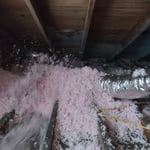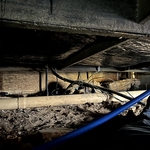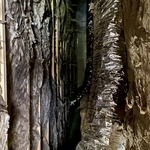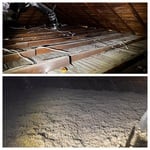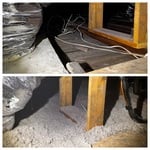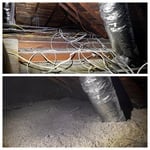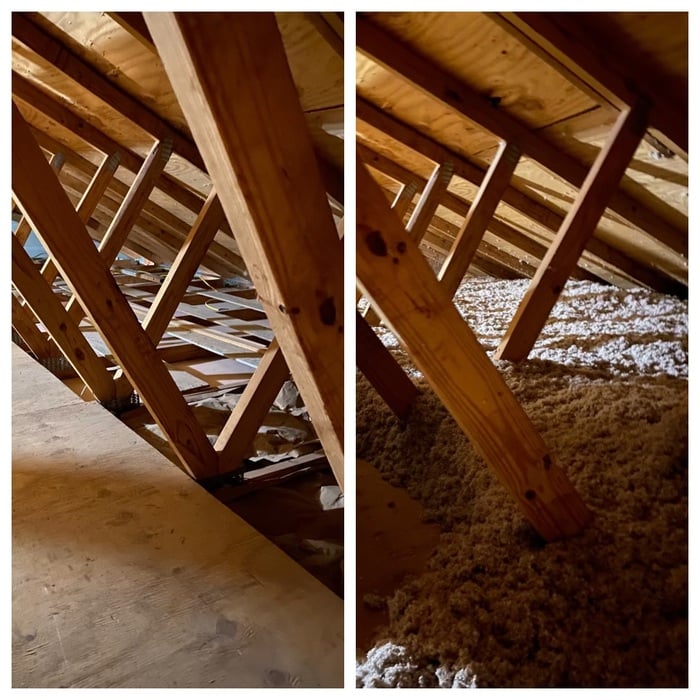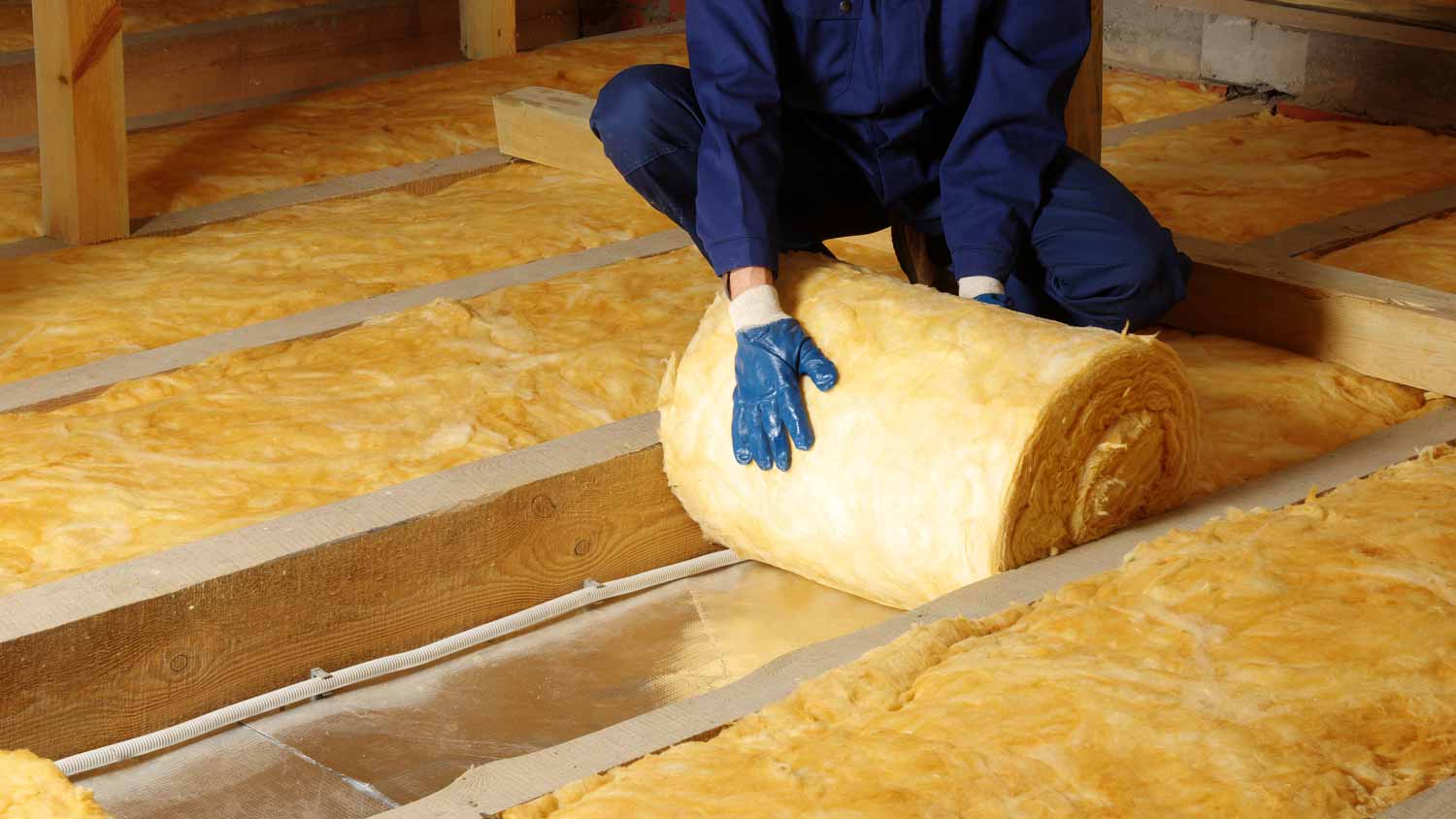










Most homeowners installing blown-in insulation as a one-off DIY project should simply rent a blower. They tend to be very heavy, and contractor-grade machines can cost $13,000 to $16,000.
The R-value is a rating that measures an insulation's thermal resistance—in other words, how well it insulates. A higher R-value provides more protection for your pipes, and all pipe insulation materials should have an R-value listed on the product description or label. Each insulation type has its own R-value, which typically falls between one and five for most pipe insulation. When making a selection, Energy.gov recommends choosing a pipe wrap that is at least one inch thick, and the International Code Council (ICC) suggests choosing a material with an R-value of at least 3.
The most energy-efficient windows are double—or triple-pane windows with low-emissivity (Low-E) coatings and gas fills between the panes. These windows reduce heat transfer, prevent drafts, and help maintain a consistent indoor temperature. But if replacing windows isn’t in your budget, pairing your existing windows with insulating window treatments can still make a noticeable difference in home comfort and monthly bills.
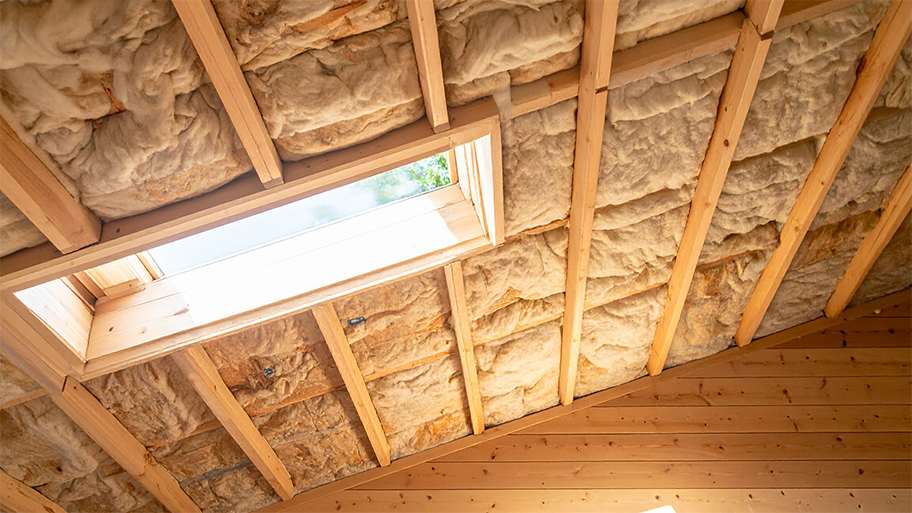
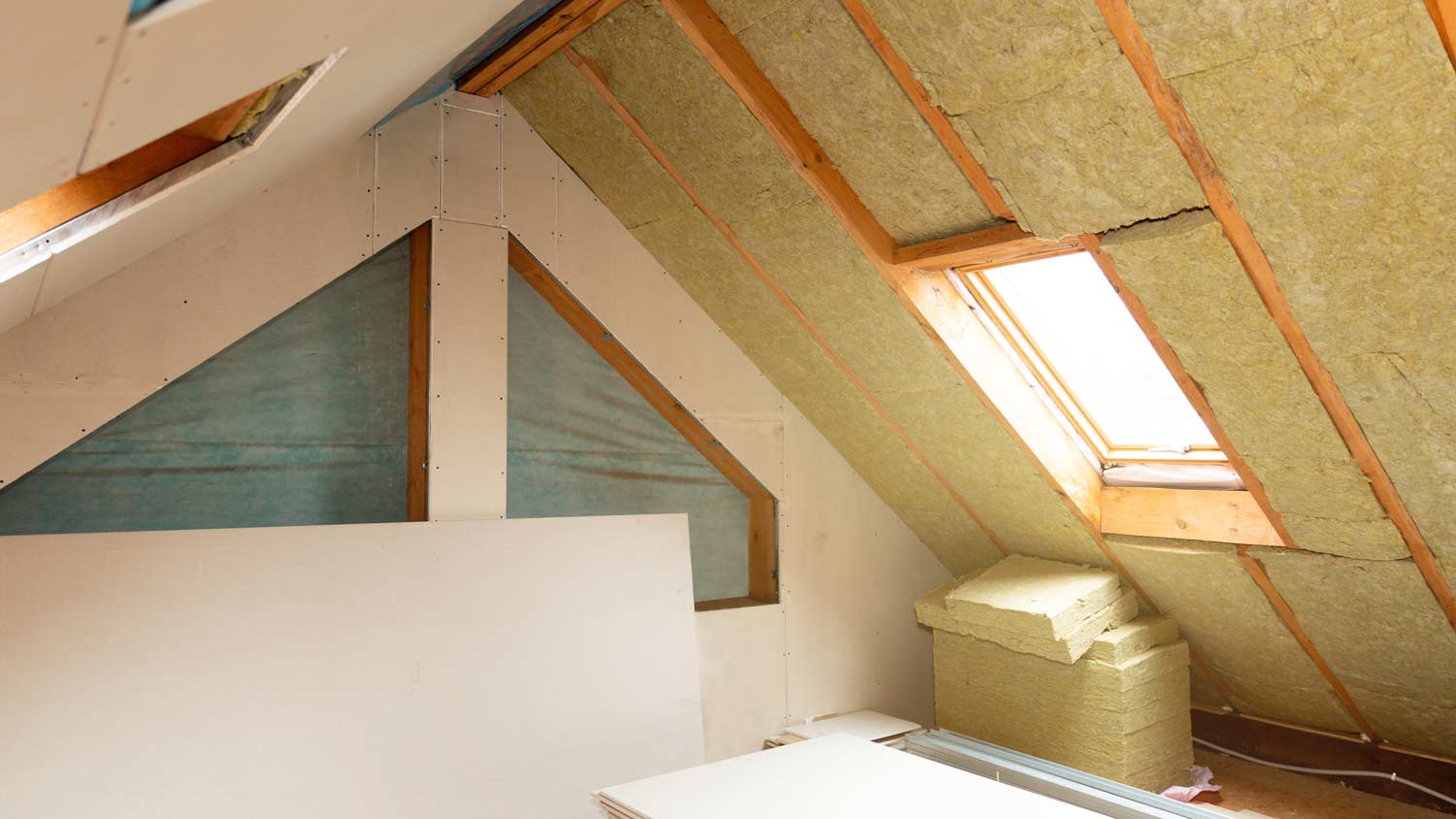
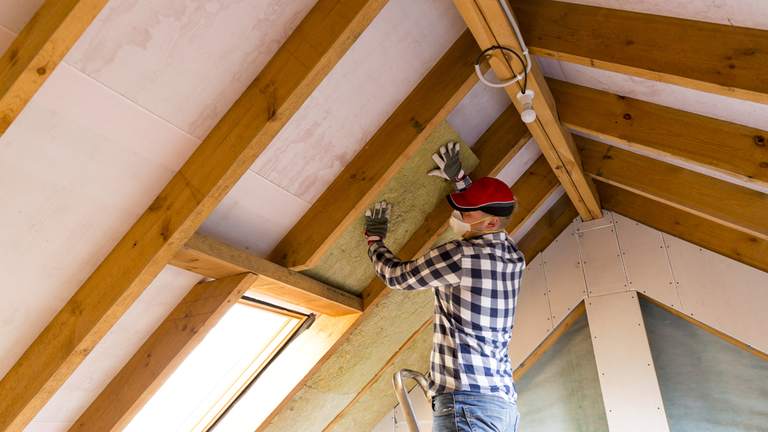
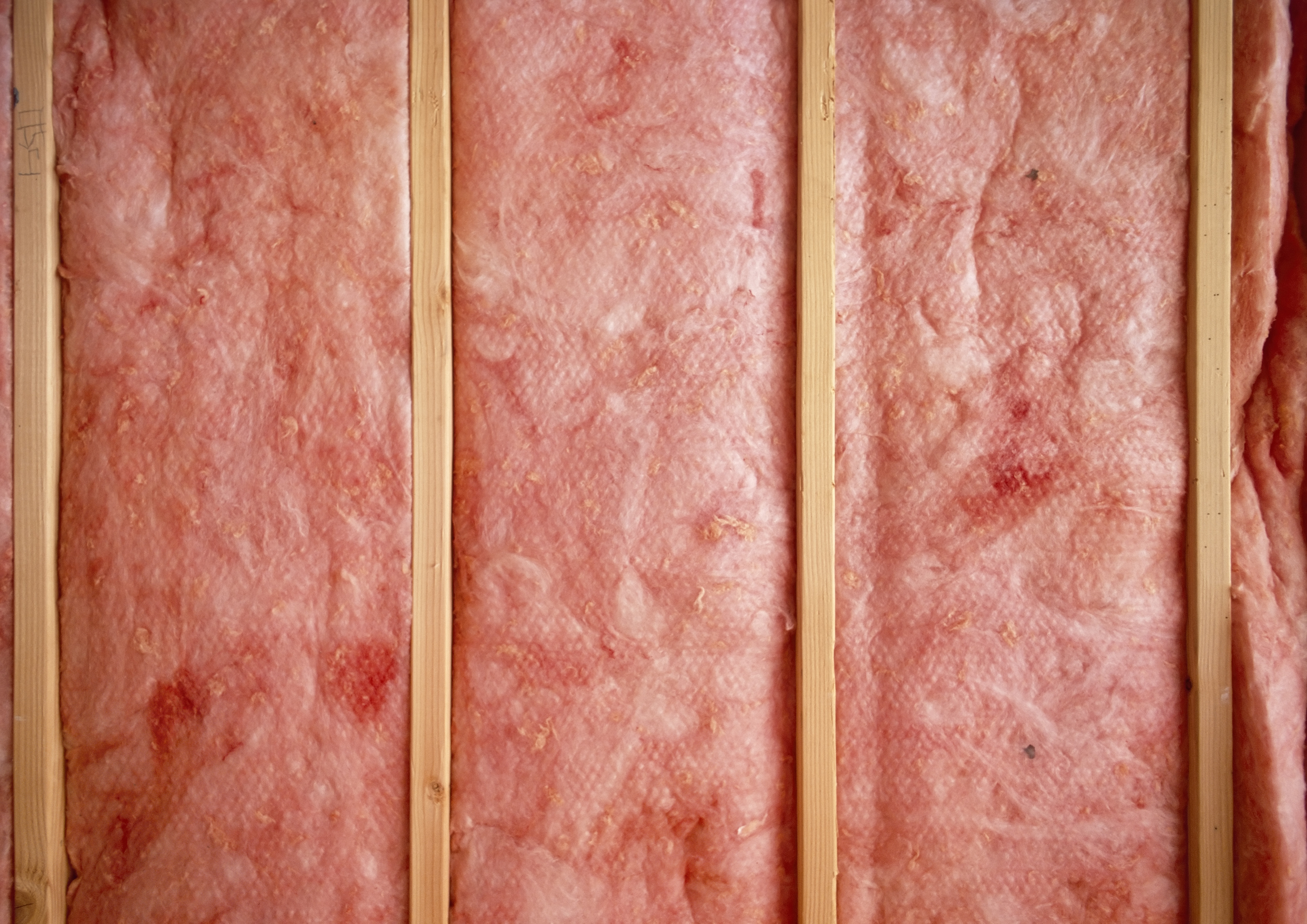
You do not always need to remove old insulation before adding new. If the existing insulation is in good condition—not wet, physically damaged, moldy, or infested with pests—you can add new insulation directly on top of it for a compounding effect. You can also mix different types, such as adding blown-in insulation around existing fiberglass batts.
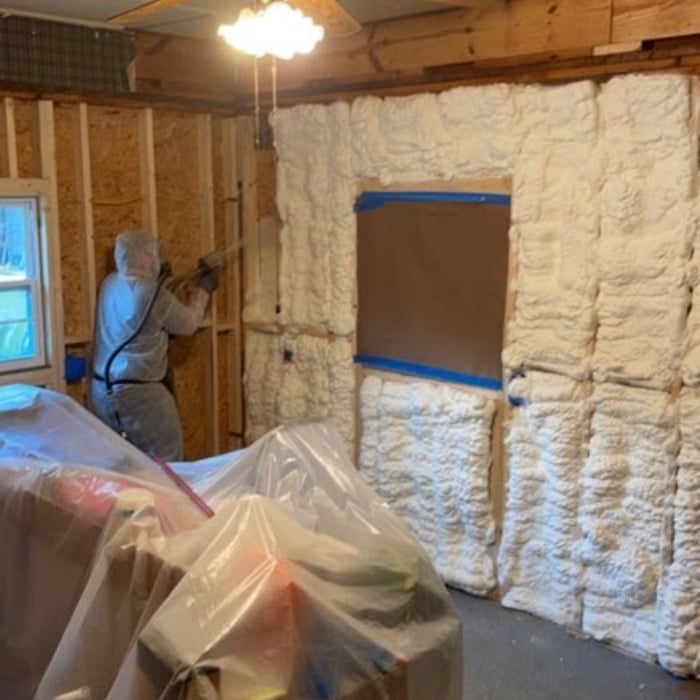
However, removal is recommended if the old insulation is compromised by water damage or pests. You should also remove it if you plan to install a different type of insulation, like switching from roll or batt insulation to spray foam. If the existing insulation is very old or damaged, you will likely get more benefit from removing it and starting fresh.
Insulating a detached garage won't reduce your home's heating or cooling bills—and insulating an attached garage will only have a small effect on your home's energy efficiency. However, insulating an attached garage can reduce the transfer of heating and cooling to and from the outdoors, which can reduce the amount of energy your home needs to stay comfortable. Also, having an insulated garage is just more pleasant. Balance the cost of insulating your garage with how you'll use the space to determine if the project is worth it.
The Bristol, FL homeowners’ guide to insulation services
From average costs to expert advice, get all the answers you need to get your job done.
If your home’s temperature is uncomfortable or your energy bill is spiking, you should check your insulation. We'll help you find out if you should replace it.

Learn how to decide if your home needs dryer vent insulation to protect your vent from drafts and moisture that can make your energy usage less efficient. Poorly ventilated dryer vents also increase mold risks!