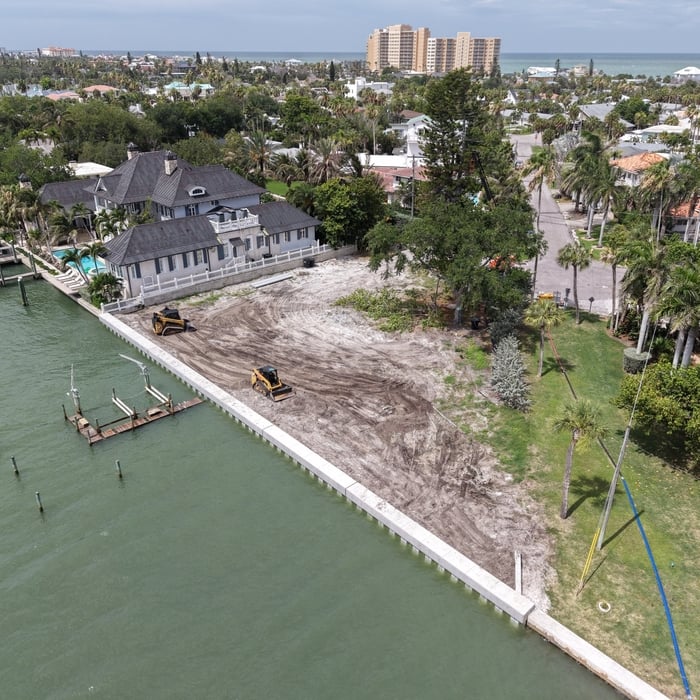






Top-rated excavation pros.

Best excavation pros near San Antonio, FL

Enter your zip and get matched with up to 5 pros

Need a pro for your excavation project in San Antonio, FL?

Select your specific project to find the pro for you.

TRUSTED BY SAN ANTONIO, FL HOMEOWNERS

  • Average homeowner rating star icon4.9
    Average homeowner rating
  • Verified reviews icon44
    Verified excavation services reviews

Top-Rated Excavation pros in San Antonio - Updated Nov 2026

Avatar for AllJax, Inc.
AllJax, Inc.
5.0(
5
)
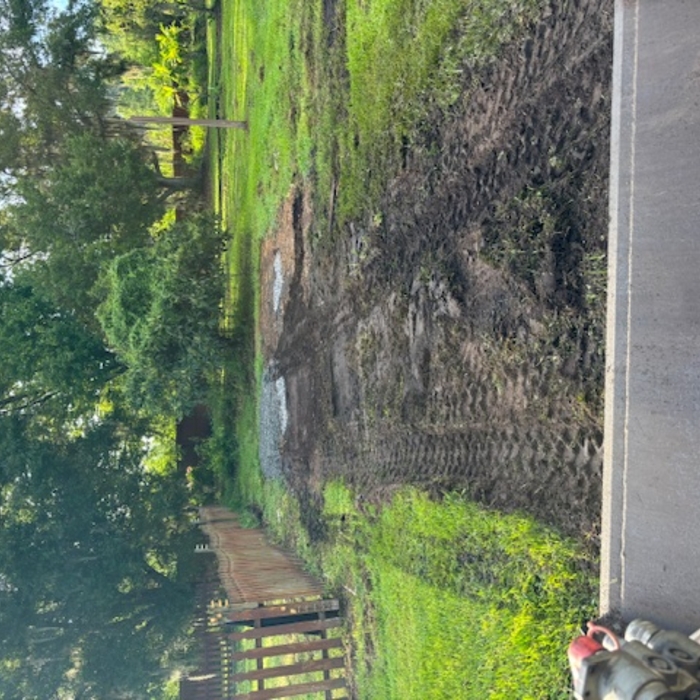
Building Site - Preparation and ClearingBuilding Site - Preparation and Clearing - For BusinessExcavation - Major Grading or Resloping+2 more

Serving San Antonio, FL and surrounding areas

Approved

In business since 2017

Free estimates

Emergency services offered

AllJax, Inc. is a locally Owned & Operated Company, by an Active Air Force Reservist. We pride our company on reliability, great communication, integrity, and quality work. We strongly believe in giving our absolute best in all of our projects no matter how big or small. We take pride in servicing our home town of Pasco County and it's surrounding areas of the Tampa area. \nTo contact us directly, Please call/text (727)457-5380 or Email [email protected] \n

 AllJax, Inc.
Site Preparation
Site Preparation
Tree Removal
Grading Work

+1

5 neighbors recently requested a quote

Timber Q's Tree Service
4.9(
6
)
Building Site - Preparation and Clearing

Serving San Antonio, FL and surrounding areas

Approved

Super Service Award Winner

In business since 2024

Free estimates

Offers commercial services

"WE were totally impressed with Timber Q's. In fact we wound up using them twice. The first was after a storm when we had limbs fall i our yard. We had them back to remove an extremely tall tree that was rotten from the inside and we were fearful it would Falkland do serious damage. Both times, Quinten and his crew did an excellent and thorough job! We were totally impressed. Moreover, they arrive on time and left everything cleaned up."
Response time7 hrs
Response rate86%
5 neighbors recently requested a quote

Avatar for Turf Bender Landscaping
Turf Bender Landscaping
5.0(
5
)
Landscape - Minor Grading or Resloping

Serving San Antonio, FL and surrounding areas

Approved

Free estimates

Emergency services offered

Warranties offered

Turf Bender Landscaping provides dependable lawn care and landscaping services to keep your property looking its best. From mowing, edging, and yard cleanups to landscape maintenance and specialty projects, we’re ready to help with your outdoor needs.

...
Showing 1-10 of 205
Excavating FAQs, answered by experts

Yes, trenchers can go through gravel. Gravel is made up of smaller, softer rocks that certain trenchers are able to cut through. Just be sure to use a rock wheel trencher or chain trencher, both of which are made to cut through rocky landscapes and gravel pathways without dulling the teeth or chain.

You can dig 60 to 80 linear feet by hand per day depending on the depth. Digging a 100-foot trench by hand will take you two work days, but it can take longer if you have heavy or rocky soil. If you’re digging a deep trench or one that’s over 100 feet, consider renting a mechanical trencher, such as a walk-behind or ride-on, or calling a pro for help. 

Slab foundations are more affordable than crawl spaces because they require minimal excavation, as the slab sits directly on the ground or on footers that only sink a few feet into the ground. Crawl spaces require excavation of the entire footprint of the home to several feet below the surface. Not only does that mean higher labor costs, but more materials are necessary for the concrete foundation walls.

Septic drain lines (or leach lines) are typically buried between 18 and 36 inches underground, and should be at least 6 inches below the surface. These pipes are perforated and surrounded by filtering materials like sand or gravel. Burying the lines at this depth helps minimize odors and allows bacteria and other biological processes in the soil to effectively treat the wastewater. Burying lines too close to the surface can cause issues unless the soil is very compact and stable.

To locate an underground downspout, you should start by identifying where the above ground gutter drains. Look for an entry point, such as a pipe or elbow leading into the ground. Follow the surface path for signs like depressions, landscaping disruptions, or wet areas after rain. You can use a metal detector or plumber’s snake to trace the pipe underground. For deeper pipes, a professional locator tool or camera inspection may be necessary. Visual markers or utility maps can also guide the search.

The San Antonio, FL homeowners’ guide to excavation services

From average costs to expert advice, get all the answers you need to get your job done.