







Top-rated deck cleaning pros.

Get matched with top deck cleaning pros in Parkland, FL

Enter your zip and get matched with up to 5 pros

Need a pro for your deck cleaning project in Parkland, FL?

Select your specific project to find the pro for you.

TRUSTED BY PARKLAND, FL HOMEOWNERS

  • Average homeowner rating star icon4.4
    Average homeowner rating
  • Verified reviews icon1k+
    Verified deck cleaning services reviews

Find Deck cleaning pros in Parkland

Avatar for Jesus Vanegas
Jesus Vanegas
4.8(
44
)
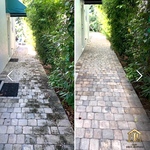
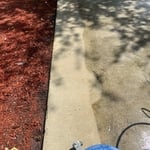
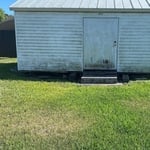
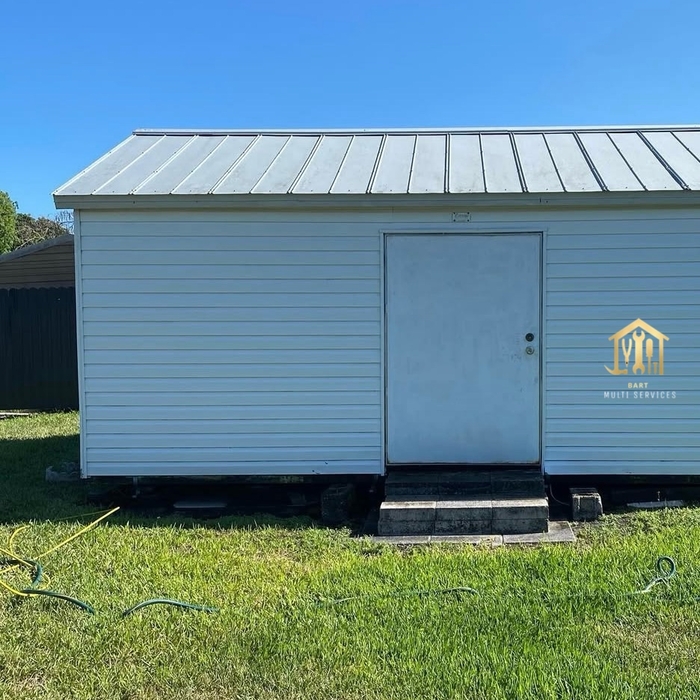
Deck, Fence, Patio or Porch - Clean and SealDeck, Fence, Patio or Porch - Clean and Seal - For Business

Serving Parkland, FL and surrounding areas

Approved

In business since 2008

Free estimates

Customers say: True professional

"He came by within the hour in the evening, ran to a famous home appliance store to get the part, fixed my door, and then fixed my storm door which I did not even ask him to. Efficient, polite, pleasant, clean, wore a mask the whole time. Would definitely recommend it."
Staircase Job
Staircase Job
Staircase Job
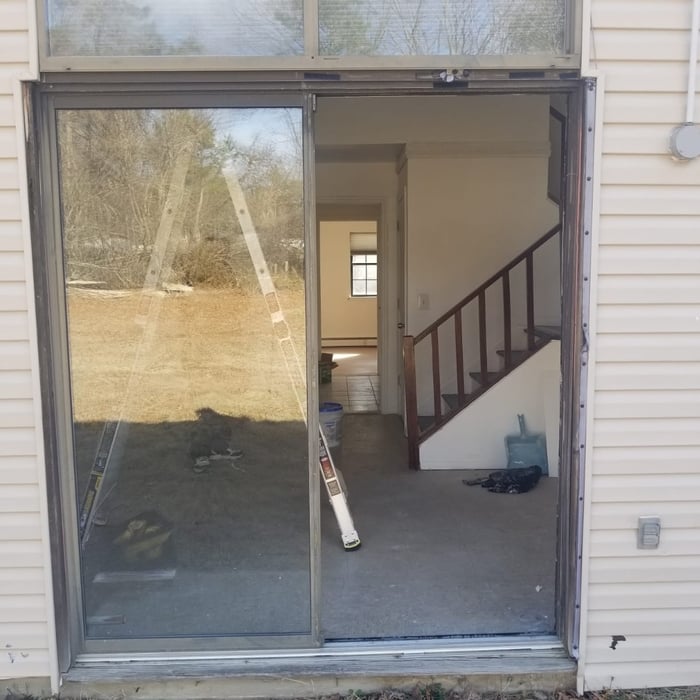
New Door
Old Door

+44

Response time1 day
11 neighbors recently requested a quote
Recommended by100%of homeowners

Avatar for CBauso Realty llc
CBauso Realty llc
5.0(
6
)
Deck, Fence, Patio or Porch - Clean and SealDeck, Fence, Patio or Porch - Clean and Seal - For Business

Serving Parkland, FL and surrounding areas

Approved

"I need my yard maintained while my home is up for sale and he was there on the spot to assess the situation. Back the next morning and took care of everything and it looks great. Thank you so much.!! very fast and efficient. Great job.!"
24 neighbors recently requested a quote
...
Showing 1-10 of 329
Deck Cleaning questions, answered by experts

Most building codes require that railing spindles (also known as balusters) on decks or stairs be spaced no more than four inches apart. This safety standard is often called the '4-inch sphere rule,' which means a sphere with a 4-inch diameter should not be able to pass through the opening between balusters. This rule is in place to prevent small children and pets from slipping through the railing. For the same reason, the space between the bottom rail and the deck or floor surface should also be no more than four inches. As a general guideline, professionals often install three balusters per foot of railing. However, since specific requirements can vary by location, it is essential to check your local building codes to ensure compliance before starting your project.
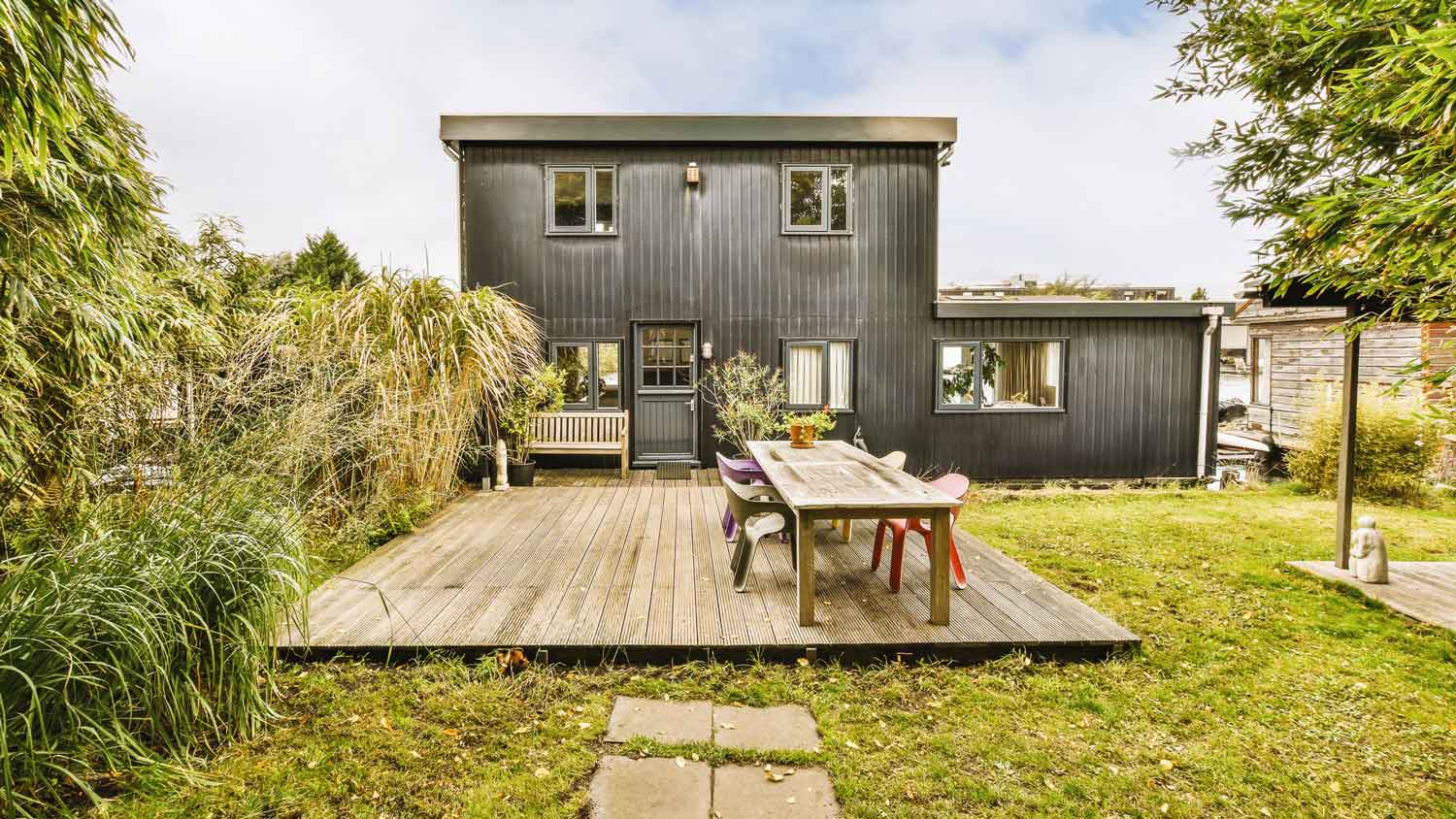
Building codes for deck railings can vary by location, so it's important to consult your local regulations before construction. Generally, a guardrail is required for any deck that is more than 30 inches above the ground.

For residential properties, the standard minimum height for a deck railing is 36 inches. However, some states and municipalities have stricter requirements; for example, California and Washington mandate railings that are at least 42 inches high. Therefore, a 42-inch railing is not considered too high and may be required in your area or chosen voluntarily for additional safety.

In addition to height requirements, codes also specify other safety features, such as the maximum spacing between balusters to ensure they are close enough to prevent a child from squeezing through.
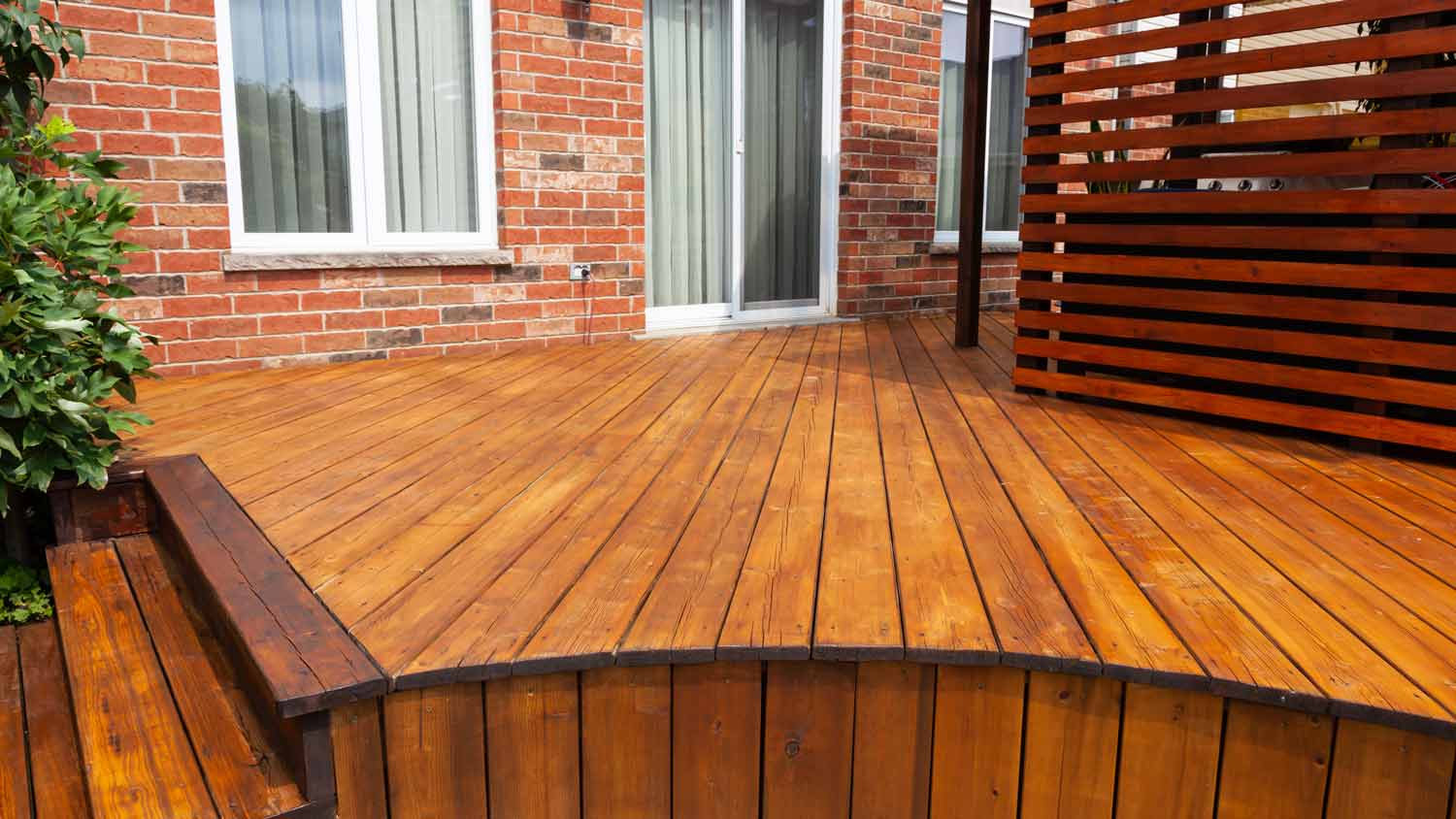
Floating decks are a cost-effective and versatile option, but they come with some compromises. Since they sit on smaller footings instead of being deeply anchored, they’re more likely to shift over time, especially in areas with heavy rainfall or freeze-thaw conditions. Their low-to-the-ground design makes them more susceptible to moisture buildup and potential water damage.
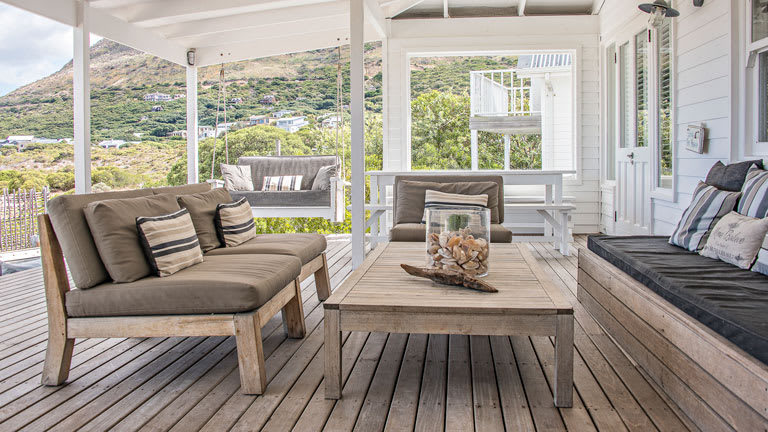
A deck doesn’t have to be perfectly level. Many pros even recommend a gentle slope to ensure proper drainage and increase longevity. The ideal gentle slope is about 1/8 to 1/4 inch per foot away from the property, leading water away from the home to prevent pooling and reduce the risk of damage. It also minimizes rot, mold, and other moisture-related problems. 

The best base materials for a ground-level or floating deck are typically gravel and crushed stone (also known as landscaping rocks). These options are inexpensive, provide excellent drainage, prevent weeds, and help minimize moisture buildup, which reduces shifting and rotting. For added stability and to evenly distribute the weight, you can use concrete deck blocks or pavers. While more expensive, concrete blocks and pavers offer a sturdier base than gravel or crushed stone alone.

The Parkland, FL homeowners’ guide to deck cleaning services

From average costs to expert advice, get all the answers you need to get your job done.