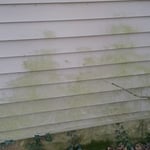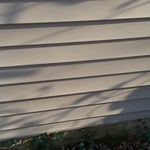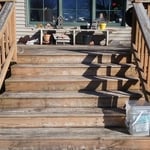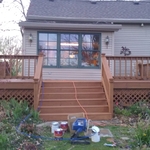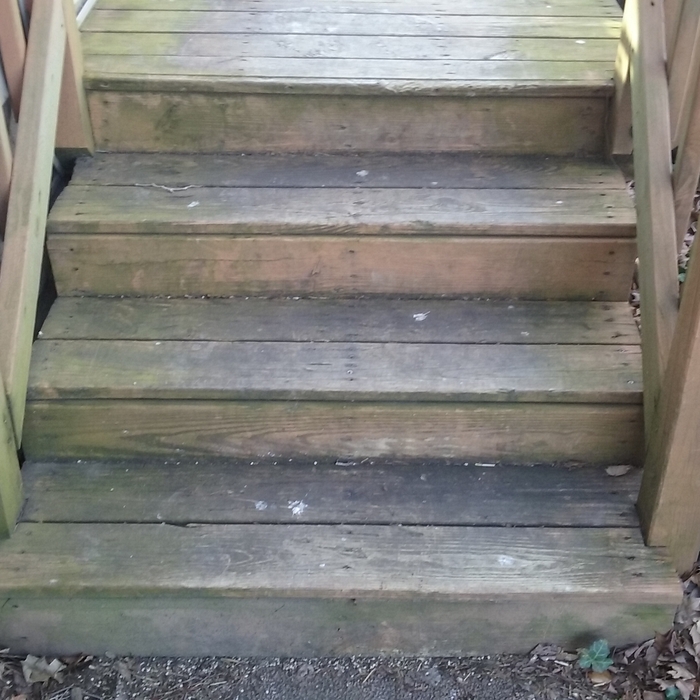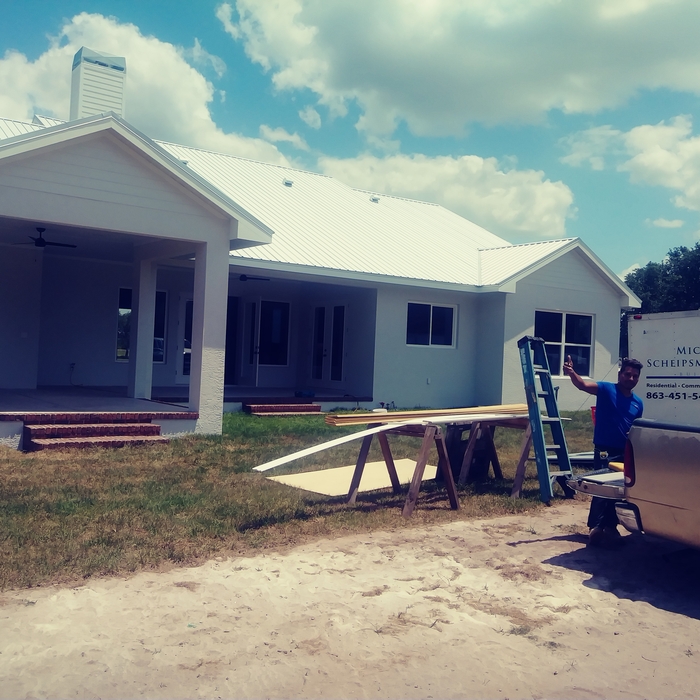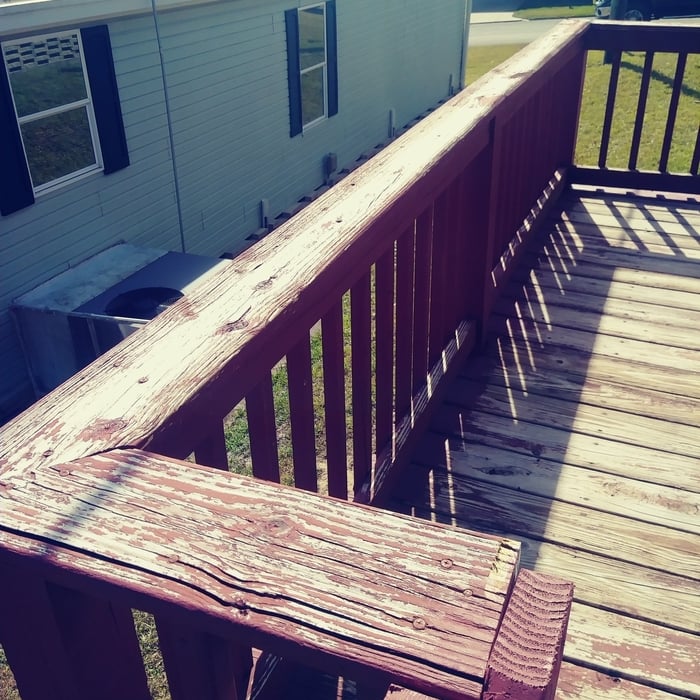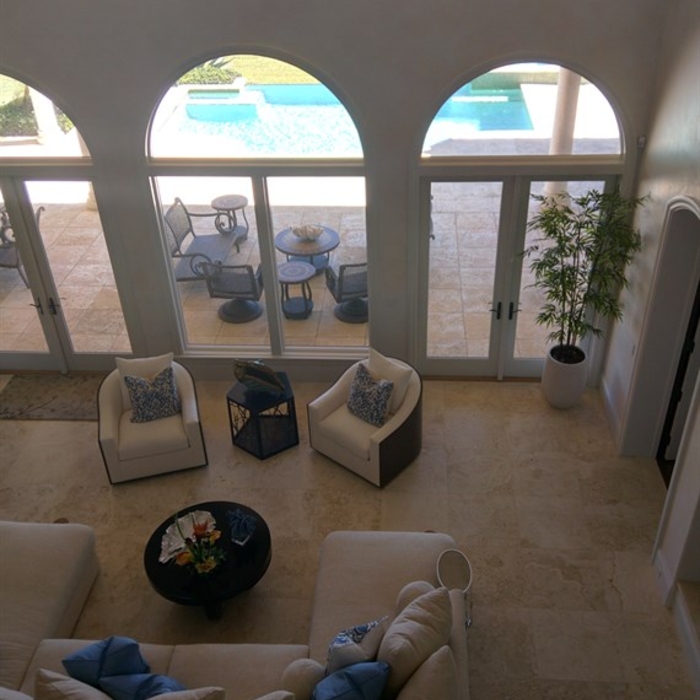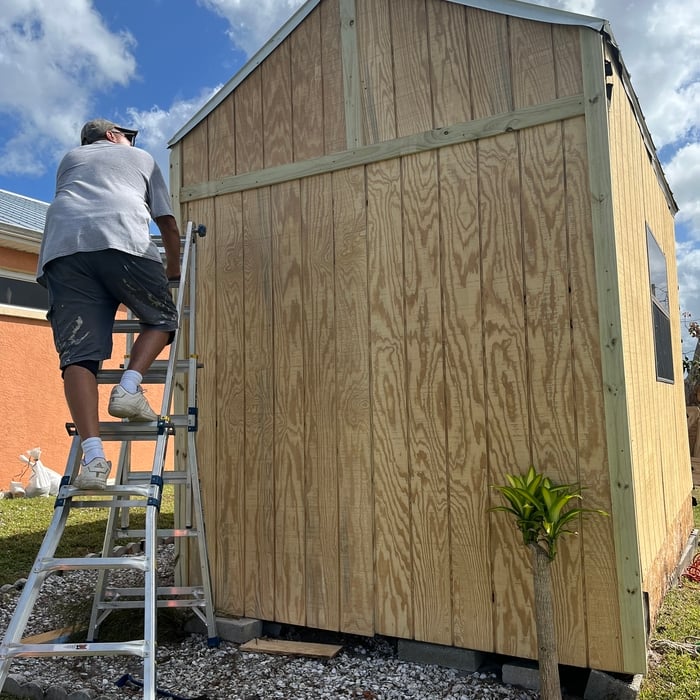






"James and his crew did a great job at my Mom's home in Sebring. They pressure cleaned the pool deck and then sealed and painted it. They informed me everyday what they would be doing, were very professional, and the deck looks like new. I would highly recommend them."
"Gilbert and Daniela were pleasant to work with on a one-time move out cleaning. They came in and went right to work. They left everything clean and smelling wonderful. I highly reccomend them for cleaning or handyman services."
"it went great. Luke is a very nice young man. he did a great job. he is very neat and clean with his work and himself. he came on time and he didn't waste time. I highly recommend him. I'm very happy with my freshly painted rooms."
"TOP QUALITY-arrived on time, professional install and great clean up. Quite frankly, you can't ask for more of a fine contractor like Aquatic Specialist. The owner,/manager, JR, delivered on his promises and was quite pleasant-easy to get along with."
"Christian came to preform the work that was asked and conducted himself very professionally. I would highly recommend him to others and we will Be using Smith Surface Cleaning again in the future!"

You do not have to dig footers for a deck as long as it meets local code and holds up to weather in your area. If you live somewhere that experiences high winds and earthquakes, you may need to dig for your deck posts. Deck blocks, post anchors with base plates, and helical pile systems are the three no-dig deck post options you can choose from if local code permits.
While experienced DIYers may take on the challenge, hiring a licensed professional is often the best route, especially for larger or elevated structures. A local deck contractor is typically the best pro for the job, as they have specialized experience and are knowledgeable about local building codes, ensuring your deck is built safely and designed to last. Other professionals who can build a deck include general contractors and carpenters, who may be more readily available in some regions.
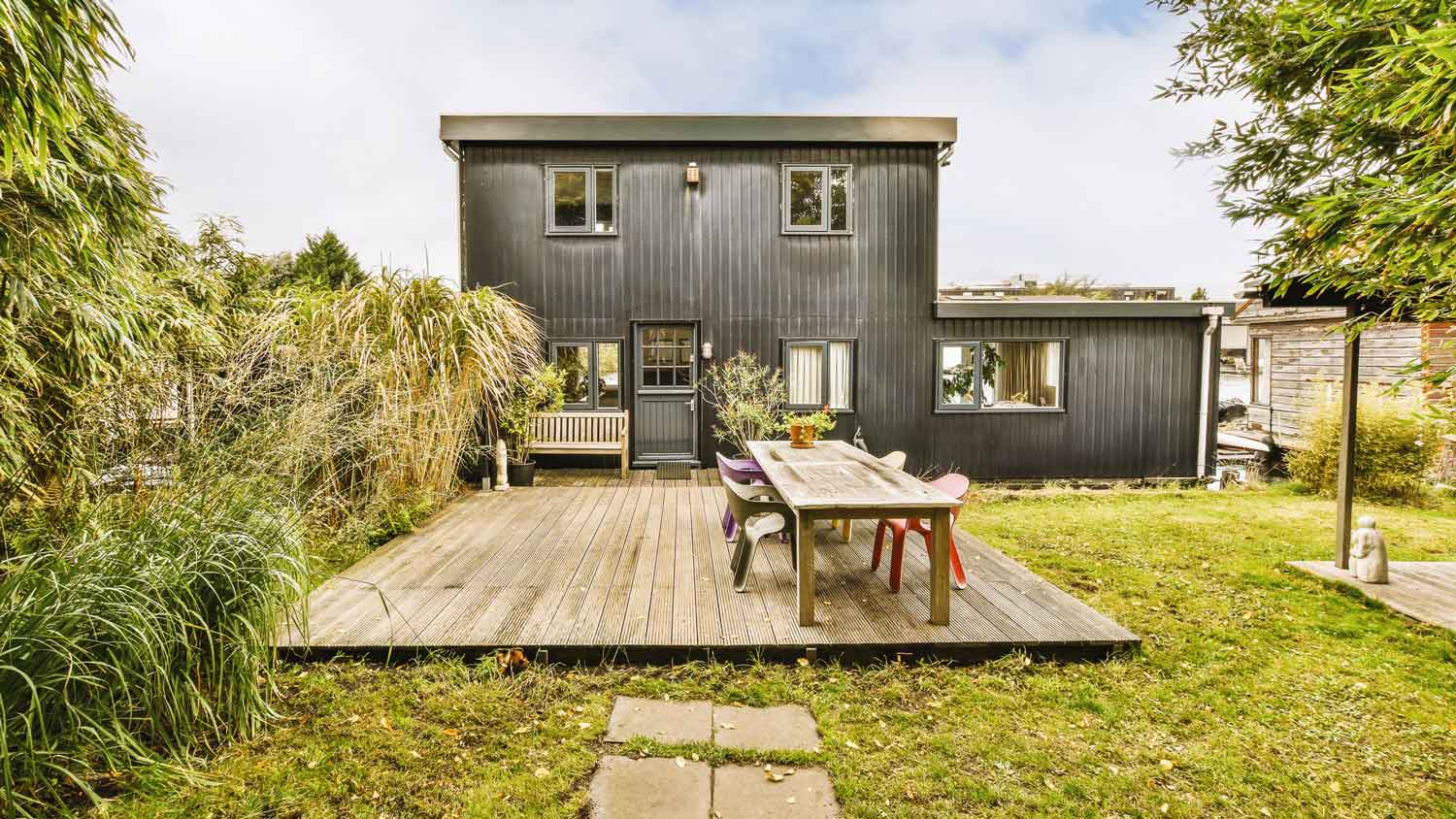
A deck that isn’t attached to a house is called a floating or freestanding deck. These standalone decks are built near ground level, so they usually don’t need deck stairs. Some don’t even require permits. Generally speaking, building a floating deck is faster and more DIY-friendly than constructing one that’s connected to your home.
The best base materials for a ground-level or floating deck are typically gravel and crushed stone (also known as landscaping rocks). These options are inexpensive, provide excellent drainage, prevent weeds, and help minimize moisture buildup, which reduces shifting and rotting. For added stability and to evenly distribute the weight, you can use concrete deck blocks or pavers. While more expensive, concrete blocks and pavers offer a sturdier base than gravel or crushed stone alone.
The overhang, or nosing, of deck steps is another area that will be covered in building code requirements. The noses on your deck steps should have a minimum overhang of ¾ inch. For safety, usability, and code compliance, the nosing of deck steps should not extend past 1¼ inches.
The Lorida, FL homeowners’ guide to deck cleaning services
From average costs to expert advice, get all the answers you need to get your job done.
Refinishing your deck is a great way to restore its appearance and fall in love with your outdoor space. Use this guide to learn how much it costs based on factors like size and type.
Learn how to clean a deck before staining to ensure long-lasting adhesion, weatherproofing, and optimum appearance of this coloring and protecting treatment.
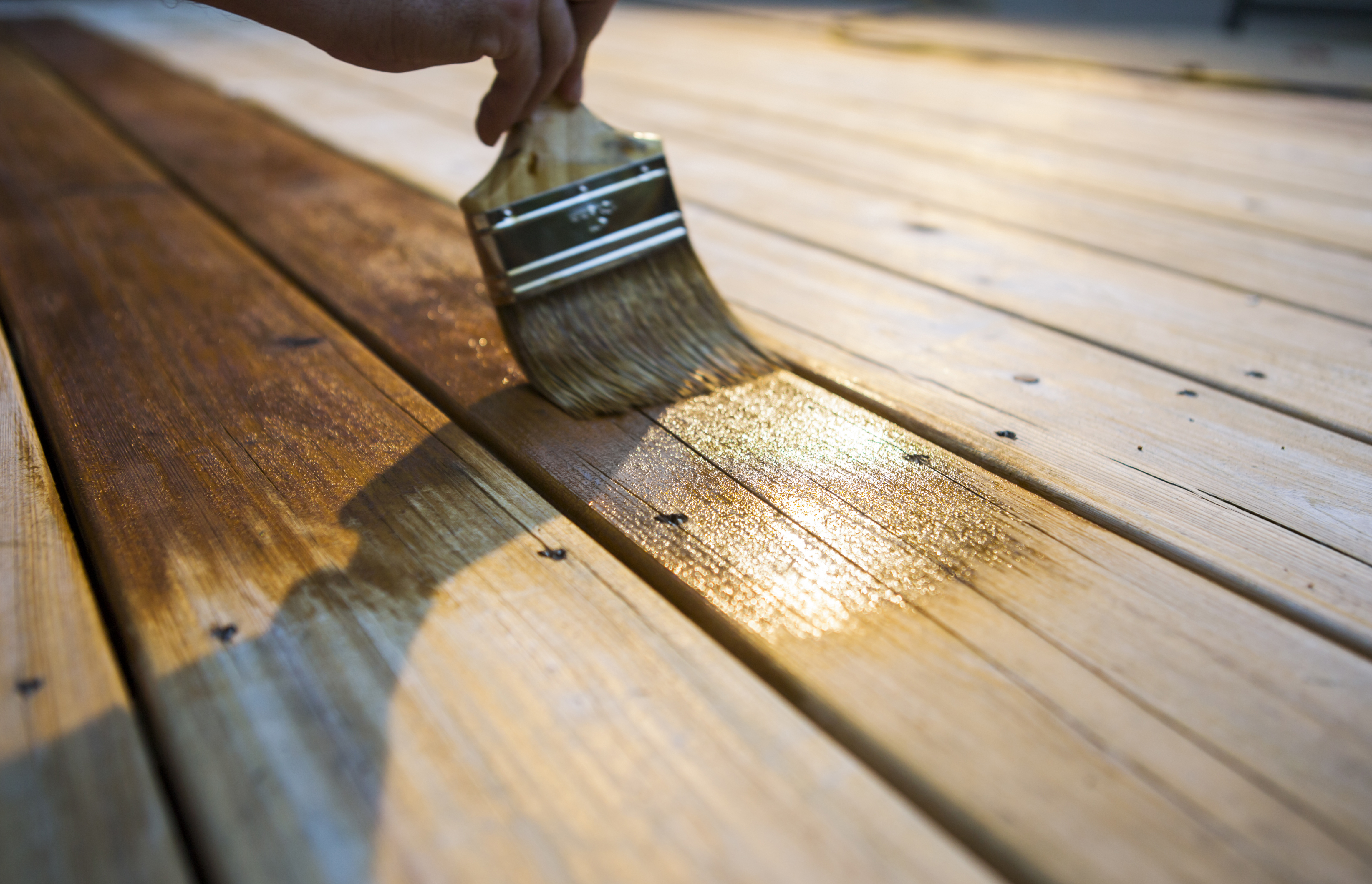
Deck maintenance is vital to protecting a wooden deck. Cleaning, staining and sealing a deck after pressure washing will add years to its lifespan. Protect a deck by following these deck maintenance tips for cedar and other types of wood materials.