




Top-rated drywall pros.

Get matched with top drywall pros in Lakeside, FL

Enter your zip and get matched with up to 5 pros

Need a pro for your drywall service project in Lakeside, FL?

Select your specific project to find the pro for you.

TRUSTED BY LAKESIDE, FL HOMEOWNERS

  • Average homeowner rating star icon4.6
    Average homeowner rating
  • Verified reviews icon245
    Verified drywall services reviews
Drywall questions, answered by experts

Drywall insulation costs around $1,800, on average, but prices can range from $500 to $4,500, depending on a few different factors. The following things are important considerations to make when pricing out your insulation project:

  • Square footage of insulation

  • Type of insulation 

  • Climate in your area and the insulation R-value required

  • Whether or not your walls are already finished

  • Accessibility of the area 

  • Whether or not you need old insulation removed first

The person’s skill will affect how many drywall sheets they can hang in one day. Some people can hang 10 or more sheets in a day, while others may only hang six or seven sheets. It also depends on the framing complexity since custom cutting and fitting the drywall can prolong the process.

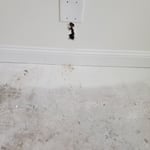
According to the EPA, mold grows within 24 to 48 hours if left untreated after a water leak. So unless you notice the leak and stop it right away, you only have a day or so before mold is a real concern. If you don’t notice the leak, it can take about three weeks for the mold spores to become visible. That means you’ve likely had an active mold infection for a few weeks by the time you notice discoloration.

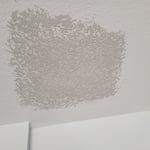
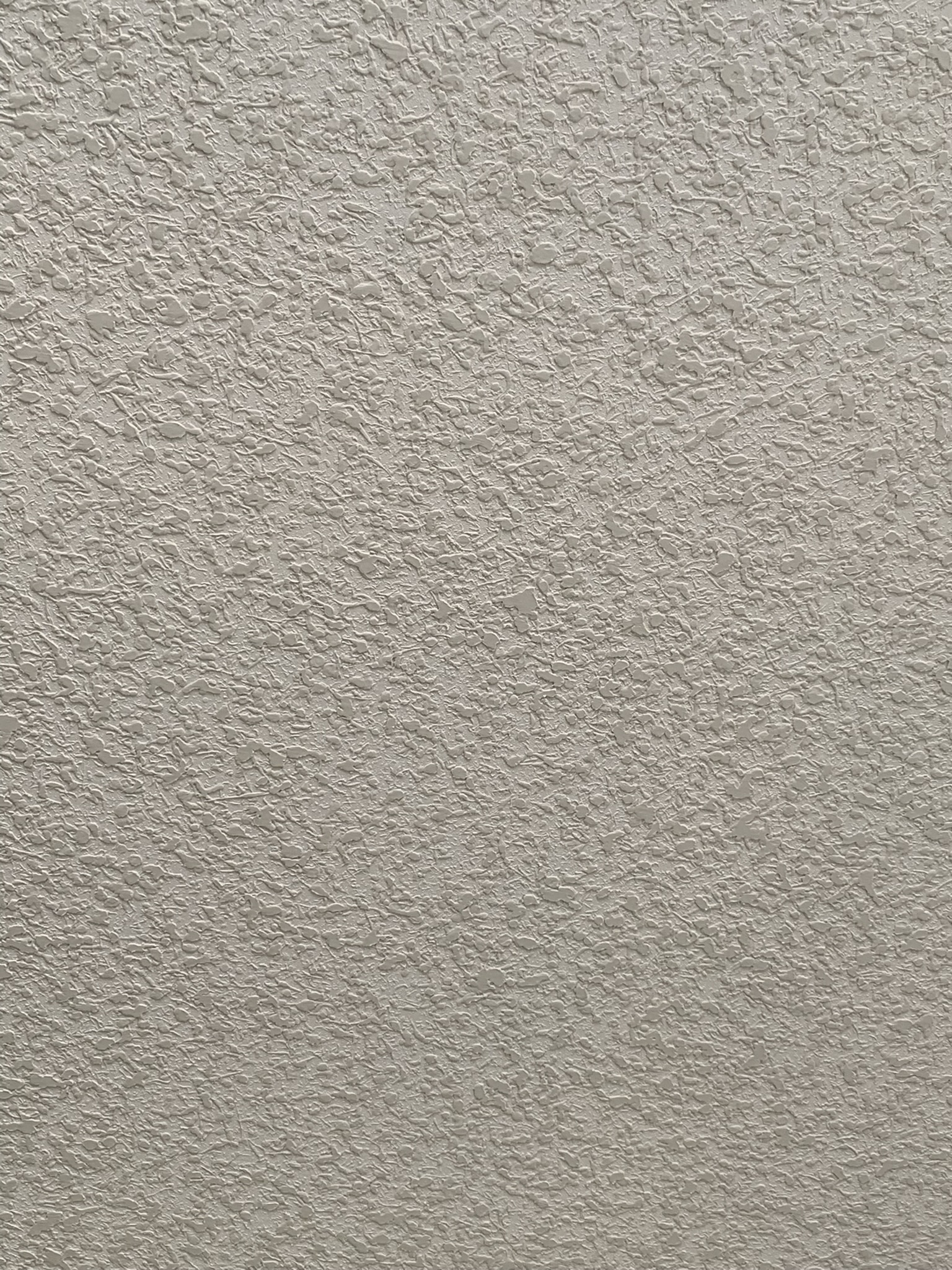
Certain drywall textures, like sand and sometimes popcorn, can be smoothed by applying skim coats, sanding the walls, or chipping away the texture. However, it’s worth considering removing the texture and starting with a blank canvas. Smoothing textured walls requires a lot of sandpaper and elbow grease and can take longer than just outright removing the texture.

Drywall anchors won’t work on plaster. Instead, they will more than likely cause more damage and pull out the plaster. The best type of anchors to use on plaster walls are the ones that will bite into the surrounding area, such as molly bolts and toggle bolts. Masonry anchors with expanders on the sides also work for lighter pictures.