


Top-rated radon detection and reduction specialists.

Get matched with top radon detection and reduction specialists in Hialeah Gardens, FL

Enter your zip and get matched with up to 5 pros

Need a pro for your radon detection and reduction project in Hialeah Gardens, FL?

Select your specific project to find the pro for you.

Find Radon detection and reduction specialists in Hialeah Gardens

Avatar for Precise Home Inspection Services
Precise Home Inspection Services
5.0(
15
)
Radon Gas - AbatementRadon Gas - Testing

Serving Hialeah Gardens, FL and surrounding areas

In business since 2003

Free estimates

Credit card accepted

"I have used Precise Home Inspection Services to perform home inspections several times. Their staff is extremely friendly and knowledgeable. I was most impressed with their services for a property which had mold. Their inspector was punctual and profesional. He was very thorough and took samples of the mold which they sent out for testing. They were prompt with the results and a plan of action. We remedied the mold problem quickly and are super pleased with their services. I highly recommend them."
Additional Photos
Additional Photos
Additional Photos
Additional Photos
Additional Photos

+2

Recommended by100%of homeowners

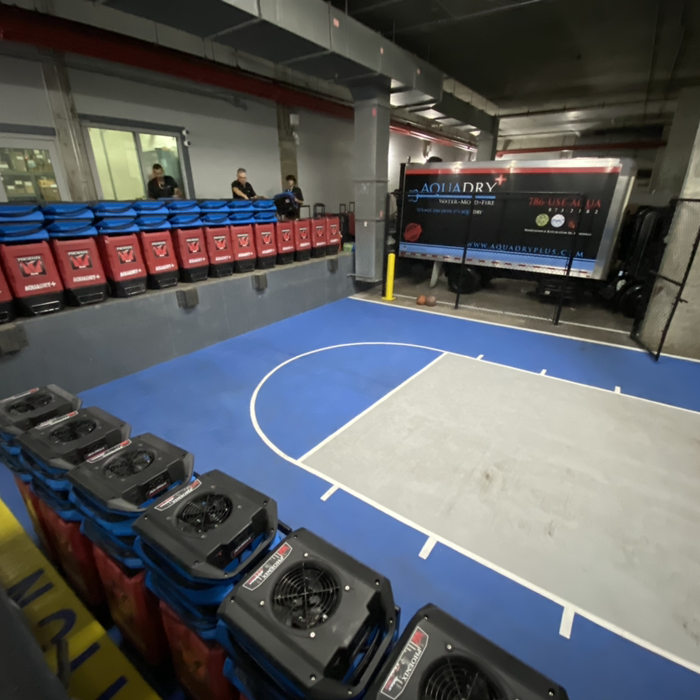
Avatar for AquaDry Plus Corp.
AquaDry Plus Corp.
5.0(
60
)
Radon Gas - Testing

Serving Hialeah Gardens, FL and surrounding areas

In business since 2006

Free estimates

Emergency services offered

"Allan did a great job of meeting quickly and providing an estimate. He had a great team that took care of the work. Everyone was professional and dependable. The work was completed on time. I trust Allan and AquaDry and would hire them again if ever needed."
Commercial Building
Commercial Mold Remediation
Residential Loss
Additional Photos
Additional Photos

+29

Response time2 days
Recommended by96%of homeowners
Showing 1-10 of 14
Radon Detection and Reduction questions, answered by experts

Radon enters your home when warm air begins to rise and exits through the roof, creating a vacuum that pulls cooler air from under the foundation. Part of that air is radon, which is an invisible, odorless gas that develops naturally when radioactive particles are deep within the ground. Those particles usually come from decaying matter in soil and rocks.
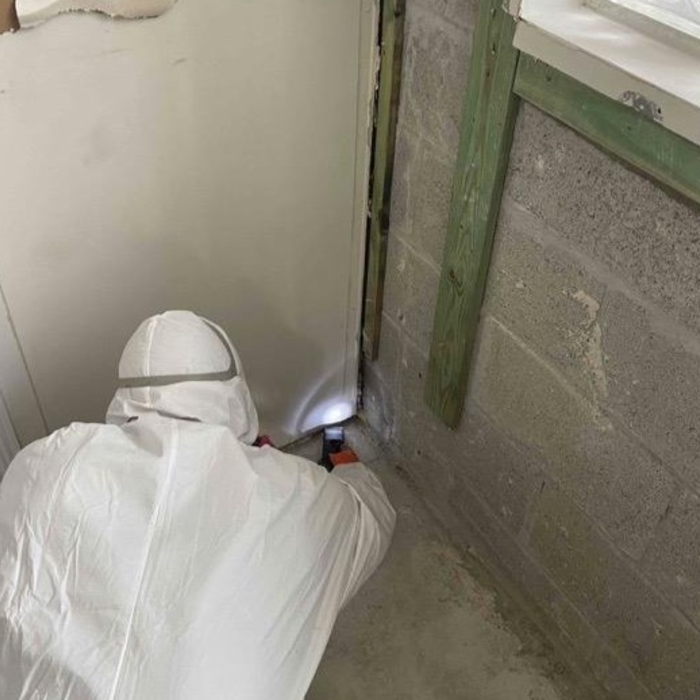
You'll need to test your home for radon after installing the mitigation system, then again every two years. If radon remains elevated, contact a licensed radon professional, either the contractor who installed the system or a different one, and have them evaluate the system. They may need to make some changes to improve its effectiveness and performance.

No level of radon is technically safe, but since it is present everywhere, complete avoidance is impossible. The average radon level in homes across the United States is 1.3 picocuries per liter (pCi/L). The Environmental Protection Agency (EPA) recommends taking preventative measures if your home's radon levels are between 2 and 4 pCi/L or higher.

Mitigation can take several days depending on home setup, equipment accessibility, and achieving effective diffusion system sealed efficiency.

Keeping radon from getting into your home is much better than having to get rid of it once it's already indoors. While there may not be a way to fully prevent radon from getting into your home, there are things you can do to reduce the gas's ability to enter. 

Sealing foundation cracks and openings can help keep the gas from seeping inside. Improving air flow, such as by opening windows, can also be helpful. If you're building your home from scratch, talk to your contractor about using radon-resistant construction to keep the gas out.

The Hialeah Gardens, FL homeowners’ guide to radon detection and reduction services

From average costs to expert advice, get all the answers you need to get your job done.