


Top-rated electricians.

Get matched with top electricians in Citra, FL

Enter your zip and get matched with up to 5 pros

TRUSTED BY CITRA, FL HOMEOWNERS

  • Average homeowner rating star icon4.2
    Average homeowner rating
  • Verified reviews icon24
    Verified electrical services reviews
Electrical questions, answered by experts

While you can technically live in a home while it's being rewired, prepare for some debris and dust if your electrical contractor needs to remove parts of walls, floors, and ceilings to access wires. If you stay home during the project, ask your electrician to cut the power supply to all exposed electrical wires to keep your family safe.

Yes, a whole-house surge protector needs a designated breaker in your electrical panel. You will need to choose a double pole breaker that has two wire terminals so that your surge protector can connect to the breaker. This breaker needs two breaker slots inside of your panel. If you do not have room, then you will either need to adjust some of the existing breakers in the panel box or hire an electrician to install a subpanel.

The most common type of electrical outlet is a 3-prong outlet, which has two flat blades (one is wider than the other) and a round grounding pin. Older homes typically have 2-prong outlets that aren’t as safe as more modern options and are generally not up to current electrical codes.  Other outlets you can find in your home include 20A, 125 volt varieties for larger appliances like refrigerators or washing machines. 

There are also GFCI outlets, which protect against electrical shock in wet areas, such as bathrooms and kitchens, and arc fault circuit interrupter (AFCI) outlets, which protect against electrical fires caused by arcing.

Yes, states and local governments can have additional building codes that address kitchen outlets. In most cases, these kitchen outlet codes simply refer to the NEC. However, states or local municipalities can have separate requirements for electrician licensing, such as requiring a permit to make big changes, and other details.

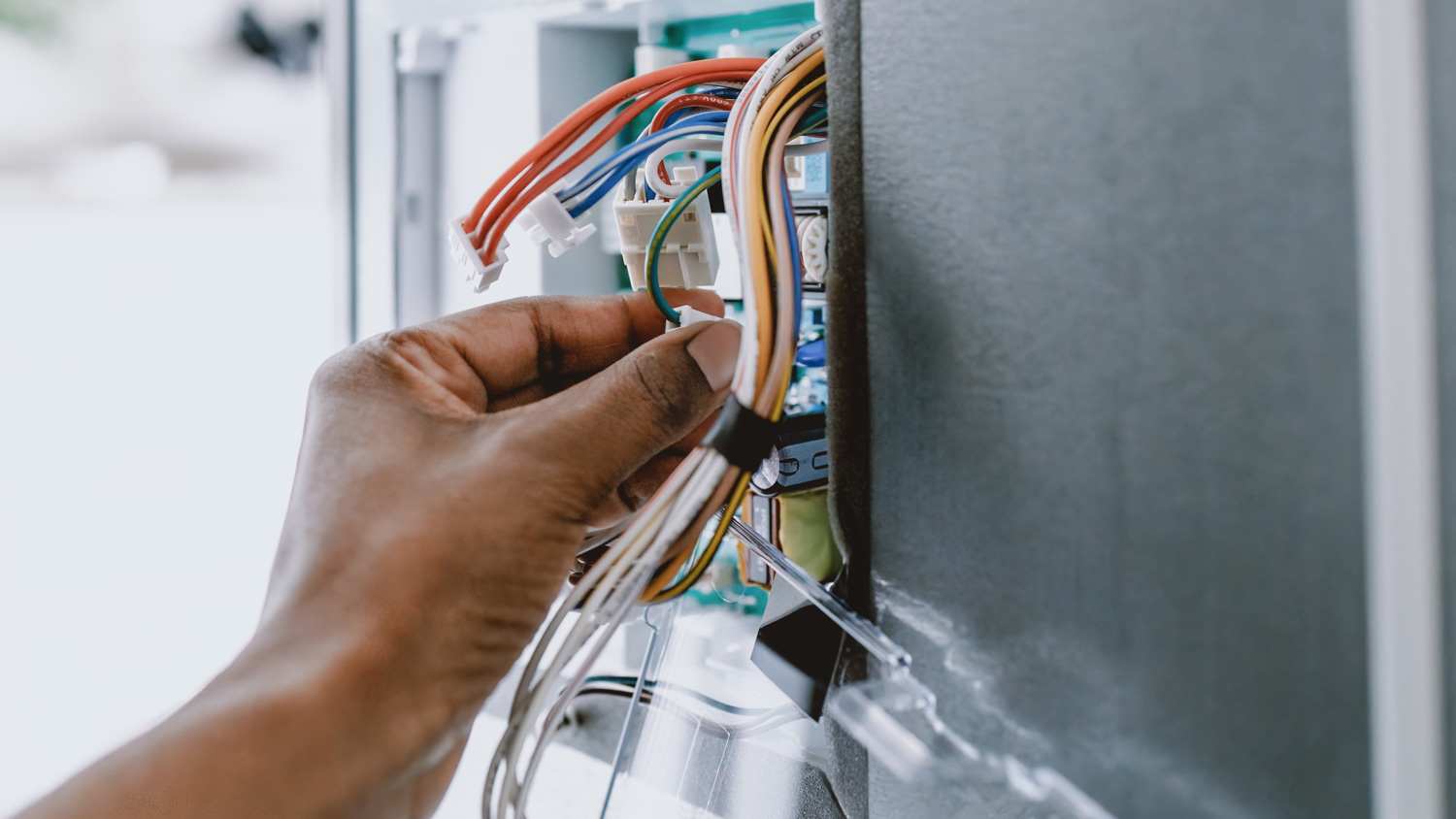
The color of your cable will help you to identify its function. In the U.S., the National Electrical Code (NEC) designates the color code for electrical cables. “Hot” cables are black, red, and blue. In cases of higher voltage lines, orange might also be used to indicate a hot cable. White or gray indicates a neutral, and green or green with a yellow stripe indicates a ground.

The Citra, FL homeowners’ guide to electrical services

From average costs to expert advice, get all the answers you need to get your job done.

What do you need done? We’ll find top pros.
  • 🌱 "Mow a small front yard"
  • 🛠 "Fix a leaking pipe under the sink"
  • 🏠 "Repair shingles on an asphalt roof"