
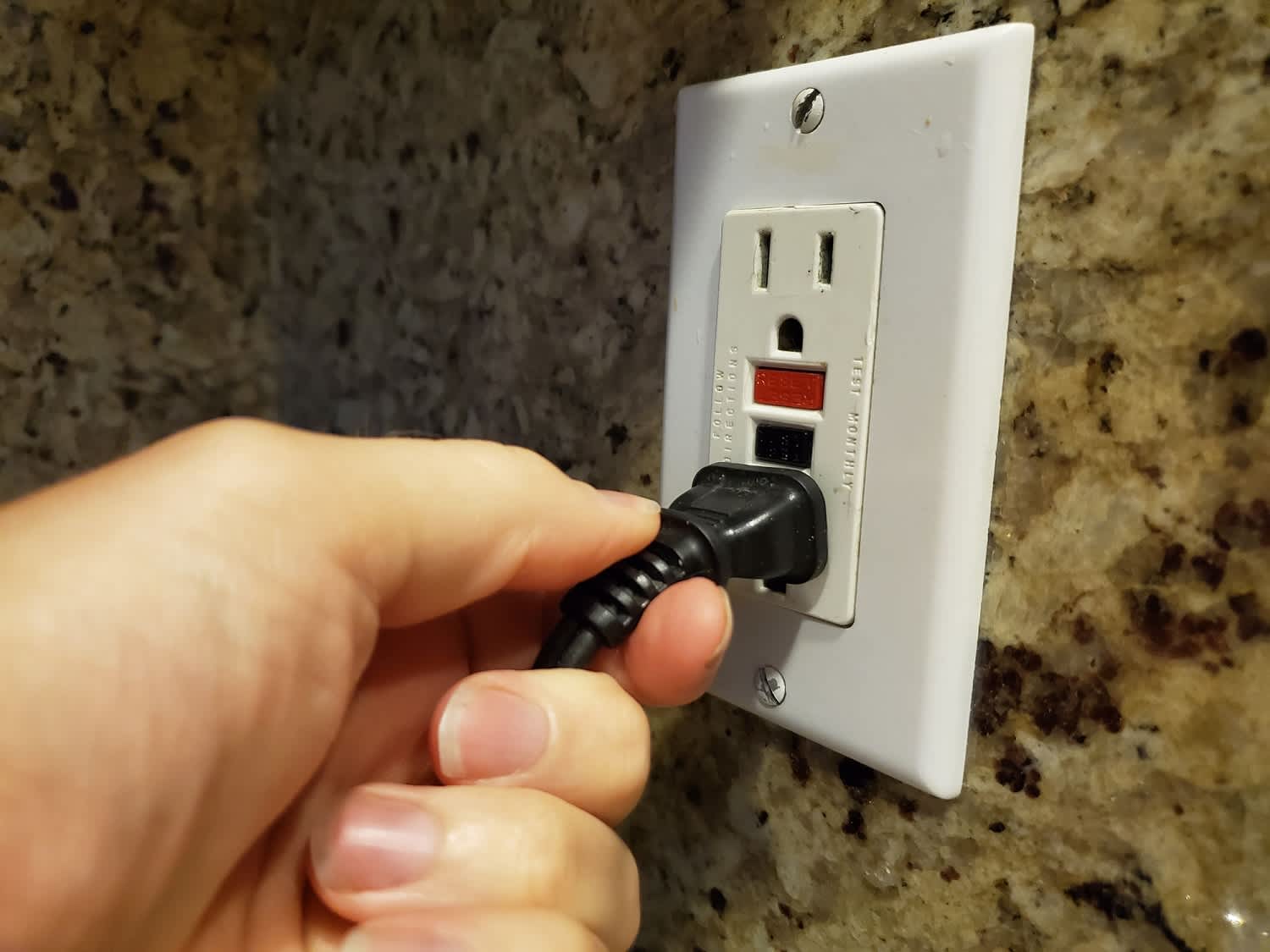
A GFCI outlet can keep your family safe and is relatively inexpensive to install. Learn how much replacing GFCI outlets will cost you, and what factors into those costs.
Don’t pull the plug on your safety outlets until you’ve done some troubleshooting

A GFCI outlet that will not reset often signals a faulty appliance, loose wiring, or an aging outlet that needs replacement to restore power safely.
Professional GFCI outlet replacement costs $130 to $300, and addressing the issue early prevents electrical hazards and keeps your home running smoothly.
You can troubleshoot by testing a different appliance, checking your circuit breaker, or inspecting wire connections to identify the problem before calling for help.
Hiring a local electrical professional provides reliable support with loose wiring and outlet replacement, keeping your home safe from electrical shocks and fires.
If your dishwasher suddenly stops working in the middle of a cycle, the GFCI outlet may have cut the power to the appliance. No problem, right? You simply need to push the red reset button to get things going again. But, if this doesn’t restore power, you’ll need to work out why your GFCI outlet is not working and take steps to address the problem. Before calling out an electrician, learn how to reset GFCI outlets with these DIY troubleshooting techniques.

Ground Fault Circuit Interrupter (GFCI) outlets monitor the currents traveling through the electrical circuit. If the GFCI detects a problem, it breaks the circuit and cuts the power running to the outlet. This safety measure prevents the risk of electric shock. GFCI outlet types are common in U.S. homes and are legally required when an outlet is within 6 feet of a water source.
There are two buttons on GFCI outlets—TEST and RESET. The test button lets you check that the GFCI outlet is working correctly and will cut off electricity when required. When a temporary problem occurs and the GFCI outlet trips, you can restore power by pressing the red reset button.
If your GFCI outlet cuts power to the attached appliance, things don’t always immediately return to normal when you press the reset button. You’ll frequently need to troubleshoot what problem is causing the outlet to trip. Follow these steps to reset a GFCI outlet and prevent ongoing problems.
One of the most straightforward explanations for a tripped GFCI is that the appliance connected to it is faulty. A quick way to check this is to hook up a different appliance to the outlet.
Pick a small, portable appliance or device, such as a lamp, and plug it into the tripped GFCI outlet.
Press the red “RESET” button. If this works properly, it should click back into place.
Turn on the appliance.
Press the “TEST” button, and the lamp should switch off.
Press the “RESET” button again to ensure the outlet continues to work correctly. The lamp should turn back on.
Try connecting the faulty appliance to a different GFCI outlet. If it trips that outlet, too, you’ve found the culprit.
If the other device doesn’t work when connected to the GFCI outlet, there is likely a problem with the outlet itself or the circuit breaker. Move on to the next troubleshooting step.

A tripped circuit breaker is another common reason a GFCI outlet won’t reset, especially if you notice multiple appliances in one area have stopped working. Fortunately, resetting a circuit breaker is straightforward.
Locate the circuit breaker box. This is usually a gray metal box attached to the wall in your basement, garage, hall cupboard, or utility room.
Open the circuit breaker box door and inspect the rows of switches. If you smell any burning or see signs of scorching, call a professional right away.
If the circuit breaker the GFCI outlet attaches to has tripped, it will be in the “OFF” or “NEUTRAL” position, while all the other switches are in the “ON” position.
Before doing anything further, switch off all devices and lights connected to the tripped circuit breaker.
Flip the circuit breaker to the “ON” position. When doing this, stand to the side of the breaker box (to avoid possible sparks), and ensure your hands and the surface you are standing on are dry.
Press the “RESET” button on the GFCI outlet and try turning on the attached device.
If the device and the other appliances attached to the circuit breaker work, you are good to go.
If the other appliances are working but the one attached to the GFCI outlet isn’t, you might have an issue with the wiring leading to the outlet, or the whole outlet may need replacing. If the circuit breaker trips again, there is likely a bigger electrical problem that merits the assistance of a local electrician.
If the wires connected to your GFCI outlet are loose, this can lead to regular resetting. Unless you have plenty of electrical experience, this troubleshooting task is best left to the professionals. If you aren't confident in what you're doing, you could make the issue worse and put yourself at risk of electrocution.
Turn off the circuit breaker for the outlet. Never skip this vital safety step.
Check the power is off at the outlet using a non-contact voltage tester.
Remove the wall plate with a screwdriver.
Carefully pull the outlet box out of the wall to inspect the wires.
Check the screw terminals where the wires connect to the outlet.
If any are loose, use a screwdriver to tighten the terminals to hold the wires securely.
Carefully put the outlet box back into position and screw in the wall plate.
Turn the circuit breaker on, and press the “RESET” button on the GFCI Outlet.
If problems continue, you likely need to replace the GFCI outlet.
GFCI outlets last 10 to 15 years. However, excessive use and exposure to moisture and heat can cause them to fail earlier. If your outlet continues to trip no matter what device you use, it’s time for a replacement.
Replacing a GFCI outlet is a job for a certified electrician unless you have substantial experience with electrical work.
Turn off the power at the circuit breaker.
Check there is no current leading to the outlet using a voltage tester.
Unscrew the wall plate and the outlet box.
Check which wires connect to which outlet terminals before disconnecting them using a wire cutter. You can mark them with electric tape to identify the hot “line” wires.
If you are unsure which wires are the “line” ones, turn back on the circuit breaker and use the voltage tester to check the line and the load wires (the ones without a current). Never touch the wires directly, and wear insulating gloves as an extra precaution. After testing, turn the circuit breaker back off.
Strip and tightly connect the wires to the appropriate stab-in terminals on the new GFCI outlet.
Screw the new GFCI outlet into the electrical wall box.
Screw on the wall plate.
Turn the circuit breaker back on.
Test the new GFCI outlet.
Below are some electrical practices that can help prevent issues leading to regular GFCI outlet resets.
Don’t overload circuits: Too many powerful appliances attached to one circuit breaker can cause it to trip continually.
Replace faulty appliances: These can cause the circuit breaker or GFCI to trip frequently.
Regularly test your GFCI outlets: Aim to do this once a month. Press the “TEST” button, which should immediately disconnect the power to the attached appliance or device. Pressing the “RESET” button should reestablish power.
If you’ve followed all the straightforward steps to reset GFCI outlets and yours still isn’t working, hire an electrician near you. They can further troubleshoot and safely replace your GCFI outlet or repair your circuit breaker or appliances. Dealing with wiring is dangerous, and electric shocks can be fatal. We don’t recommend doing GFCI or circuit breaker repairs or replacements yourself unless you have solid electrical experience.
Professionally replacing a GFCI outlet costs $100 to $200. This might be a necessary investment when all the troubleshooting techniques aren’t working. Installing a replacement GFCI outlet yourself will cost less than $25 for materials, but you should never attempt this project without extensive electrical experience.
I recently had Mosby Electric perform an electrical installation on 8-14-2026, and I couldn’t be more satisfied with the service. From the moment I called, their team demonstrated fast arrival and professionalism. The electricians were highly knowledgeable, completing the installation...
 Mosby Electric
Great company! Price was competitive, technician showed up on time and completed the job (exterior electric Radon fan replacement) quickly. Would hire them again.
 MaGen Property Inspections and Radon Mitigation
I conferred with 2 other contractors before Armstrong Electric. Nick and his crew showed me that the project was not as convoluted as the other contractors made it appear to be. They completed the entire project on time. They were professional, friendly and cleaned up after at completion. I...
 ARMSTRONG ELECTRIC, LLC
The techs on my project, Shawn and Cliff, were great. They were prompt, courteous, and efficient. I am very happy with the results and would definitely contact Mr. Electric for any future electrical projects.
 Mr. Electric of Columbus
Victor was wonderful. He was on time, professional, and explained everything he was doing. He was thorough and figured out that the problem was electrical instead of with my HVAC system. Very knowledgeable. I will be using this company in the future for any HVAC needs. Thanks!
 Hubbs Heating & Air LLC
They were excellent. They did a great job. I was totally satisfied. They put tremendous effort in making sure the work was completed. They were great. They provided immediate response to any inquires I made. I would hire them again. I would recommend them to anyone who needs electrical work....
 JCB & Associates, LLC DBA Property-Tech Industries
Initially, the repairman could not find the problem. Apparently, there was some electrical shortage, but he could not find the definite problem. He left, but called back later to say he had a new idea. He returned and replaced the light switches on the doors. The refrigerator seemed to return...
 Appliance Pro LLC
The initial quoted price from a walk-through seemed high, but we discussed that the quote represented worst case scenario (re-wiring to two floors) and we were excited about the opportunity to have the work done in a timely manner with closing for fire safety reasons, etc. When the job was...
I have to tell you I am all about customer service - I will go out of my way and even pay more for it if you give me great customer service. <br> <br>In a world where this is hard to find, these guys were awesome! I can not sing their praises enough. They were prompt, personable, funny, got...
 Waibel Electric
When I challenged the markup on the generator, Bruder Electric withdrew its bid. They only want naïve customers.
From average costs to expert advice, get all the answers you need to get your job done.
A GFCI outlet can keep your family safe and is relatively inexpensive to install. Learn how much replacing GFCI outlets will cost you, and what factors into those costs.
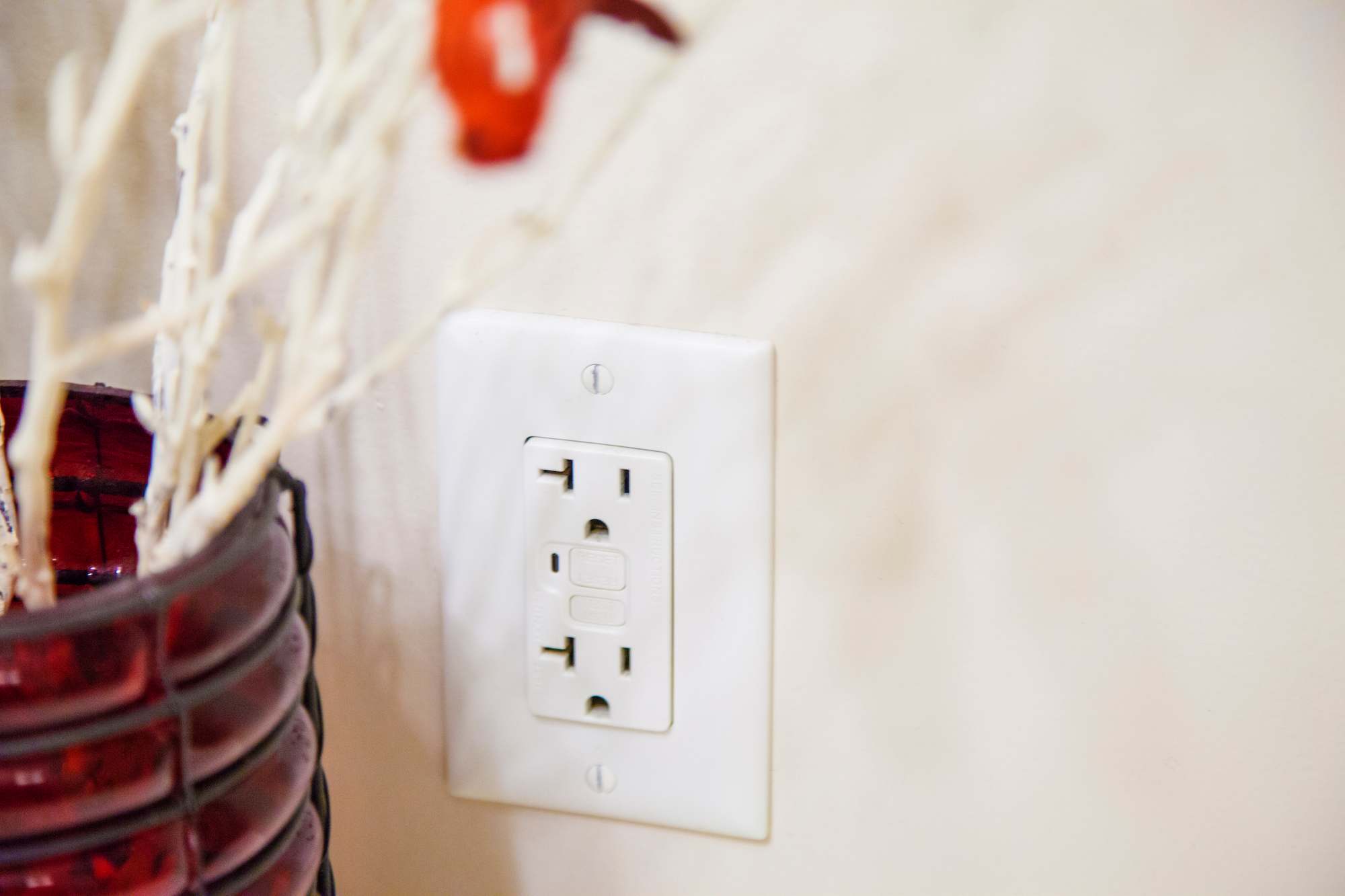
Reset and test buttons often indicate a GFCI outlet, which cuts off electrical currents to prevent possible shocks. These work like a circuit breaker but only affect certain outlets. We’ve broken down everything you need to know about GFCIs here.

Here’s what you need to know to reset an outlet without a reset button. Follow this guide for resetting an outlet in a snap.
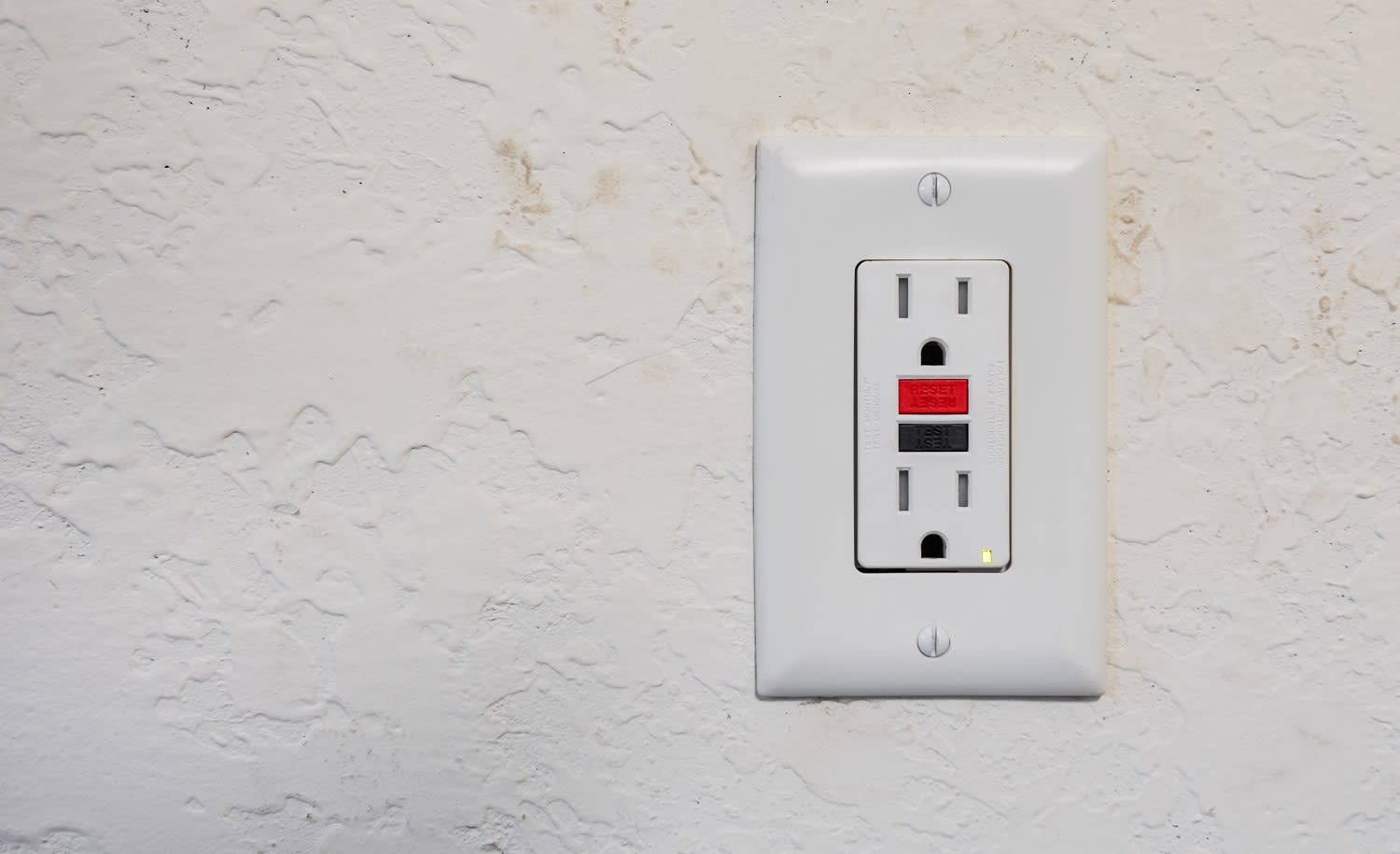
GFCI stands for ground fault circuit interrupter. But what is a GFCI outlet, exactly? See how they lower the risk of shock or fire and where to use them.

There are many types of GFCI outlets, but knowing which is best for your home can be a challenge. Here’s a guide on the 10 most common GFCI outlets.
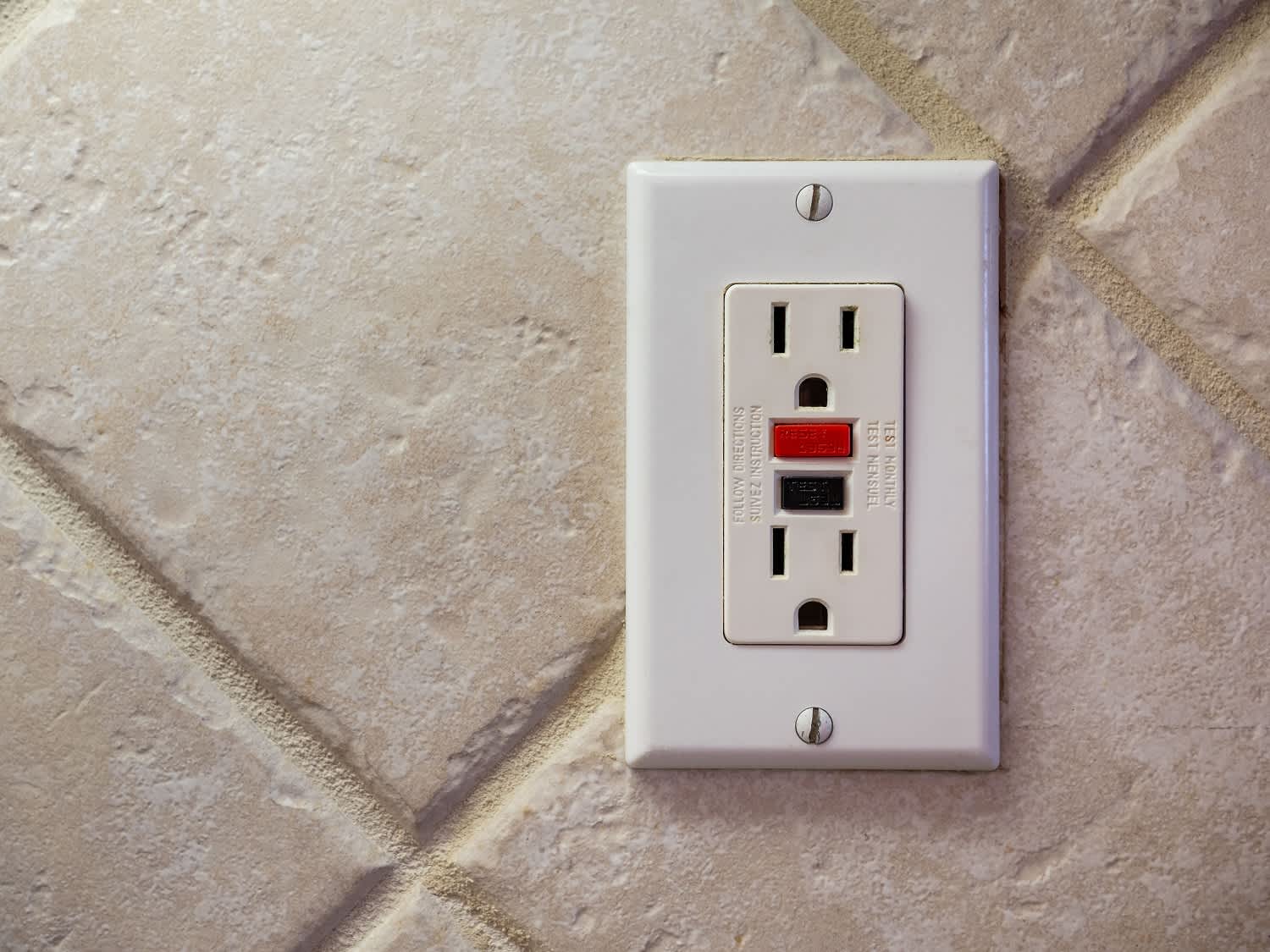
If you want to upgrade outdated outlets, you may be wondering if you can replace ungrounded outlets with GFCI outlets. Keep reading to find out.