




Top-rated outdoor kitchen pros.

Best outdoor kitchen pros near Bartow, FL

Enter your zip and get matched with up to 5 pros

Need a pro for your outdoor kitchen service project in Bartow, FL?

Select your specific project to find the pro for you.

Top-Rated Outdoor kitchen pros in Bartow - Updated Nov 2026

Avatar for TLC Outdoor Living
TLC Outdoor Living
4.6(
7
)
Outdoor Kitchen-BuildOutdoor Kitchen-Build - For Business

Serving Bartow, FL and surrounding areas

Approved

In business since 2019

Free estimates

Offers commercial services

"Quality workmanship, professional service. Wonderful results. We got the results we wanted and will enjoy our new patio for years to come. Very satisfied with this company and the results."
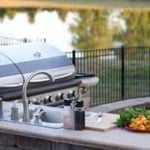
Outdoor Kitchen
Response time1 day
2 neighbors recently requested a quote
Recommended by85%of homeowners
Showing 1-10 of 29
Outdoor Kitchens FAQs, answered by experts

For outdoor kitchens, it's best to use wood that is naturally resistant to weather elements like water and heat, which can cause fading, mold, or mildew. Excellent choices include teak, Brazilian walnut, white oak, and mahogany. Avoid softwoods such as pine and cedar, as they are more susceptible to damage and can catch fire easily. Regardless of the wood you choose, it should be pressure-treated for extra protection and regularly maintained with sealants, oils, and stains.

You can call a second kitchen many different names—butler’s pantry, scullery, prep kitchen, working kitchen, dirty kitchen, or even just second kitchen. In modern times, however, second kitchens are almost always called prep kitchens or small kitchens. However, the purpose of a second kitchen remains the same—prepare food and clean items “behind closed doors.”

Summer kitchens can cost anywhere from $1,000 to $50,000 to build. The average price is on the lower end of that range, however, at $15,500. The typical homeowner is more likely to pay between $6,000 and $25,000 than approach the $50,000 mark. Materials for framework, flooring, and countertops are the most expensive type of expenditure, with appliances coming in second. There are a few additional costs that may not immediately come to mind when planning an outdoor kitchen, some of which include: permits, routine maintenance, pest control, and winterization.

The best types of wood for outdoor kitchen cabinets are those naturally resistant to weather, water, heat, fading, and mold or mildew. Excellent choices include teak, mahogany, white oak, and Brazilian walnut. It's best to avoid softwoods like pine and cedar, as they are more susceptible to damage and can catch fire easily. For extra protection, ensure the wood is pressure-treated. Regardless of the wood you choose, you will need to apply sealants, oils, and stains regularly to protect your cabinets from the elements.

Your maintenance needs revolve around the type of foundation you choose, as well as how you furnish or decorate it. Patios require little else other than the occasional hose-down, but decks and other wooden structures will require annual power washing and sealing. You may also need to restain the wood every two to three years.

Adding a solid roof rather than building a pergola or leaving the space open will make maintenance much easier. Without a roof, you will need to spend more time sweeping, washing, and covering your furniture to protect it from UV bleaching.

The Bartow, FL homeowners’ guide to outdoor kitchen services

From average costs to expert advice, get all the answers you need to get your job done.