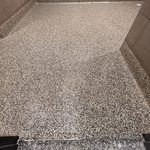
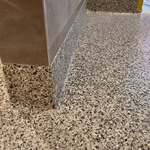
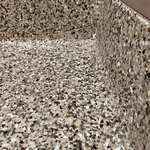
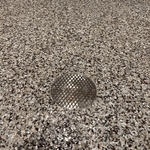
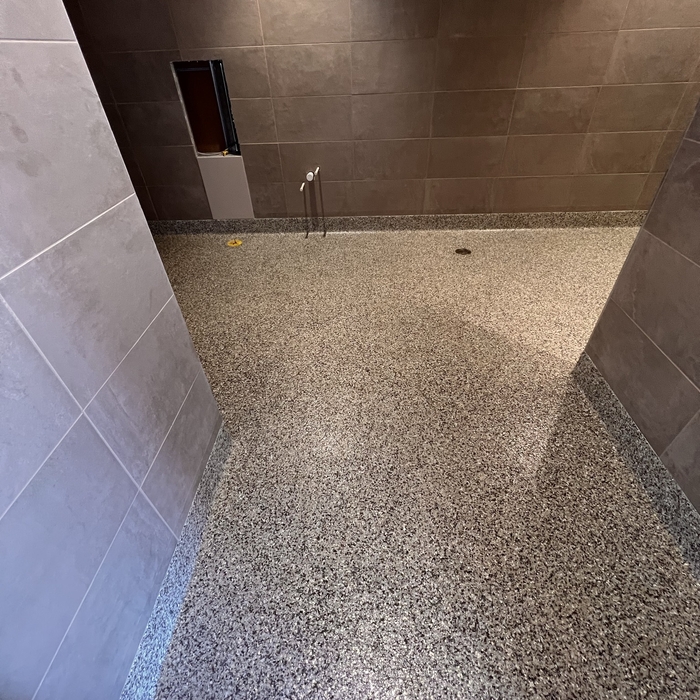
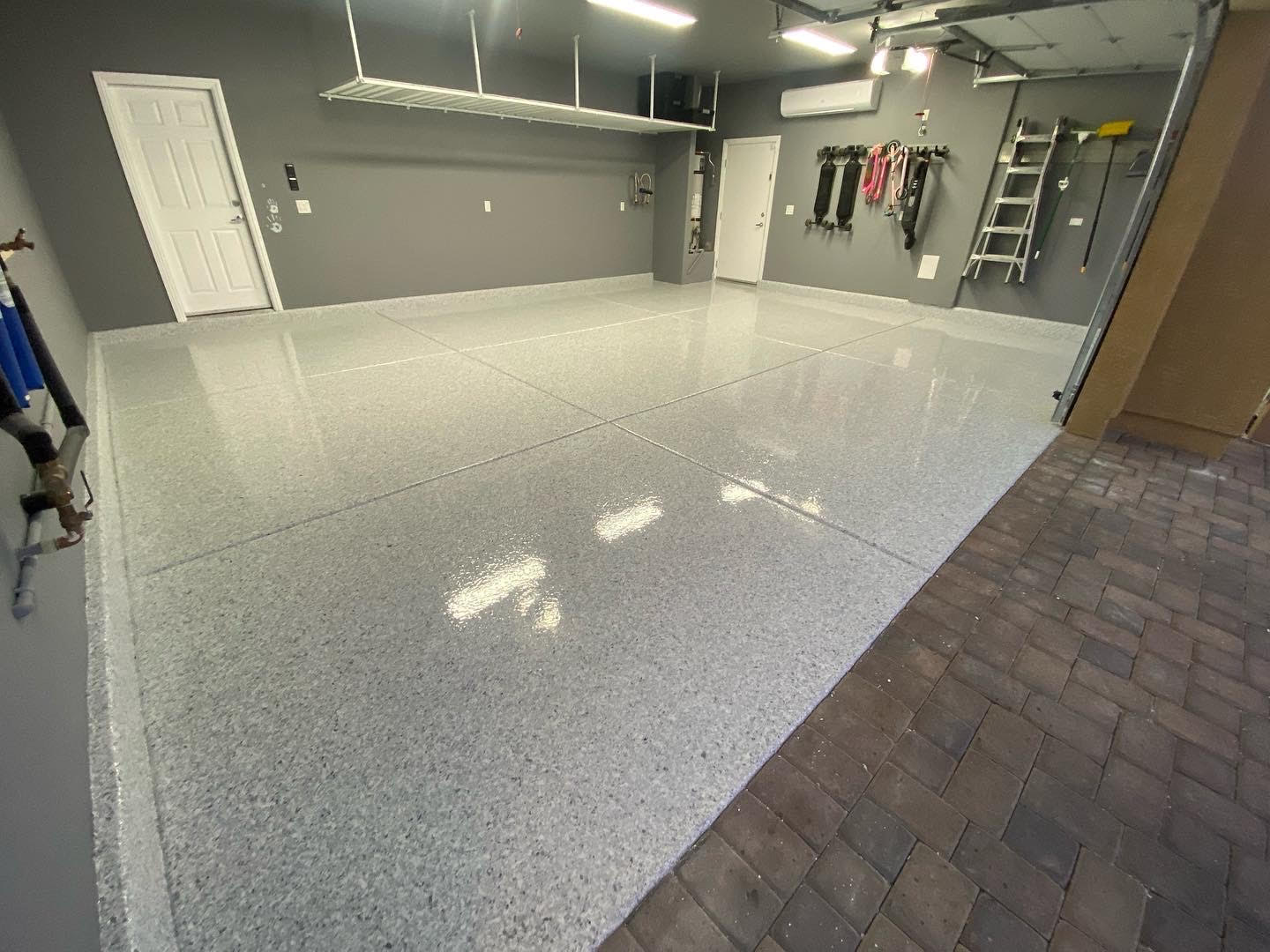
"Very impressed how my floor looks. Not only did I found the best deal with RA Contractor flooring but also the best team I could ever asked. I had great comunicación with Alex the entire job. I honestly recommend RA Contractor Flooring for your house needs, you are going to love it."
"The Pro Juan was knowledgeable and was able to perfectly replace both door frames. The communication was great and my tenants are finally happy with the door."
"They were prompt and efficient. I am a little unsatisfied that I have not been able to get a receipt for the work done for my files and a small repair in the coating is not blending well with the rest of the floor. They are a friendly group of guys and prepared the house for protection against the splatter very well. I would probably recommend them to others but inform them to get paperwork and info before they leave."
"Edwin was very professional once I secured his services. He sent me an invoice right away. Great communication, he was on time. Did an excellent job. I will be contacting them in six months for another service. I wanna make sure my Dryer Vent is cleaned every six months."
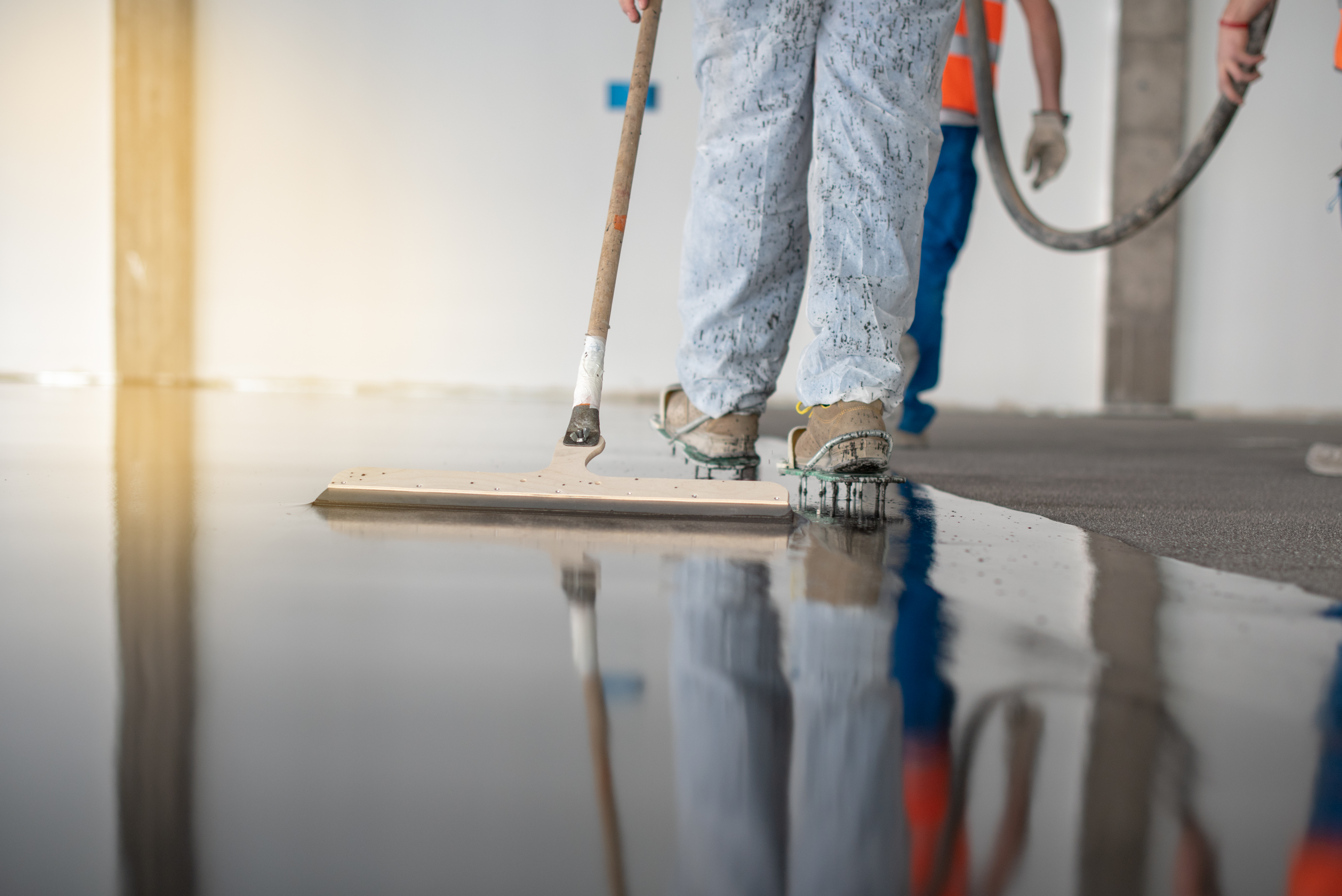
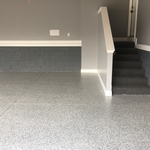
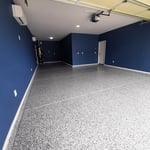
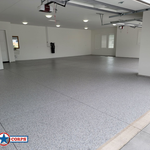
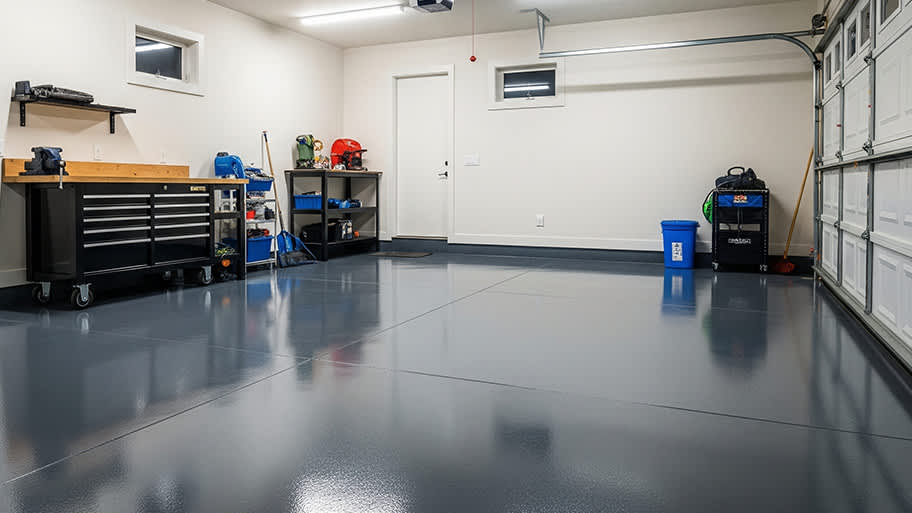
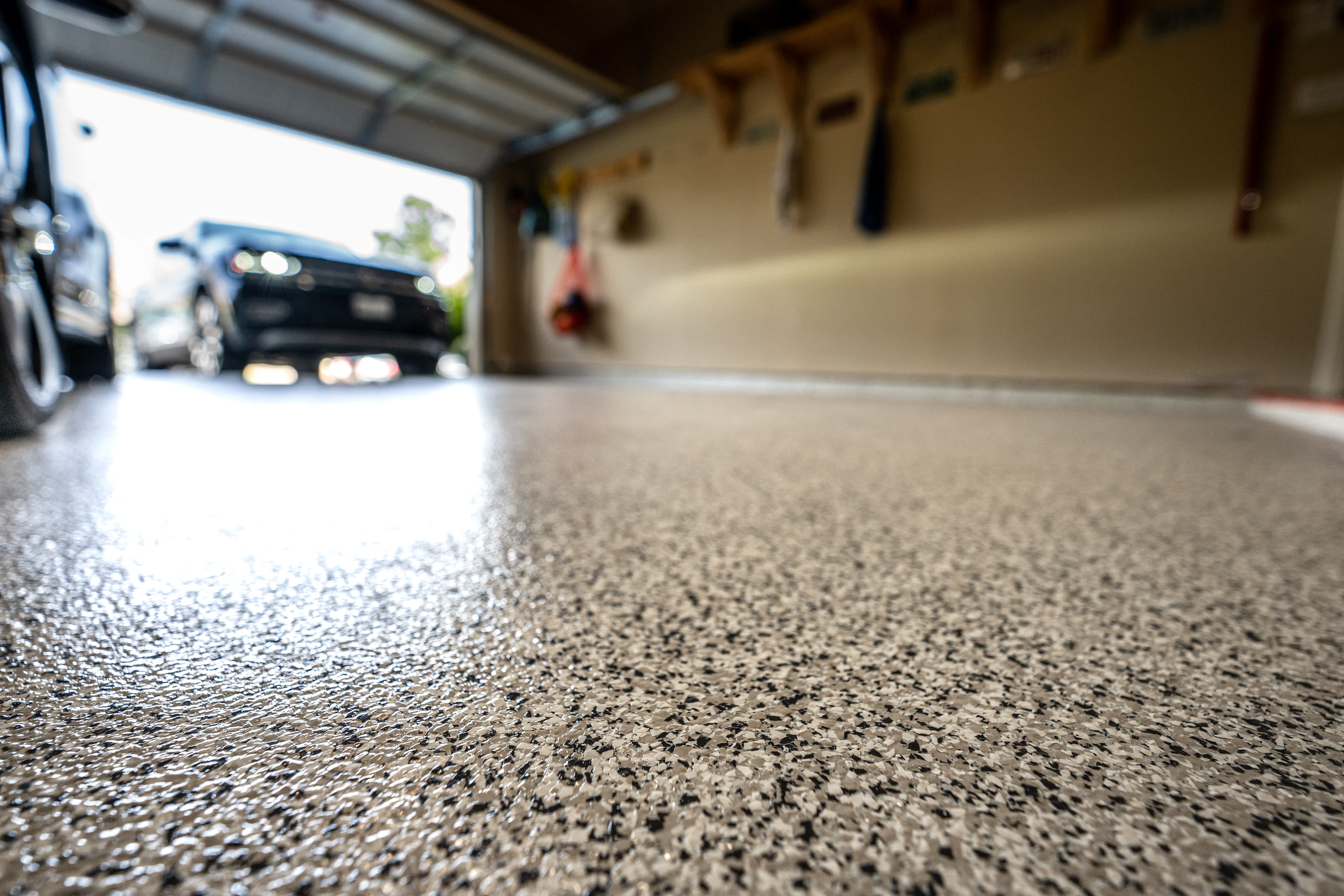
Resurfacing a garage floor takes about eight hours on average, with another couple hours over three days to do the epoxy. Epoxy goes on in three coats, with each coat taking 24 hours to dry and cure. You’ll need to keep foot and vehicle traffic off of your garage floor for around 4 days in total when replacing your garage floor, so be sure to plan ahead before you start. This is a great time to organize your garage since you’ll need to move everything out to apply the epoxy.
With so many vastly different options to choose from, how can you find an inexpensive garage floor that you can also confidently say is the best? The right solution will be different for everyone and truly depends on your individual needs and stylistic tastes.
If you’re working with a smaller budget, a low-cost coating such as paint, sealer, or stain might be the best way to express your style in the garage. If you need a high-performance surface that can handle the tough projects and maintenance you do in the garage, or if you want a wide range of colorful customization options, flexible tiles might be for you.
Other garage floor concrete sealers besides epoxy include solvent-based acrylic and polyacrylic sealers, quick-drying polymer or polyurethane sealers, and scratch-resistant polyurea floor coatings that are ideal for exterior applications. These sealants come in basic clear forms and more decorative options, varying in price accordingly.
No. You cannot use asphalt products on concrete driveways. To seal a concrete driveway, use acrylic, epoxy, polyurethane, silane, siloxane, and silicate sealers or deep penetration sealers made specifically for concrete. Meanwhile, asphalt sealers contain refined coal tar (asphalt emulsion), water, sand, clay, polymers, and additives and are incompatible with concrete’s surface texture and higher density.
While concrete is durable, it’s also a porous material, meaning that spills can damage the material. Not only does sealing safeguard against this issue, but it can also reduce the risk of mold and mildew.
The Bartow, FL homeowners’ guide to epoxy flooring services
From average costs to expert advice, get all the answers you need to get your job done.
This guide breaks down the cost of installing epoxy flooring in your garage, basement, or other space. Costs depend on resin type, floor size, and more.
Epoxy flooring adds shine and durability to your basement, studio, or garage floor. Check out these epoxy flooring ideas to create the room of your dreams.