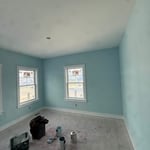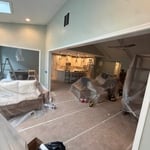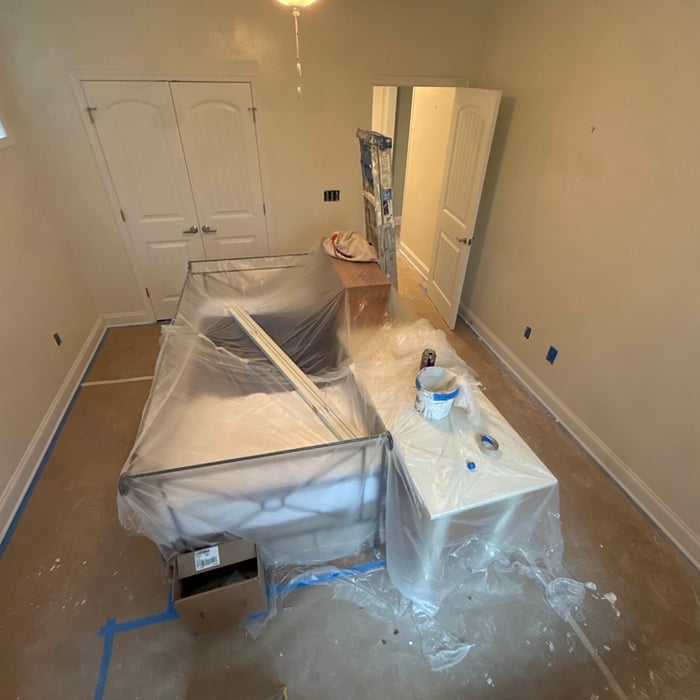




Top-rated drywall pros.

Best drywall pros near Lewes, DE

Enter your zip and get matched with up to 5 pros

Need a pro for your drywall service project in Lewes, DE?

Select your specific project to find the pro for you.

TRUSTED BY LEWES, DE HOMEOWNERS

  • Average homeowner rating star icon4.4
    Average homeowner rating
  • Verified reviews icon187
    Verified drywall services reviews

Top-Rated Drywall pros in Lewes - Updated Nov 2026

Avatar for Valentin Solano General Contractor, LLC
Valentin Solano General Contractor, LLC
4.5(
147
)
Drywall - RepairDrywall - InstallDrywall - Install - For Business+1 more

Serving Lewes, DE and surrounding areas

Approved

Super Service Award Winner

In business since 2006

Free estimates

Offers commercial services

"Prompt, professional and reasonably priced. The work was done professionally and as promised. I had an additional piece of drywall to put up and they did it without hesitation. I would recommend them to anyone."
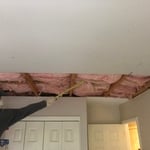
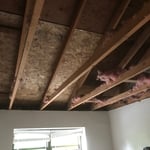
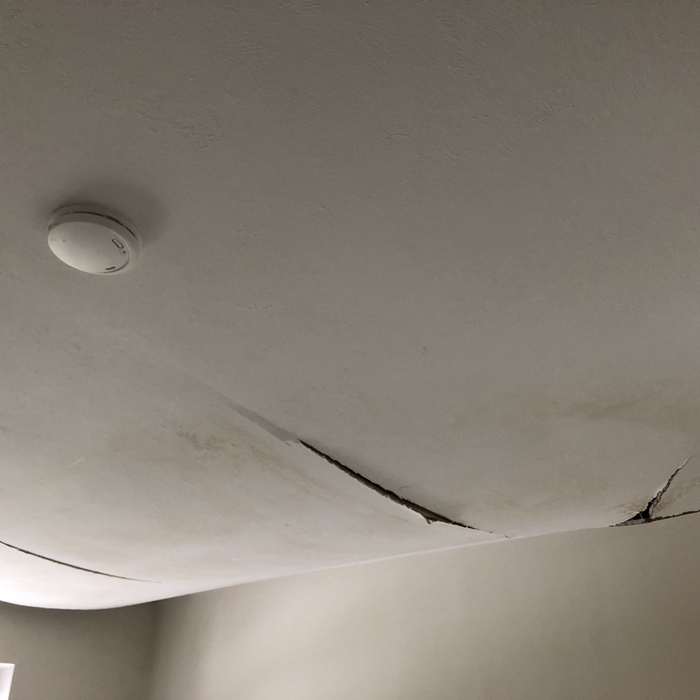
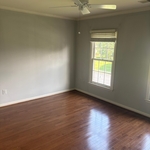
Newark Ceiling Replace
Ceiling Replace
Ceiling Replace
Ceiling Replace
Ceiling Replace

+48

Response time5 hrs
57 neighbors recently requested a quote
Recommended by92%of homeowners
Avatar for Professional Touch Delaware
Professional Touch Delaware
5.0(
18
)
Drywall - Repair

Serving Lewes, DE and surrounding areas

Approved

In business since 2010

Free estimates

Warranties offered

"Florencio's team have done several projects for us including full home interior painting and flooring replacement. Always professional, on time and on budget. Strong recommend."
Interior Painting
Garage epoxy flooring
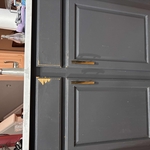
Kitchen Cabinets
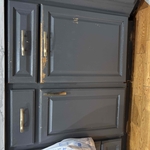
Kitchen Cabinets
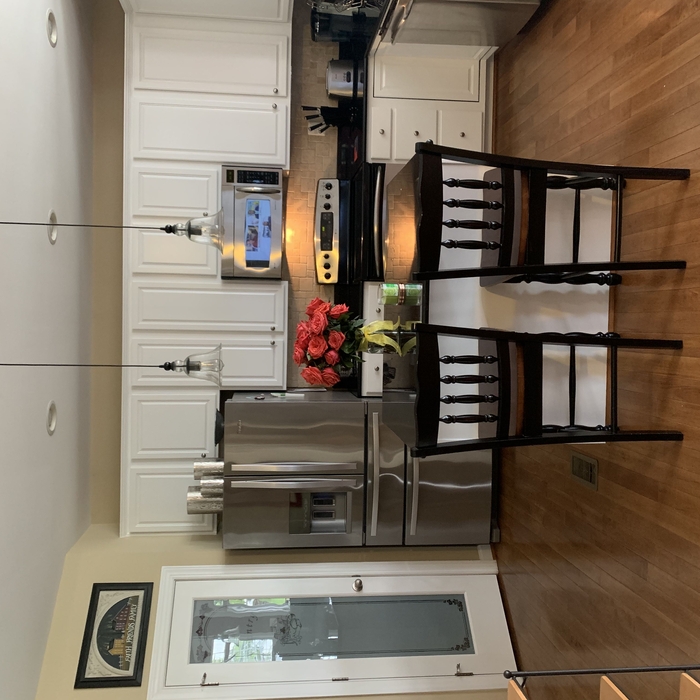
Kitchen Cabinets

+39

1 neighbors recently requested a quote
Recommended by83%of homeowners
...
Showing 1-10 of 207
Drywall FAQs, answered by experts

Drywall can be toxic to the environment and to humans in some cases. As drywall breaks down in a landfill and comes in contact with other organic chemicals, it can create hydrogen sulfide gas or leach into the groundwater. Additionally, the CDC recommends methods for controlling the inhalation of drywall dust when handled. While the common ingredients of drywall—gypsum, silica, and mica—are naturally occurring, they can cause irritation in some humans.

If your premixed drywall mud is dried out or has begun to set in the bucket, you may be able to revive it by adding warm water and stirring. However, the first and most important step is to scrape off any hard, dried bits of drywall that may have accumulated toward the top of the container and throw them away because they will not easily reconstitute back into the drywall mud mix.

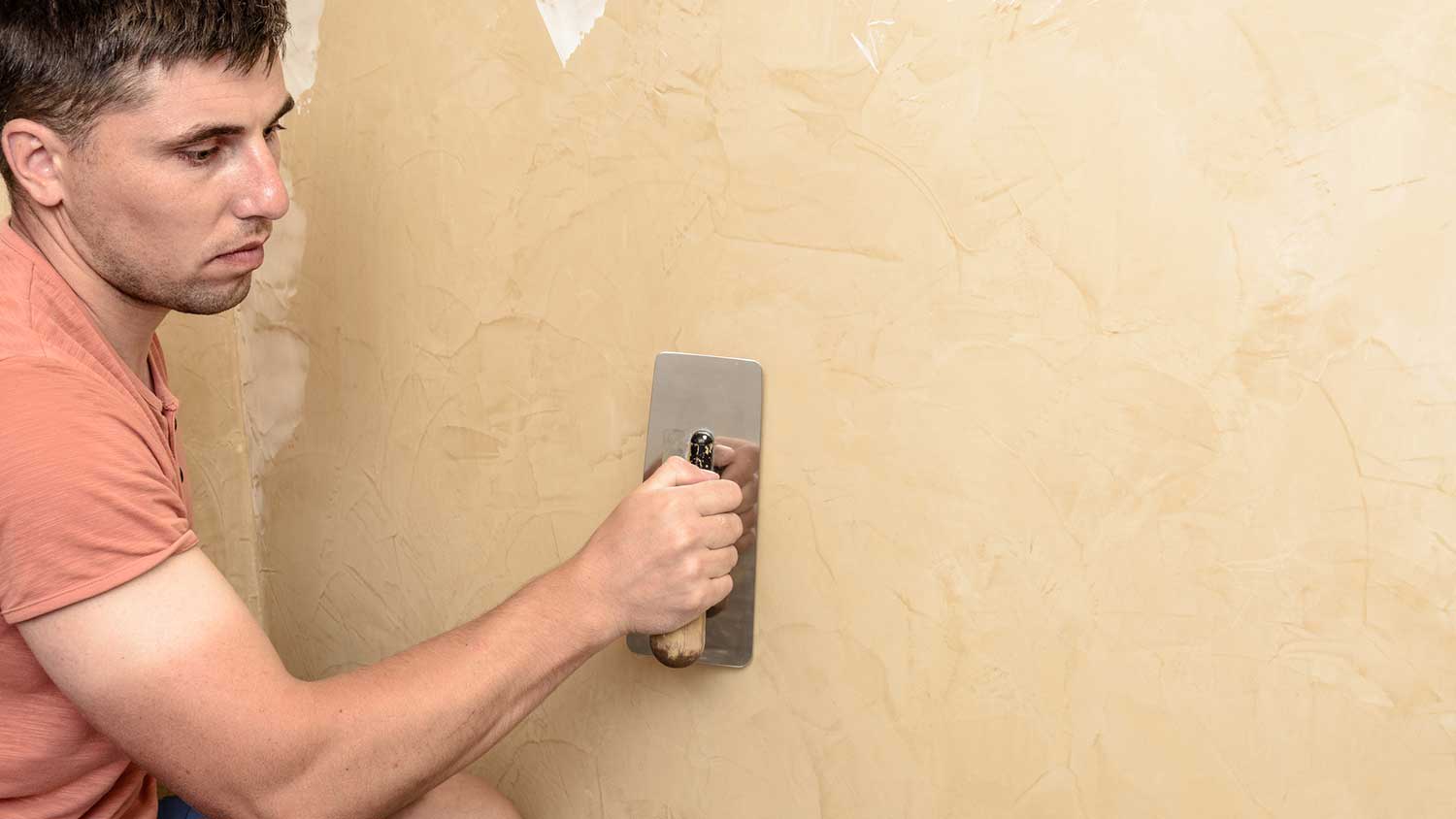
You can plaster over regular drywall, but it's essential to prepare the surface properly. Before plastering, the drywall should be clean, free of dust, and any loose or peeling paint should be removed. Applying a primer specifically designed for plastering can improve adhesion. Some professionals recommend applying a base coat of plaster or joint compound to create a better surface for the plaster to adhere to. Proper preparation ensures a smooth and durable plaster finish over regular drywall.

Popular wall textures include orange peel, knockdown, spray sand, and smooth finishes. Orange peel and knockdown are particularly common choices for drywall as they are simple and cost-effective. Orange peel texture has a lightly bumpy surface resembling the skin of an orange, while knockdown (sometimes called knockout) looks like a stucco finish with flattened high spots. In contrast, popcorn texture has fallen out of fashion, partly due to its past association with asbestos and a shift toward more restrained interior design styles.

Although they have similar applications, spackle and joint compound are not the same. Their primary differences lie in their composition, consistency, and ideal use cases.

Spackle is composed of gypsum and binding agents, making it thicker than joint compound. It dries quickly and is easy to sand, which makes it ideal for small wall repair projects like filling nail holes or patching minor damage.

Joint compound, also known as drywall mud, consists of limestone and gypsum. It is primarily used for large-scale projects, such as taping and finishing the seams on newly installed drywall. It tends to shrink more than spackle and can be more difficult to spread.

While both products can be used to fill small depressions and cracks, spackle cannot replace joint compound for taping and mudding new drywall. Conversely, you can often use joint compound for small patching jobs typically done with spackle.

The Lewes, DE homeowners’ guide to drywall services

From average costs to expert advice, get all the answers you need to get your job done.