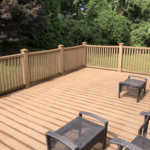
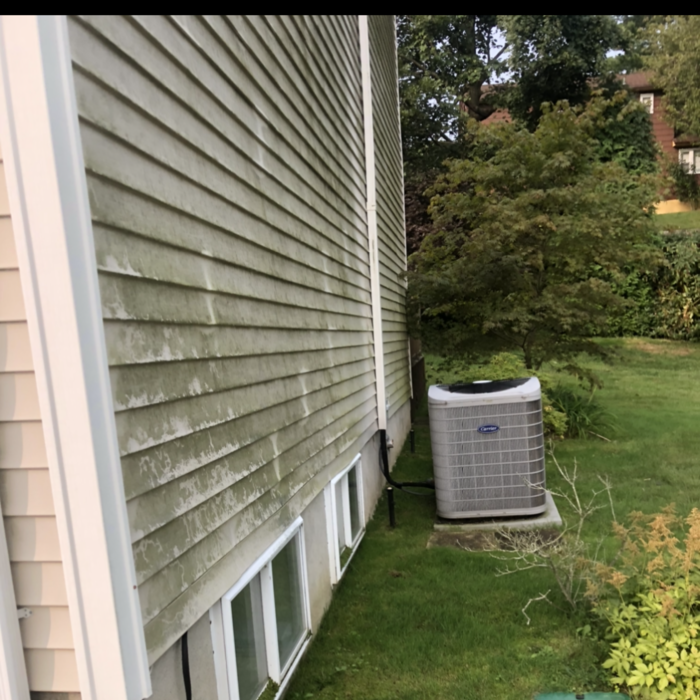
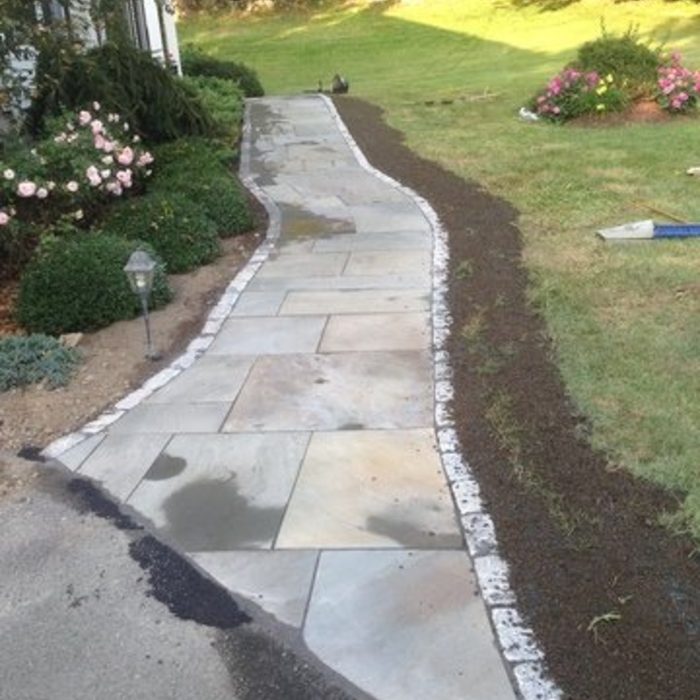
"Clei marinho kniws his business well. He listens carefully to what the customer wants and follows through. His crews are excellent. Diligent, knowledgeable , hard working. I recommend his services highly and will use them again for my interior painting and deck work."
"The work on my house was perfectly done and came out so good! They were so kind and very professional, I would definitely recommend NHV to anyone who needs painting!!"
"Leandro and his crew were a delight to work with. The 2 guys who came to my home each day to paint the exterior were polite, and respectful. They moved my deck furniture and replaced it when the job was done!! Actually, Tito arranged it better than I had it originally ð They cleaned up each day. I would highly recommend them."
Good work good people Service pro llc\nPower washing \nInterior- exterior painting \nCarpentry \nGutter cleaning zezzfdzdb\nKitchen cccccckccscscccycxccsexaxxxwxx uukopainting \nKitchen cabinets installation \nFlooring installation \nFREE ESTIMATE \n
We pride our company on reliability, great communication, integrity, and quality work. We are experts in our trade and will do our best to keep you as educated as we can on your particular task or project. We look forward to earning your business!
"Due to water damage sustained by a broken pipe, I hired them to re-sheet rock a portion of the wall in my dinning room , re-paint the dinning room and living room, re-sheet rock approximately 15ft. of wall (floor to ceiling) in my down stairs room, tear down and replace ceiling (room size approximately 16x20), paint entire room and ceiling, tear down, replace and stain the molding and wood work in the entire room.."
Applying a sealer or topcoat after staining wood is highly recommended, though not always strictly required. A sealer protects the wood from moisture, UV rays, and weather-related issues, which is especially important for outdoor surfaces like decks and fences. It also enhances the stain's durability, prevents fading over time, and gives the wood a cleaner, more professional-looking finish. For some indoor applications, a sealer may not be necessary, depending on the type of stain used and the level of protection needed. It's always best to check the stain manufacturer's recommendations and consider the wood's intended use and exposure when deciding whether to apply a sealer.
The general consensus is that two coats of stain are required and since the cedar is siding, a third coat of sealant is always a good idea. This helps protect the wood and stain, so you won’t need to resand and restain for at least a decade. Each stain after the first will darken the wood, so be aware of that when choosing a colored stain.
Ipe wood can last up to 75 years with minimal maintenance because its own oils help to preserve it. However, to get the most out of your Ipe wood deck, you should perform some routine maintenance, including regular cleaning, sweeping of leaves and debris, and rinsing spills with a hose. It’s also important to repair any deep scratches as soon as you spot them and reseal the deck annually to protect against scratches and scuffs.
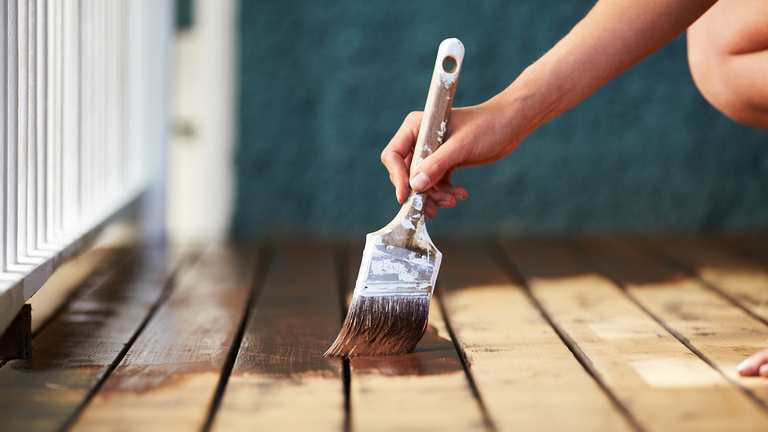
If you want to achieve a deeper, darker stain color, wait 5 to 10 minutes before wiping it off. However, wipe it off faster for a lighter tone. When wiping off the stain during this part of the process, be sure to work in the direction of the wood’s grain for best results.
Essential tools include brushes or rollers, drop cloths, sandpaper or power sanders, and appropriate cleaning supplies. Quality materials ensure long-lasting results.
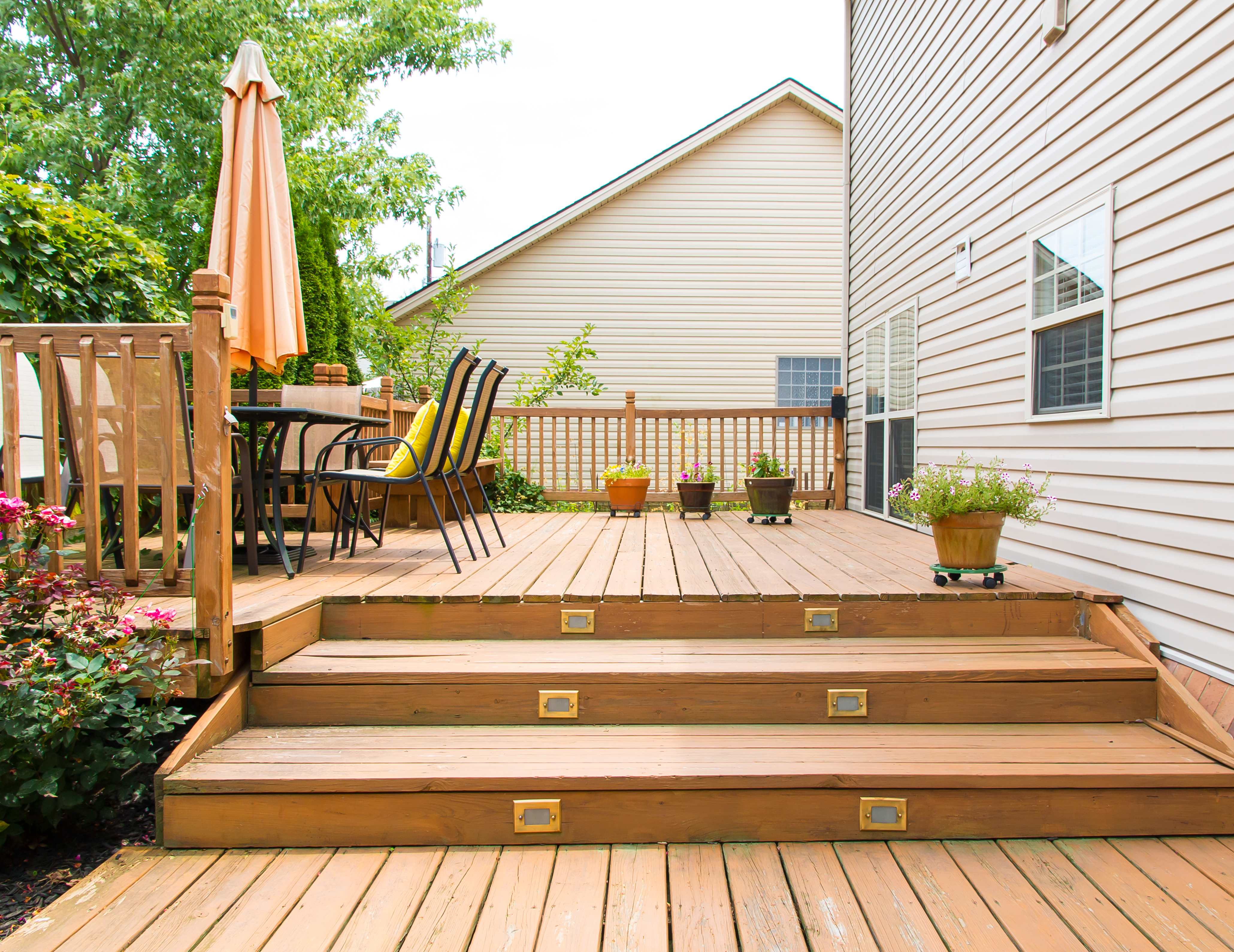
The Sandy Hook, CT homeowners’ guide to deck staining services
From average costs to expert advice, get all the answers you need to get your job done.
The best time to stain a deck is when it’s dry but not too sunny. How often you restain a deck depends on climate and wood type, but every two to three years is normal.