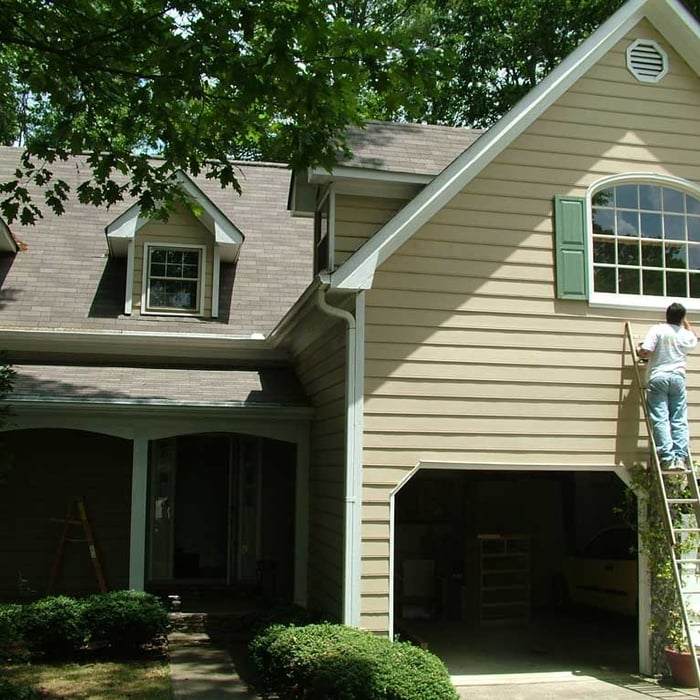
"I found this company to be both professional, and courteous. they did what they said, in a timely manner, for the price quoted. I would use them again for any painting needs."
"Nixon and his crew went far beyond expectations when repairing damage to my home and its siding. Now that the job is completed, it is impossible to imagine that there was any damage at all. The siding is in perfect condition. I c"
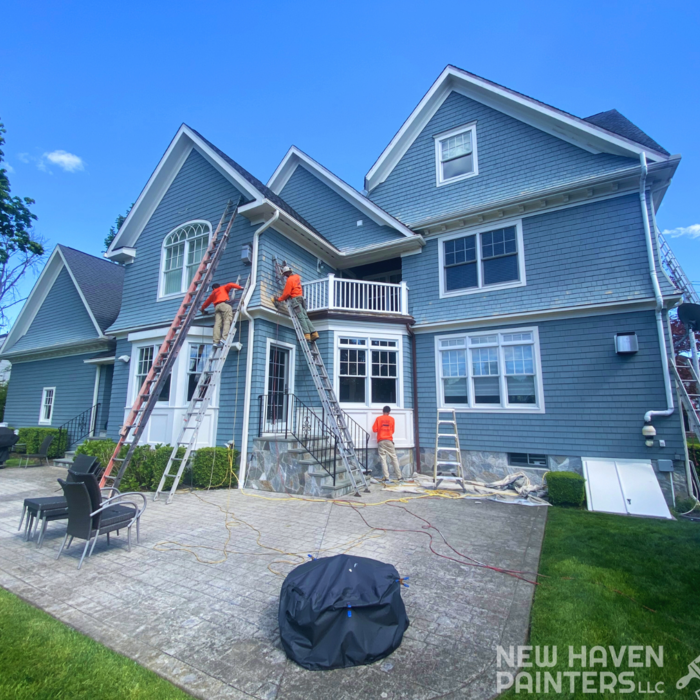
"We couldn't have been more pleased with the quality of the service and the work that was done. General Painting is a professionally run operation; we appreciated the attention to detail that was evident from the job estimate, contract and follow through on promises. Ours is an old shingled farm house that needed the wood shingle to be stained and the trim to be painted. The prep work they did was impressive and the crew was unfailingly polite and responsive to any concerns or directives. We will be using them again for interior work in the near future!!! We whole heartedly recommend them."
"Mr. Rodriguez did a job of painting a badly chipped kitchen cabinet. He advised me on the best type of primer to use to ensure it would not happen again."
Good work good people Service pro llc\nPower washing \nInterior- exterior painting \nCarpentry \nGutter cleaning zezzfdzdb\nKitchen cccccckccscscccycxccsexaxxxwxx uukopainting \nKitchen cabinets installation \nFlooring installation \nFREE ESTIMATE \n
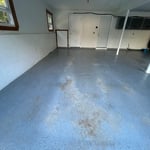
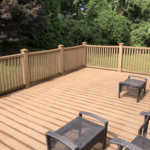
"Starting with estimator Carmine, George and the staff Stephanie were exceptional great. The Painter Paul and his crew were excellent paying full attention to small details the colors painting job were imaculate. Did very great job on my Deck and garage. Will definitely hire those boys again. Thanks"
"LCA removed and replaced over 600 sq. ft. of torch-down roll roofing, installed gutter guard screens, and replaced the floor and railings of my deck. They were professional, courteous, and hard-working. They arrived as scheduled and always left the work area clean at the end of the day. They did a great job at a reasonable price."
Yes, it's a good idea to sand the wall with fine-grit sandpaper after spackling, especially if you plan on painting. You can do this by hand or using a sander, but the idea is to ensure the spackle is flush with the wall. Sanding will give your wall a smooth, uniform finish and help your paint and wallpaper stay put.
Costs depend on coating type, labor, site preparation, and required finishes.
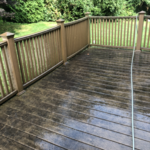
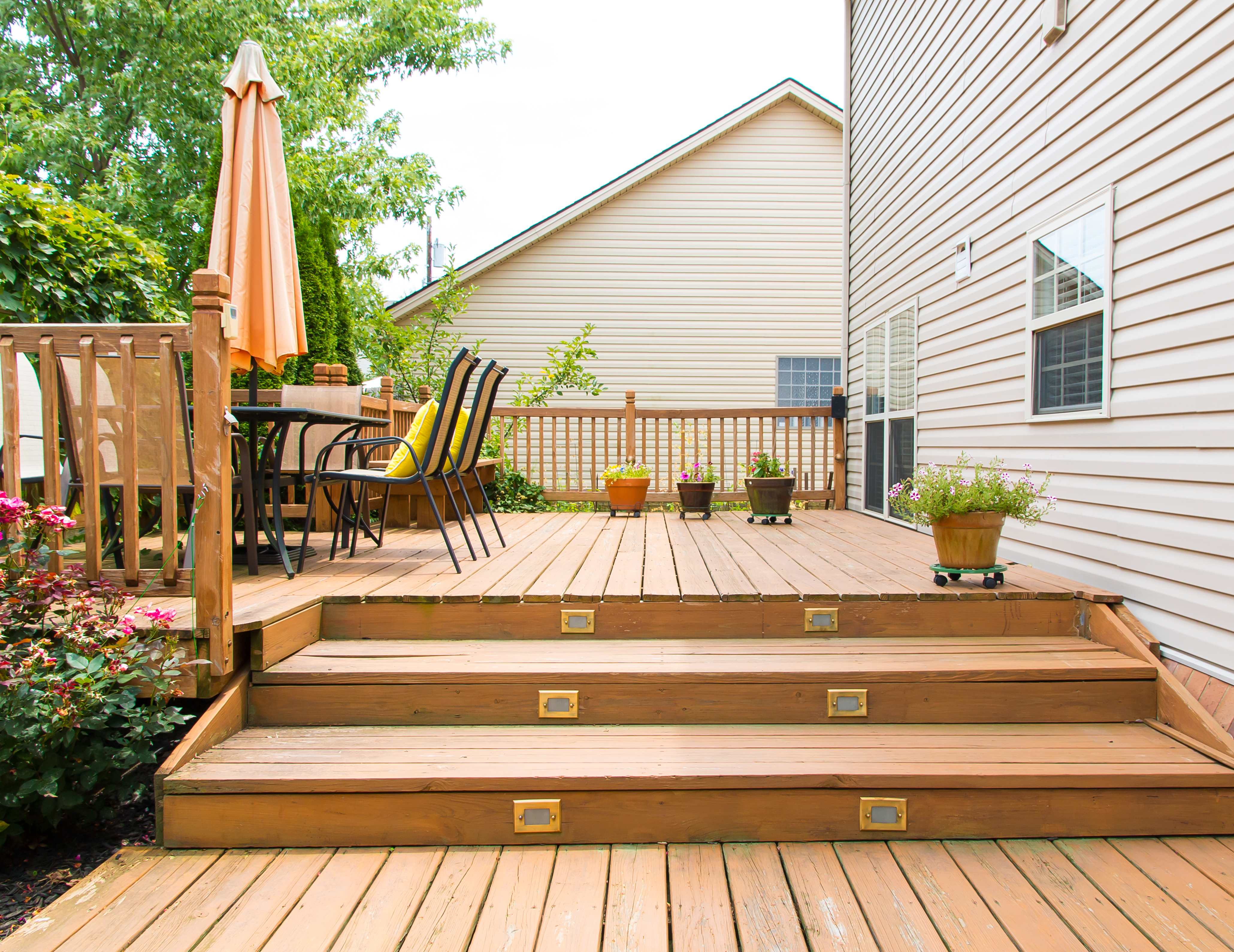
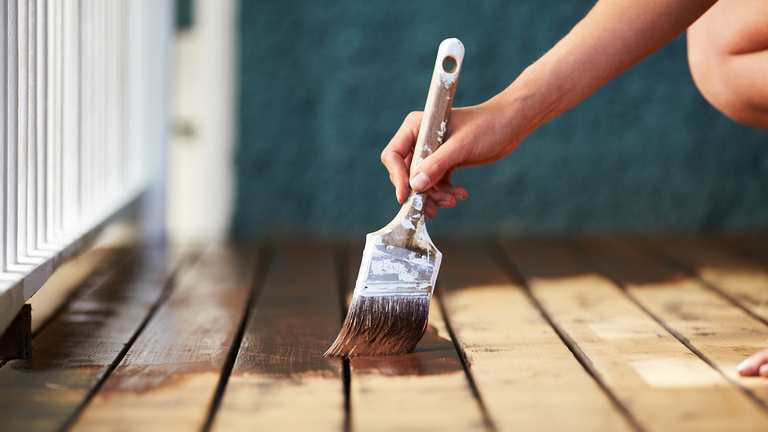
Yes, it is important to wash your deck before painting to ensure the paint applies well and adheres properly. While you don't have to use a pressure washer, it is one of the most efficient cleaning methods. Pressure washing can quickly remove dirt, wood fibers, and flaked paint, getting deeper into the wood than manual scrubbing. You can also clean the deck with a stiff broom and a cleaning solution. Regardless of the method, a clean surface is essential for good paint adhesion. Make sure the deck is completely dry before applying any paint.
No, it is not okay to paint over rotted wood. Painting over rotted wood will not address the underlying issue and can trap moisture, leading to further decay. Properly addressing the rotted wood by removing and replacing or repairing the damaged areas is necessary before you can even consider painting.
Painted decks typically require a new coat about once every ten years. In between new coats, it's best to maintain your deck by regularly removing debris, washing it down with non-abrasive cleaners, and staying ahead of structural issues, such as loose boards and rotting wood. In some cases, painting a small section of your deck affected by damage or the sun can lower your costs and workload.
The Bethel, CT homeowners’ guide to deck staining services
From average costs to expert advice, get all the answers you need to get your job done.
The best time to stain a deck is when it’s dry but not too sunny. How often you restain a deck depends on climate and wood type, but every two to three years is normal.