



Top-rated electricians.

Best electricians near North Stonington, CT

Enter your zip and get matched with up to 5 pros

Need a pro for your electrical service project in North Stonington, CT?

Select your specific project to find the pro for you.

TRUSTED BY NORTH STONINGTON, CT HOMEOWNERS

  • Average homeowner rating star icon4.5
    Average homeowner rating
  • Verified reviews icon135
    Verified electrical services reviews

Top-Rated Electricians in North Stonington - Updated Nov 2026

Avatar for Klein Electric LLC
Klein Electric LLC
4.9(
23
)
Electrical Wiring or Panel UpgradeCeiling Fan - InstallCeiling Fan - Repair+6 more

Serving North Stonington, CT and surrounding areas

Approved

In business since 2024

Free estimates

Emergency services offered

"Klein Electric LLC is one of our favorite contractors to work with. Jeremy is responsive and easy to schedule work with. We have had Jeremy on multiple projects and he has been great each time. He works at a fast pace and his trouble shooting is excellent. Jeremy is our first call when we have an electrical problem."
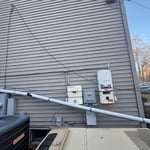
Before
After
Response time3 days
2 neighbors recently requested a quote
Recommended by29%of homeowners

Avatar for JL Electric LLC
JL Electric LLC
5.0(
7
)
Electric Vehicle Charging Station Installation - Materials Not ProvidedElectric Vehicle Charging Station Installation - Materials Provided by ConsumerElectrical Switches, Outlets & Fixtures - Install or Repair+2 more

Serving North Stonington, CT and surrounding areas

Approved

In business since 2008

Free estimates

Emergency services offered

"He's been the best electrician I've ever dealt with. I was extremely impressed and shocked. not only did he do a phenomenal job, but it's immaculate. There is not a little bit of wire sitting standing anywhere. He cleaned up, he was lovely, he didn't talk much, but you know, he was very busy all day because our entire electrical panel had been blown out from that storm. This is the 1st time since July 4 that we have not been sitting in our house with the lights flashing on and off."
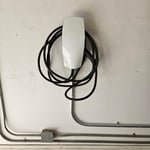
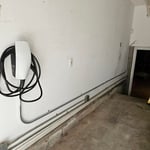
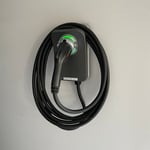
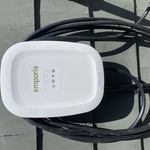
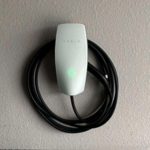
Tesla Charger Install
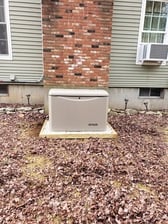
Generator Transfer
Generator Transfer
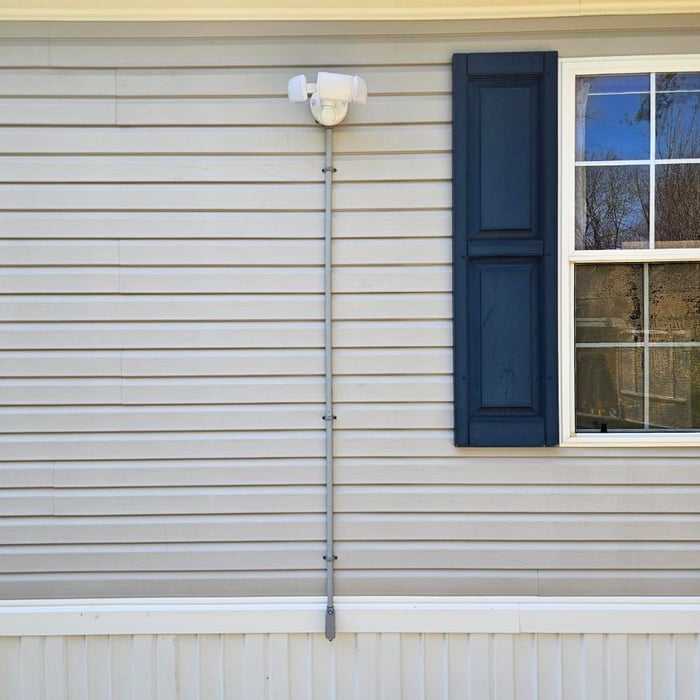
Outside lights

+2

Avatar for W B Lightning Rods
W B Lightning Rods
4.6(
372
)
Lightning Protection - Install or Repair

Serving North Stonington, CT and surrounding areas

Approved

In business since 2001

Free estimates

Warranties offered

"William and staff responded promptly to my request for service with reasonable pricing. They arrived at the house at the agreed upon time, were respectful of my property, explained the process and completed the work within the specified time frame. They were pleasant, easy to work with and installed a quality lightning rods system. I highly recommend them."
lightning protection
 Residential LPS
lightning protection
 Residential LPS
lightning protection

+79

Response time1 day
107 neighbors recently requested a quote
Recommended by96%of homeowners
...
Showing 1-10 of 121
Electrical FAQs, answered by experts

GFCI outlets should be clearly labeled with LINE and LOAD labels, with arrows leading to the proper terminals. The line terminals are typically at the top, and the load terminals are typically at the bottom.

Yes, dehumidifiers use a lot of electricity. However, proper humidity also means your home’s temperature remains more stable, thus lowering heating and air conditioning bills. The good news is you shouldn’t need to use a dehumidifier more than a few months per year, so the energy costs won’t be as noticeable as other larger appliances.

Yes, one wire is always hot on the 3-way switch, meaning it carries the electricity from the power source to the switch. If you have a 3-wire cable in your home, you have two hot wires, or line wires, coming from the power source. Typically, you’d connect the hot black wire from the power source to the traveler wire and the hot red wire from the power source to the first 3-way switch. For the second 3-way switch, you’d then connect the hot black traveler wire to the switch.

No, you should never plug a generator directly into a wall outlet in your house. This practice is extremely dangerous, often illegal, and can cause "back-feeding," where power from the generator flows back into utility lines, creating a life-threatening hazard for utility workers. It can also damage your home's electrical system, including appliances like pumps and HVAC fans. If the main power is restored while the generator is connected, it can destroy the generator and cause an electrical fire. To safely connect a generator, you must use a professionally installed transfer switch or an interlocking kit, which prevents back-feeding by disconnecting your home from the utility grid before the generator provides power.

Most standard residential water heaters, which are typically around 40 gallons and use 240 volts and between 3,500 and 5,500 watts, require a 30-amp, two-pole circuit breaker. For smaller, point-of-use water heaters using 120 volts and between 1,500 and 3,000 watts, a 30-amp breaker is also often adequate. However, some models may have different needs; units that use more watts than average may require a 40-amp breaker, while smaller units might only need a 20-amp breaker. Newer, tankless, or more energy-efficient models can also require a higher amperage. Having the correct breaker size is crucial for safe and efficient operation, so it's best to consult a licensed electrician to determine the specific needs of your water heater.


The North Stonington, CT homeowners’ guide to electrical services

From average costs to expert advice, get all the answers you need to get your job done.