






Top-rated electricians.

Get matched with top electricians in Montville, CT

Enter your zip and get matched with up to 5 pros

Need a pro for your electrical service project in Montville, CT?

Select your specific project to find the pro for you.

TRUSTED BY MONTVILLE, CT HOMEOWNERS

  • Average homeowner rating star icon4.7
    Average homeowner rating
  • Verified reviews icon405
    Verified electrical services reviews

Find Electricians in Montville

Avatar for Vega Electric LLC
Vega Electric LLC
4.5(
16
)
Electrical Wiring or Panel UpgradeElectrical Switches, Outlets & Fixtures - Install or RepairElectrical Switches, Outlets & Fixtures - Install or Repair - For Business

Serving Montville, CT and surrounding areas

Approved

In business since 2018

Emergency services offered

Warranties offered

"This is a wonderful company. Very friendly, knowledgeable, great pricing and quick response. Very respectful to you and your home. They go above and beyond to please the customer. I was very happy with their performance. I would definitely recommend Vega Electric LLC!!"
Service upgrade
Service upgrade
Bathroom exhaust Fan
Light replacement
Light replacement

+2

8 neighbors recently requested a quote
Recommended by35%of homeowners

Deary Electric & Renovations
4.7(
33
)
Electrical Switches, Outlets & Fixtures - Install or RepairElectrical Wiring or Panel UpgradeFixed Generator - Install+2 more

Serving Montville, CT and surrounding areas

Approved

In business since 2001

Emergency services offered

Credit card accepted

"We use Deary electric for our electrical needs at the school district. There have been a variety of jobs that Deary electric has done and they have been all excellent. They are helpful, friendly and knowledgeable."
Additional Photos
Response time5 days
Response rate100%
6 neighbors recently requested a quote
Avatar for JL Electric LLC
JL Electric LLC
5.0(
6
)
Electric Vehicle Charging Station Installation - Materials Not ProvidedElectric Vehicle Charging Station Installation - Materials Provided by ConsumerElectrical Switches, Outlets & Fixtures - Install or Repair+2 more

Serving Montville, CT and surrounding areas

Approved

In business since 2008

Free estimates

Emergency services offered

"He's been the best electrician I've ever dealt with. I was extremely impressed and shocked. not only did he do a phenomenal job, but it's immaculate. There is not a little bit of wire sitting standing anywhere. He cleaned up, he was lovely, he didn't talk much, but you know, he was very busy all day because our entire electrical panel had been blown out from that storm. This is the 1st time since July 4 that we have not been sitting in our house with the lights flashing on and off."
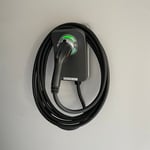
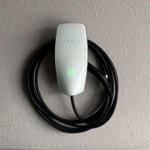
Tesla Charger Install
Generator Transfer
Generator Transfer
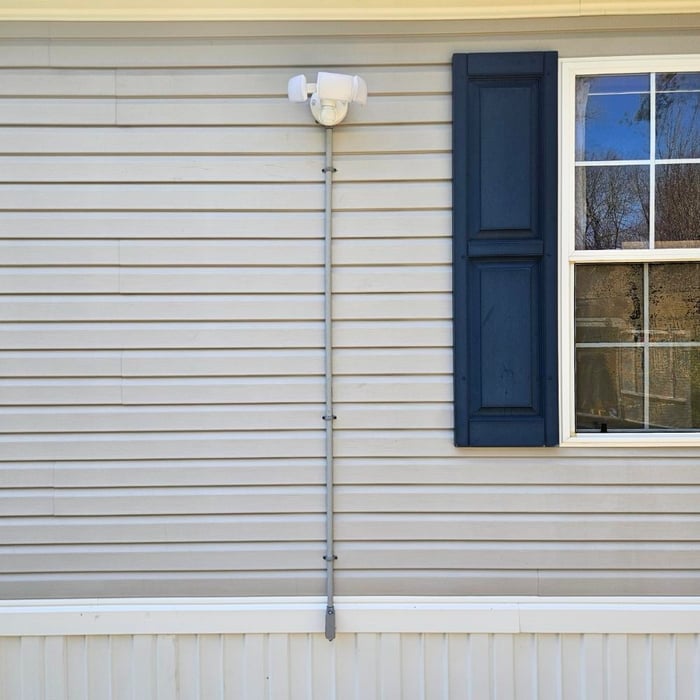
Outside lights

+2

Avatar for W B Lightning Rods
W B Lightning Rods
4.6(
372
)
Lightning Protection - Install or Repair

Serving Montville, CT and surrounding areas

Approved

In business since 2001

Free estimates

Warranties offered

"William and staff responded promptly to my request for service with reasonable pricing. They arrived at the house at the agreed upon time, were respectful of my property, explained the process and completed the work within the specified time frame. They were pleasant, easy to work with and installed a quality lightning rods system. I highly recommend them."
lightning protection
 Residential LPS
lightning protection
 Residential LPS
lightning protection

+79

Response time1 day
165 neighbors recently requested a quote
Recommended by96%of homeowners
...
Showing 1-10 of 132
Electrical questions, answered by experts

No, it doesn’t matter which of the two wires goes on each of the two switch terminals. Just be sure to put the ground wire in the correct terminal. The ground wire is either green, bare copper, or green with a yellow stripe. The other wires are hot wires and are typically black. They can be used interchangeably.

While circuit breakers are designed to be reset after tripping, there isn't a strict countdown to when they will fail. The primary danger lies in a breaker tripping multiple times in a short period without allowing the components to cool down. Theoretically, a standard breaker might handle around 50 trips caused by simple overloading. However, this number can be much lower in practice. For instance, a high-current fault could damage a breaker to the point that it needs replacement after only two resets. Repeatedly resetting a breaker that trips frequently exacerbates the underlying problem by causing the electrical components, wires, and the breaker itself to overheat. This can lead to permanent damage, cause the breaker to trip unnecessarily in the future, and increase the risk of an electrical fire. If a breaker trips every few minutes, you should leave it in the 'off' position and call a qualified electrician for an inspection.

If the electrical wires you’re working with are too short, one of the easiest ways to elongate it is to extend them with a push-in connector. These user-friendly tools help you splice two wires together with little fuss or the need for extra tools, like a crimping tool, which is an older way of extending wires. As long as you can stripe the ends of a wire, using a push-in connector shouldn’t be an issue.

Yes, most electric and automatic gates can be opened manually. They are equipped with a manual override or release mechanism that detaches the motor from the gate, allowing it to be moved by hand. This feature is essential during power outages or other emergencies.

To activate the manual override, you will typically need a specific key or tool. In some cases, you may also need a screwdriver to remove a cover to access the release mechanism. The use of a key is a common security measure to prevent unauthorized individuals from manually opening the gate.

Because every model is different, it is highly recommended to consult your gate's user manual to familiarize yourself with the specific procedure before you need to use it. Keep any necessary keys or tools in an accessible location. Be aware that automatic gates can be very heavy, so opening and closing them manually may be difficult.

In North America, electric gates are also subject to the UL 325 Standard for Safety, which includes provisions to allow emergency responders to access the property.


Dehumidifiers typically use 300 to 700 watts of electricity per hour, whereas portable dehumidifiers use about 40 watts per hour. The exact amount of electricity your dehumidifier will generate depends on its capacity and energy efficiency. Generally, higher-capacity dehumidifiers generate more electricity than lower-capacity units, but they also usually have better energy efficiency over the long run.

The Montville, CT homeowners’ guide to electrical services

From average costs to expert advice, get all the answers you need to get your job done.