






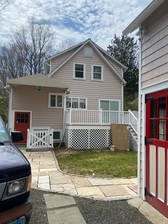
Top-rated deck staining pros.

Get matched with top deck staining pros in East Haven, CT

Enter your zip and get matched with up to 5 pros

Need a pro for your deck staining project in East Haven, CT?

Select your specific project to find the pro for you.

TRUSTED BY EAST HAVEN, CT HOMEOWNERS

  • Average homeowner rating star icon4.4
    Average homeowner rating
  • Verified reviews icon32
    Verified deck staining services reviews

Find Deck staining pros in East Haven

...
Showing 1-10 of 245
Deck Staining questions, answered by experts

Wood stain is not flammable after it dries. The solvent in wood stain is what causes the liquid form to be highly flammable, but the stain drying process involves the solvents dissolving, which leaves behind a non-flammable product on your wood project. Wood stain is, however, flammable before you apply it, so you should always store partially full cans and used wood stain rags away from sources of heat and open flames.

Always sand a deck before repainting so the wood is smooth and ready for paint. While you do not need to fully remove paint before repainting, sanding helps remove any areas with weather and sun damage. Sanding also helps remove chipped or flaking paint and opens the wood pores to improve paint adhesion.

The best temperature to paint a pool deck is between 50 and 90 degrees Fahrenheit, because many paints and sealers require temperatures warm enough for the chemical reaction to take place for proper curing. The paint should not be allowed to freeze, and temperatures above 90 degrees can cause the paint to dry too quickly, also preventing the chemical reaction from following through to completion.

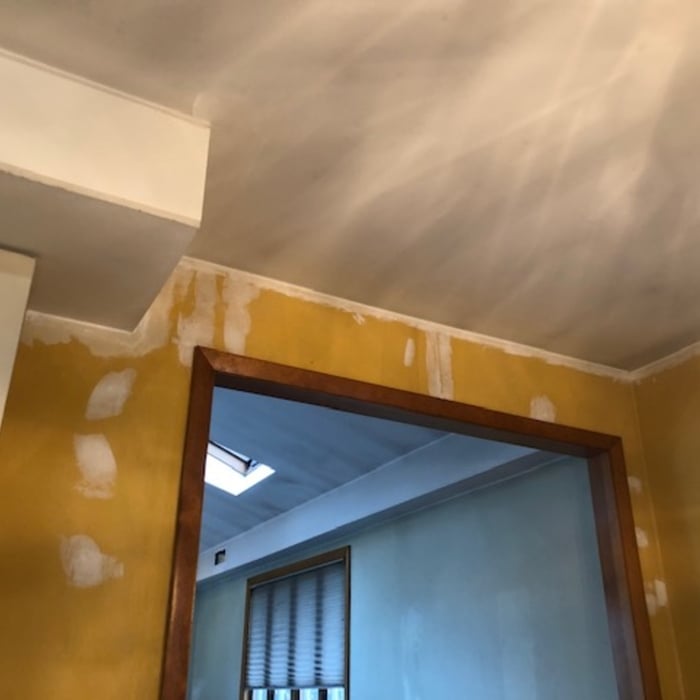
Yes, it's a good idea to sand the wall with fine-grit sandpaper after spackling, especially if you plan on painting. You can do this by hand or using a sander, but the idea is to ensure the spackle is flush with the wall. Sanding will give your wall a smooth, uniform finish and help your paint and wallpaper stay put.

There’s no single paint that’s the most waterproof. Instead, there are several types of waterproof and water-resistant paints that suit different purposes. Epoxy paint, for instance, is commonly used to provide a waterproof coating to floors and decks. Masonry paint is an excellent choice for exterior walls. Meanwhile, there are waterproof acrylic paints that can be used for interior and exterior walls. It’s more about choosing the best type for what you’re painting instead of the most waterproof paint overall.

The East Haven, CT homeowners’ guide to deck staining services

From average costs to expert advice, get all the answers you need to get your job done.