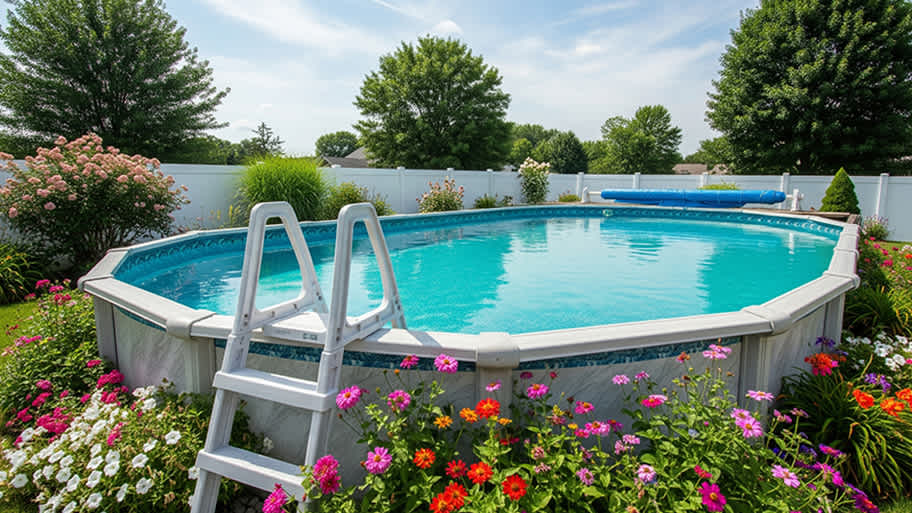









Top-rated above ground pool installation pros.

Get matched with top above ground pool installation pros in Chaplin, CT

Enter your zip and get matched with up to 5 pros

Need a pro for your above ground pool installation project in Chaplin, CT?

Select your specific project to find the pro for you.

Find Above ground pool installation pros in Chaplin

Avatar for American Home Shield – Home Warranty
American Home Shield – Home Warranty
3.5(
5,688
)

Serving Chaplin, CT and surrounding areas

In business since 1971

Credit card accepted

"One oven doesn't work at all ( my choice, see above), the "working" oven was never calibrated properly so using it is hit or miss. It's time to call American Home Shield to see about replacing the entire unit. I'm waiting to finish other home projects before calling them. I don't know if I'll request Greenway again."
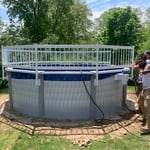
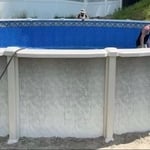
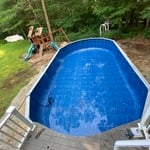
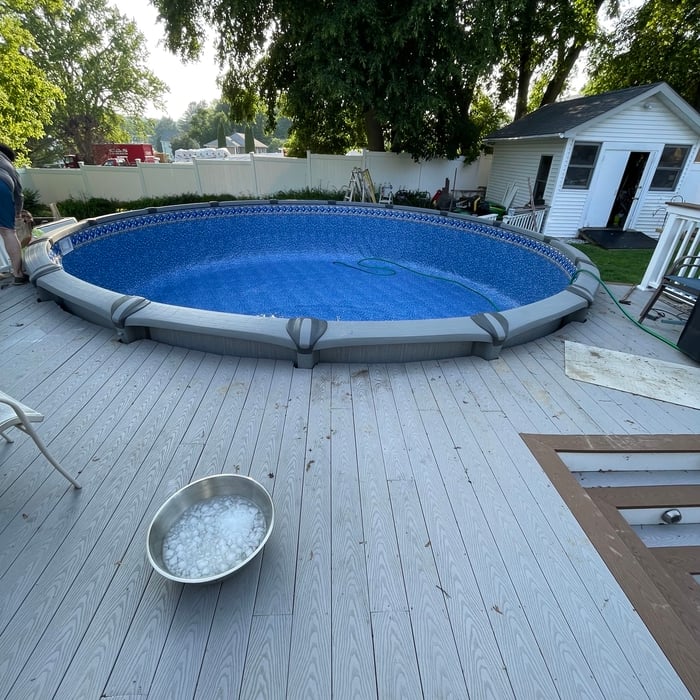
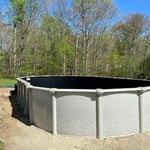
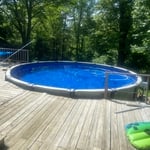
Additional Photos
Additional Photos
Additional Photos
Additional Photos
Additional Photos

+2

Recommended by65%of homeowners
Install Above Ground Pools questions, answered by experts

Unless you have an alternative to chlorine in your pool to prevent bacteria and viruses from taking up residence in your water, it’s not safe to swim in a pool without enough chlorine. According to the Centers for Disease Control and Prevention (CDC), swimming in a pool with insufficient chlorine could lead to skin and eye irritation, ear issues, respiratory distress, such as coughing and congestion, and various other health issues. Always make sure your chlorine levels are healthy and stable before swimming for proper pool safety.

Yes, pool pumps use a significant amount of electricity, making them one of the biggest energy consumers in a home. A pool pump can use up to three times as much electricity as a refrigerator. Typically, a residential pool pump consumes about 1 kilowatt-hour (kWh) for every hour it runs. Because pumps often need to run for about eight hours a day to properly filter the water, this can add up to an annual consumption of 3,000 to 5,000 kWh, which can cost between $480 and $800 per year based on average electricity rates.

The amount of electricity your pump uses depends on its size, energy efficiency, and daily run time. To lower your energy consumption, you can choose an energy-efficient or variable-speed pump, ensure it is correctly sized for your pool, and run it only for the minimum time required to keep the water clean.

A well-built and well-maintained concrete pool should last anywhere from 50 to 75 years. Concrete is prone to cracking, so winterization and regular pool repairs are particularly important. Water can seep into existing cracks, freeze, and make them worse. Most homeowners should resurface their concrete every few years to maintain their pool’s lifespan. 

The average pool size in gallons is 15,360. This number is for a 16’ x 32’ pool with a four-foot depth. However, many pools have different depths at each end or irregular sizes, so you may need to use the formulas above to calculate exactly how many gallons of water you need.

A few factors influence the time it takes for a pool to heat up, including the size of your pool, the temperature outside, and how much direct sunlight is hitting the water in the pool. With these factors in mind, it takes 12 to 72 hours to raise the temperature in a pool by 20 degrees Fahrenheit.

While you can run a pool heater all day, it is advised only to run it during the day, as it is more energy efficient. At night, it is better to purchase a solar pool cover to retain the heat within the pool.

The Chaplin, CT homeowners’ guide to above ground pool installation services

From average costs to expert advice, get all the answers you need to get your job done.