


Top-rated fire pit installation pros.

Best fire pit installation pros near Wellington, CO

Enter your zip and get matched with up to 5 pros

Need a pro for your fire pit installation project in Wellington, CO?

Select your specific project to find the pro for you.

TRUSTED BY WELLINGTON, CO HOMEOWNERS

  • Average homeowner rating star icon4.4
    Average homeowner rating
  • Verified reviews icon194
    Verified fire pit installation services reviews

Top-Rated Fire pit installation pros in Wellington - Updated Nov 2026

Avatar for Drew Crew
Drew Crew
5.0(
18
)
Handyman for Multiple Small Projects

Serving Wellington, CO and surrounding areas

Approved

Super Service Award Winner

In business since 2025

Free estimates

Emergency services offered

"We were very happy with the services and price from Drew. He was a strong communicator and showed up when he said he was going to and did exactly what he said he was going to do. We would work with him again on future projects"
Response time8 hrs
Response rate95%
4 neighbors recently requested a quote

...
Showing 1-10 of 120
Fire Pit Installation FAQs, answered by experts

Yes, a faulty or broken light switch can be a serious fire hazard. Malfunctioning switches often result from loose wiring, exposed connections, or other electrical problems that can cause overheating or sparking. Warning signs include crackling, popping, or hissing sounds when you flip the switch, which indicates live electricity that could ignite nearby flammable materials. If you suspect your light switch is faulty, immediately turn off the power at the circuit breaker and contact a qualified electrician to remedy the issue.

While your forced heating system runs, it can pick up dirt, dust, hair, and other particles from inside your house. Changing your furnace filters regularly is key to preventing this debris from getting stuck in your ducts and swirling around your home. With some types of furnaces, there’s also the potential for carbon monoxide leaks. However, staying up-to-date with your HVAC inspections and installing carbon monoxide sensors can help mitigate this risk.

You should have either an ABC or K-rated fire extinguisher in the kitchen. ABC fire extinguishers put out wood, trash, paper, plastic, and textile fires along with grease, oil, gas, kerosene, and electrical fires. A class K fire extinguisher is specifically rated for use in the kitchen and is designed to extinguish combustible cooking materials, including grease and fat. 

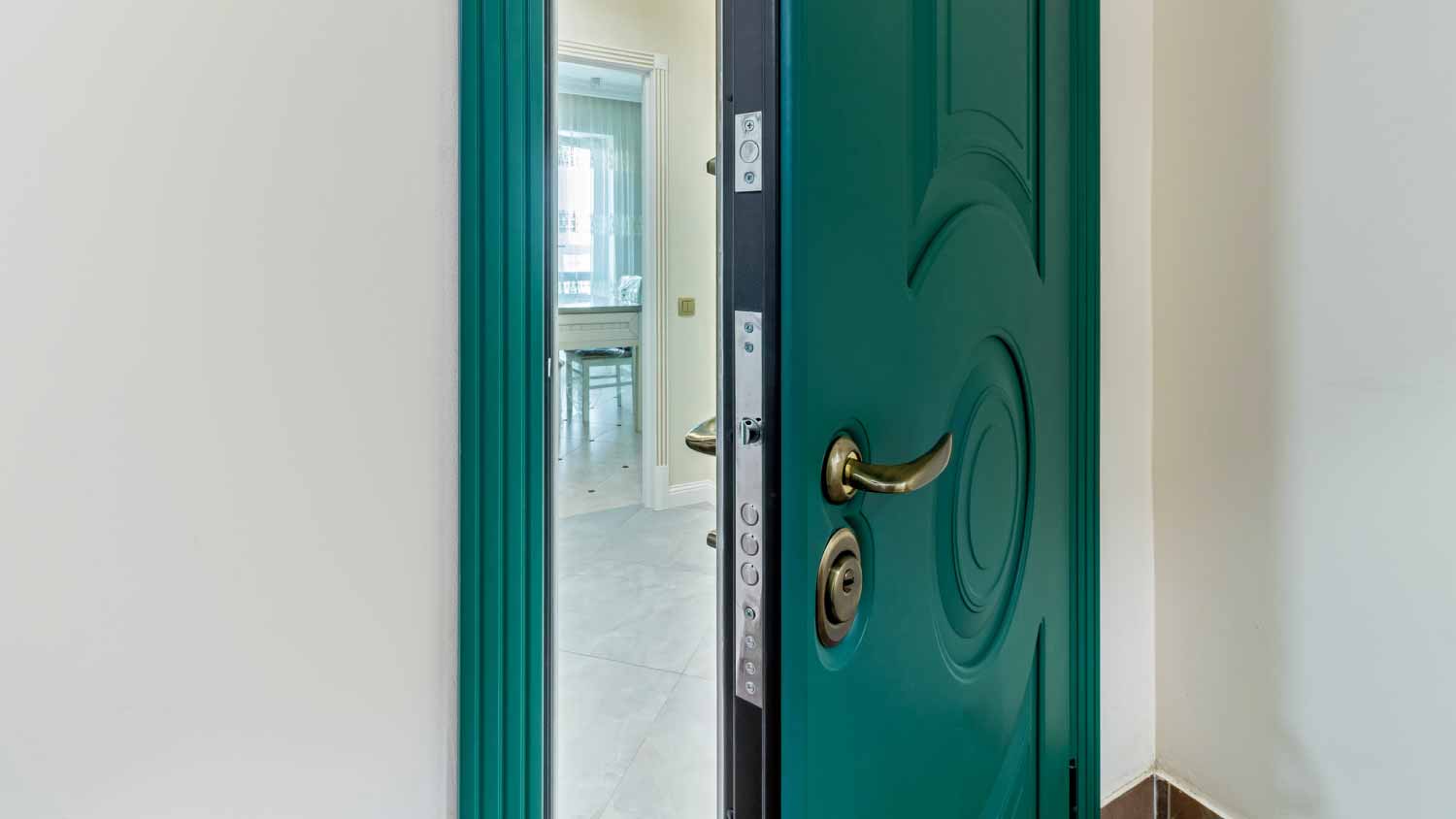
There aren’t many problems with fire doors except that they slow down or cut off ventilation at the higher rating levels. For this reason, work with a professional to ensure you have adequate ventilation throughout your house or workspace. The sealing around a fire door is meant to allow for a specific amount of ventilation and will need regular inspections to ensure adequate airflow.

Ensure proper ventilation, fix leaks, and schedule regular pest inspections to protect your property.

The Wellington, CO homeowners’ guide to fire pit installation services

From average costs to expert advice, get all the answers you need to get your job done.